
Last updated November 15, 2026
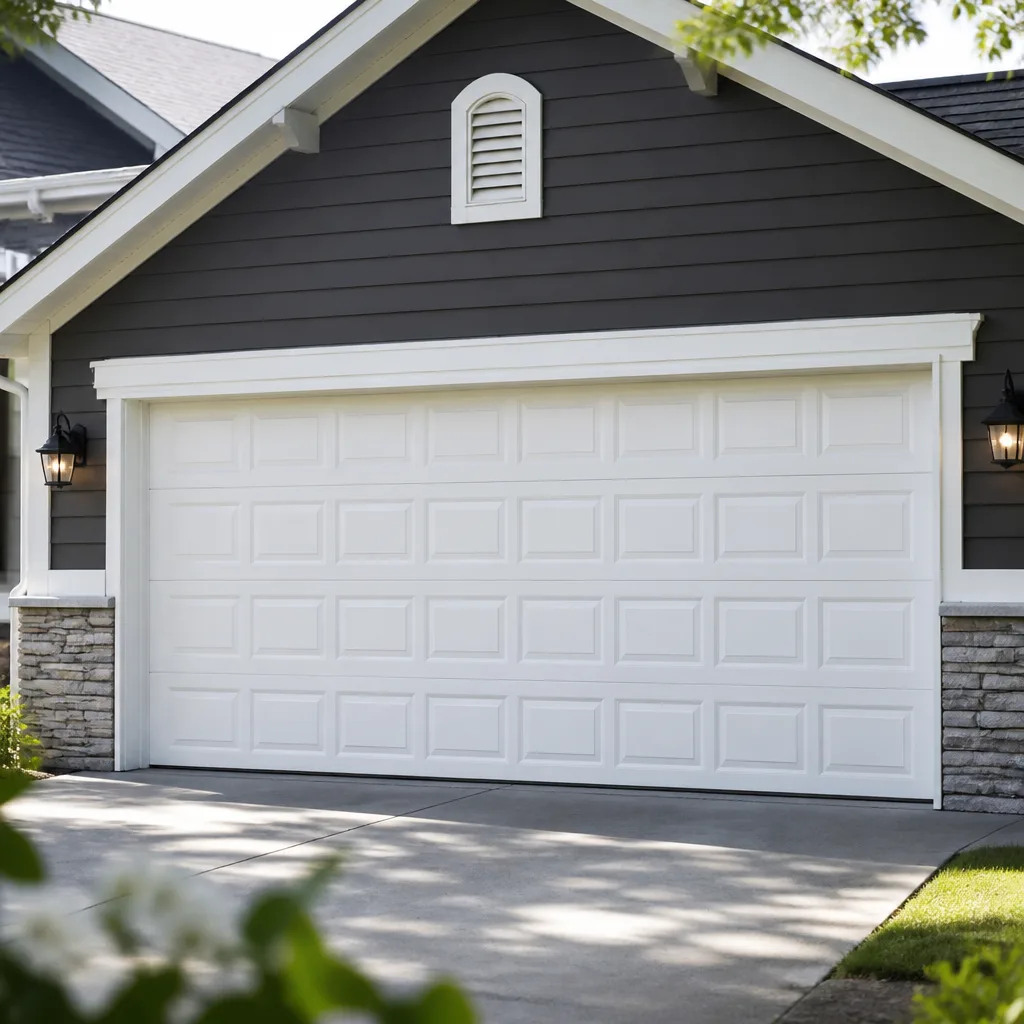 Raised-panel steel
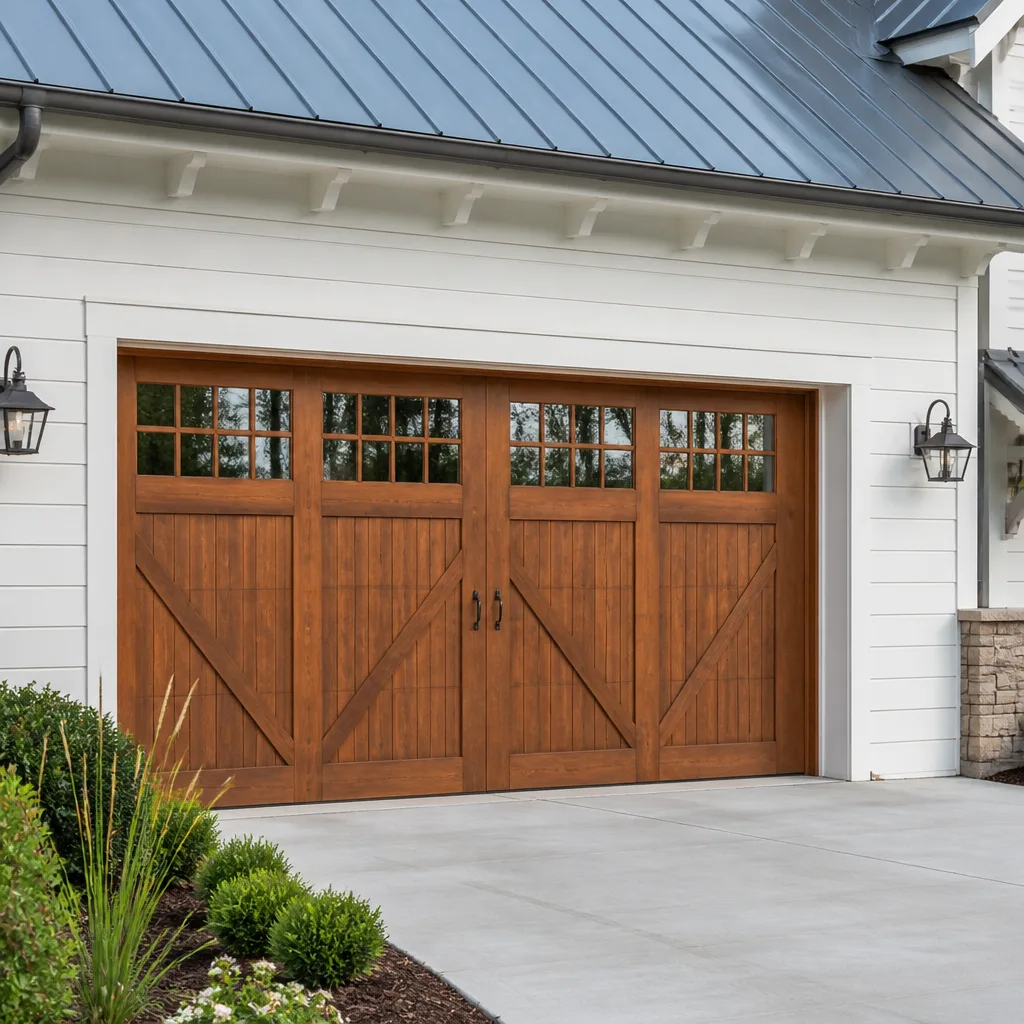 Carriage house
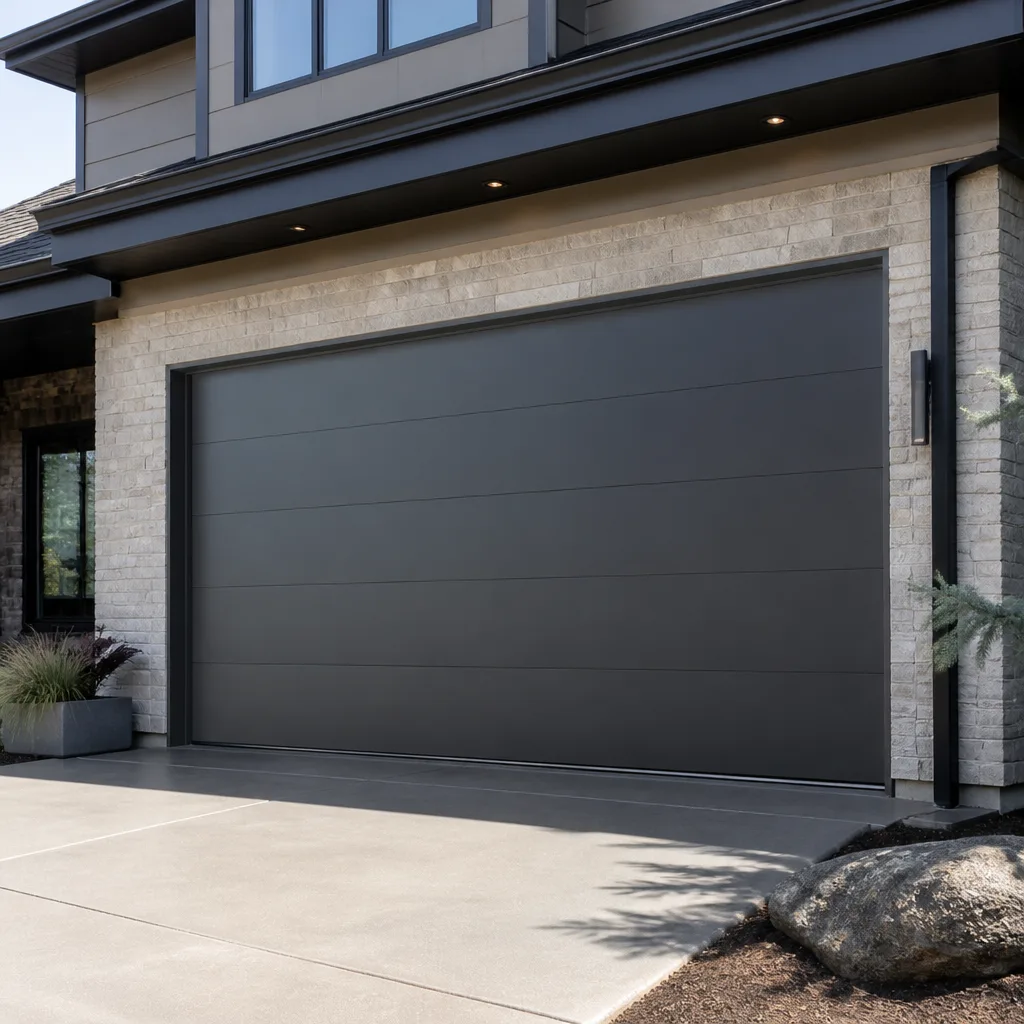 Modern flush
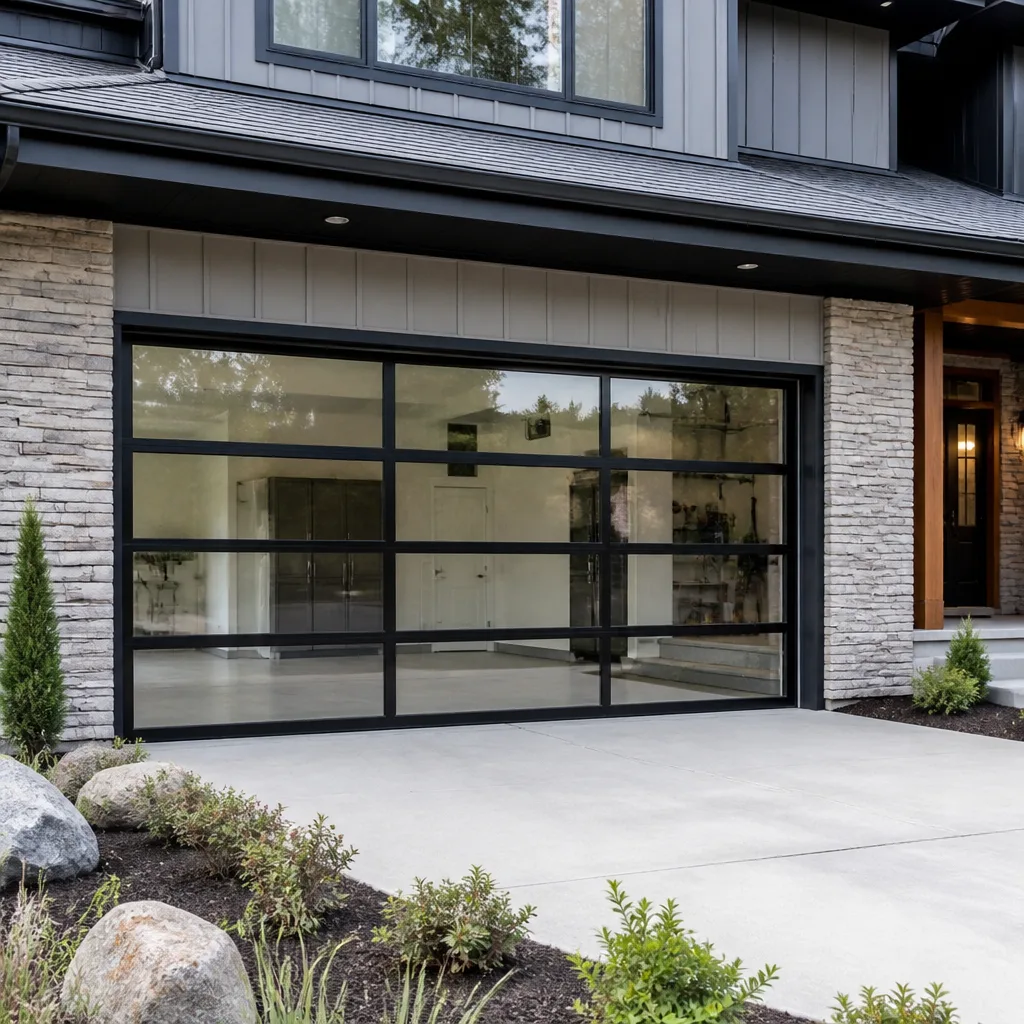 Full-view glass
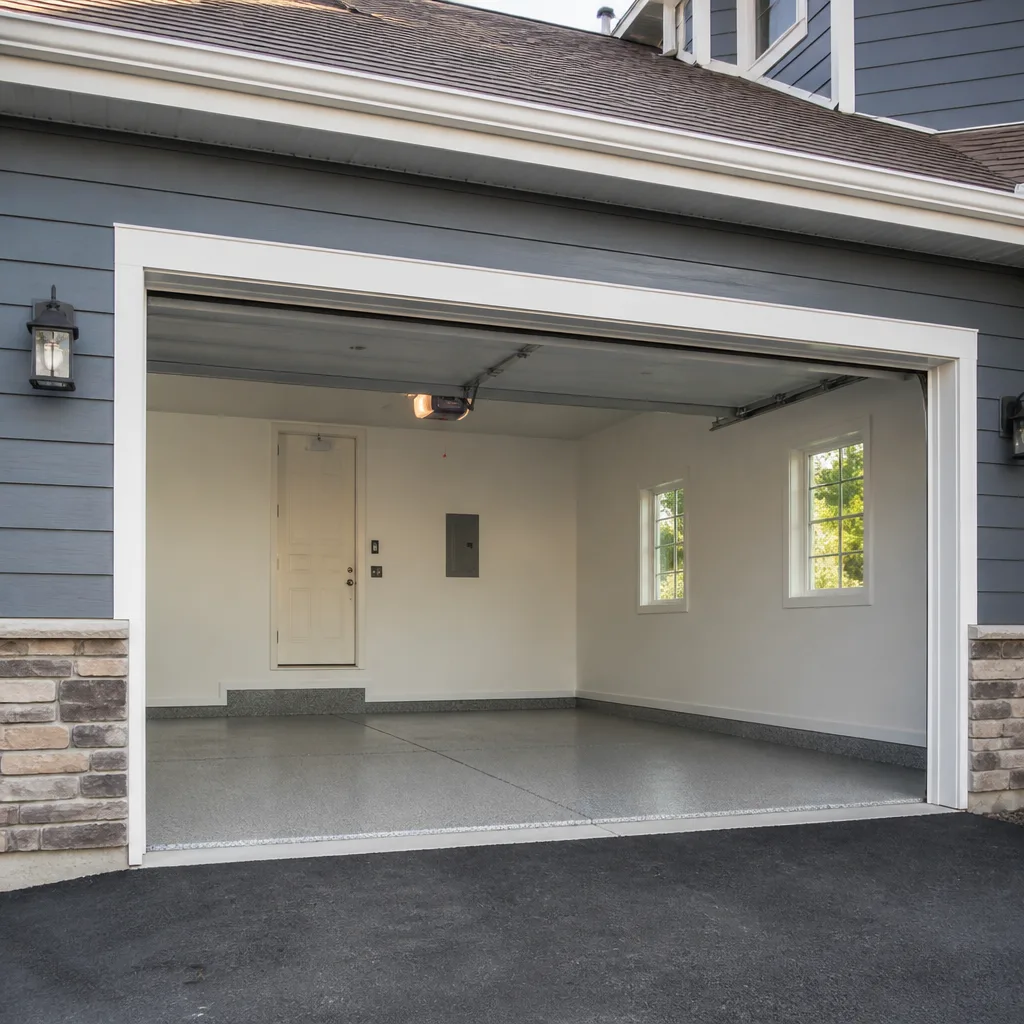 LiftMaster openers
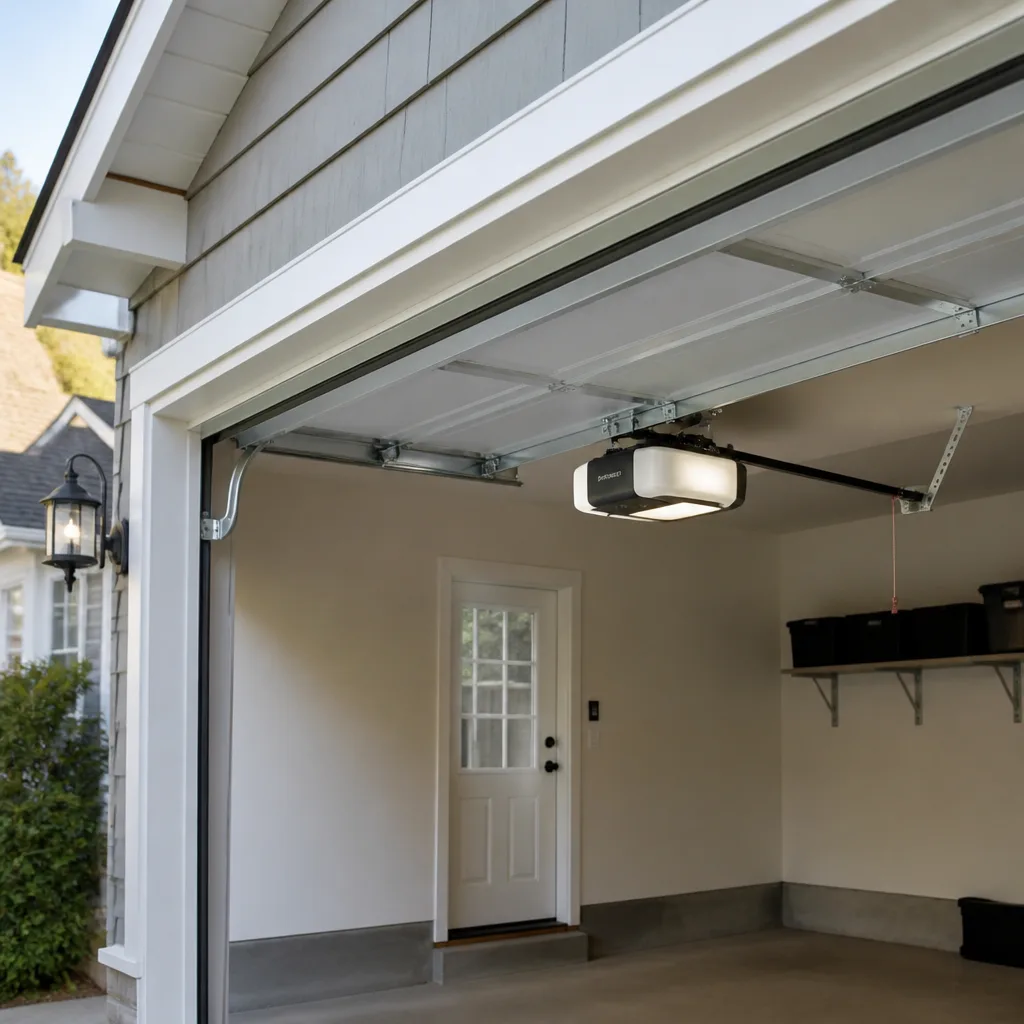 Chamberlain openers
Full 25-point door and opener safety check with every visit - springs, cables, rollers, tracks, and your LiftMaster or Chamberlain opener included
You get a price before we start. It does not change when the pro arrives.
Get your free estimateHow to Hire a Garage Door Contractor in Cambridge: A Step-by-Step Guide
Most homeowners hire a garage door contractor by collecting three quotes and picking the middle number. That’s the wrong test. In our experience, the callbacks we resolve most often aren’t caused by cheap parts. They’re caused by a contractor who quoted a standard extension spring system for a door that needed torsion, because nobody measured the headroom before writing a price. The installation looked fine on the day. The problem showed up months later. What follows is the process we’d want a neighbor in Cambridge to use: how to verify a contractor’s registration, what a real written estimate itemizes, and the five questions that separate a specialist from someone guessing at your door. Mention Cambridge once, and we’re done with throat-clearing.
Quick Answer
To hire a garage door contractor in Cambridge, verify the company’s Massachusetts Home Improvement Contractor registration first, then ask for a written, itemized estimate produced after an on-site measurement of your door, springs, and opener. The estimate should name the spring system type, the opener model, labor, and haul-away separately. Any quote given over the phone without a site visit, or squeezed into a single total line, is a quote you should decline.
Styles & brands we work with
- Raised-panel steel
- Carriage house
- Modern flush
- Full-view glass
- LiftMaster openers
- Chamberlain openers
Table of Contents
- Why a Specialist Usually Costs Less Than a Generalist
- The Five Questions to Ask Before Accepting Any Quote
- How to Verify Massachusetts HIC Registration (And What It Doesn’t Cover)
- Red Flags Specific to Garage Door Work
- What a Legitimate Written Estimate Must Itemize
- Why the Spring System Question Matters More Than the Price
- What a Proper On-Site Assessment Involves
- After the Work: What to Check Before You Pay
Why a Specialist Usually Costs Less Than a Generalist
A garage door specialist charging a higher hourly rate often produces a lower total bill than a generalist charging less. The reason is diagnostic time. A technician who works on doors every day recognizes a worn torsion spring, a bent track section, or a failing logic board within minutes. A handyman splitting attention across trades spends that time guessing, and you’re paying for the guessing.
There’s a parts side to it too. A dedicated specialist keeps the common wear items on hand: spring sets, rollers, hinges, cables, and the control boards that fail most often inside LiftMaster and Chamberlain openers. A generalist has to source them, which means a return visit and a second labor charge. The hourly rate looked better. The invoice didn’t.
The third cost is the callback. When a generalist misdiagnoses the root cause, the door fails again, and you pay twice for the same problem. Specialists diagnose before they quote, which is why the right fix tends to be the one that holds.
What “Specialist” Actually Means
It means the company does garage doors and nothing else. Not gates, not locksmithing, not general contracting as a sideline. When you call Ashford Garage Door Repair, the person who arrives works on doors daily. That matters most with openers, where the difference between a mechanical failure and a connectivity fault on a smart opener changes the entire repair path.
The Five Questions to Ask Before Accepting Any Quote
Ask these before you sign anything, and listen for whether the answer is specific or vague. A contractor who knows the work will answer all five without reaching for a phone.
- “What spring system do you plan to install, and why?” The answer should reference your door’s actual weight and the headroom above it. Extension springs run along the horizontal tracks. Torsion springs mount on a shaft above the door. If the contractor can’t tell you which your door has and why the replacement matches, they haven’t measured.
- “Is your company registered as a Home Improvement Contractor in Massachusetts?” Ask for the registration number and look it up. More on this below.
- “What exactly does your labor warranty cover, and for how long?” “It’s covered” is not an answer. You want to know whether the warranty covers the part, the labor, or both, and whether it survives a second failure of the same component.
- “Have you looked at my existing opener and hardware?” A contractor quoting a new door without inspecting the opener, tracks, and hinges is quoting half a job. The opener has to lift the new door’s weight.
- “Will the price on this estimate be the price I pay?” The answer should be yes, provided nothing changes in the scope. A written estimate sets the price. Surprises at invoicing usually mean the original estimate was written without a site visit.
If any answer comes back as a shrug or a sales pitch, get another estimate. A contractor who can’t answer question one on a garage door job is telling you something useful.
How to Verify Massachusetts HIC Registration (And What It Doesn’t Cover)
Massachusetts requires home improvement contractors to register with the Office of Consumer Affairs and Business Regulation. Registration is a baseline, not a badge of quality. You can look a contractor up through the state’s consumer affairs resources, and you should before anyone touches your door.
What Registration Covers
- It establishes that the contractor has registered with the state and is subject to its home improvement rules.
- It gives you a formal channel for a complaint if the work goes wrong.
- It’s a minimum bar. Unregistered contractors are operating outside the rules entirely.
What It Doesn’t Cover
- It doesn’t measure skill. A registered contractor can still be a poor diagnostician.
- It doesn’t guarantee insurance. Ask separately for proof of general liability coverage and workers’ compensation.
- It doesn’t cover the specific technical decisions on your door, like spring type or track geometry. That’s on you to ask about.
When you call garage door repair in Cambridge, ask the registration question first. It’s a two-minute check that filters out a lot of noise.
Red Flags Specific to Garage Door Work
Garage doors have their own failure modes, so they have their own warning signs. Watch for these.
- A quote given over the phone without a site visit. Springs are sized to door weight and headroom. Nobody can price a spring replacement accurately without seeing the door. A phone quote is a guess dressed as a number.
- A vague labor warranty. “Fully guaranteed” with no term and no scope is a phrase, not a warranty. Ask what it covers and for how long, in writing.
- A technician who doesn’t ask about existing hardware. If they don’t ask about your opener, its age, and whether it’s a smart unit, they’re planning to install without understanding the system they’re attaching to.
- A quote that pushes a brand you didn’t ask about. A brand-agnostic contractor services what’s already in your garage. A contractor steering you toward one brand may be protecting installer margin, not your door.
- No mention of haul-away. A new door leaves the old one somewhere. If disposal isn’t in the estimate, it’s either coming as an add-on later or staying in your garage.
- Pressure to decide today. A door that’s been failing for weeks can wait for a second estimate. Urgency that doesn’t match the problem is a sales tactic.
- No written estimate at all. If the price only exists in conversation, it doesn’t exist. Ask for it in writing before any work starts.
What a Legitimate Written Estimate Must Itemize
A real estimate separates the parts from the labor and names the specific components. A one-line total tells you nothing about what you’re buying, which is exactly why some contractors prefer it.
Parts
- Spring type and quantity (one spring or a matched pair). A pair is usually replaced together, so expect roughly double the single-spring figure.
- Rollers, hinges, cables, and any track sections being replaced, itemized.
- Opener model number if an opener is involved, not just a brand name.
- Door panel or section part numbers if a door is being replaced, plus the manufacturer (Clopay and Amarr are common on residential jobs).
Labor
- The labor charge broken out, not folded into the parts total.
- Whether the labor covers a return visit if the part fails.
Everything Else
- Haul-away and disposal of the old door or components.
- The warranty terms on both parts and labor.
- A statement that the price is final for the described scope.
If an estimate names a spring count, a spring type, and an opener model, you can compare it against another estimate meaningfully. If it doesn’t, you’re comparing two numbers with no information behind them.
Why the Spring System Question Matters More Than the Price
Springs counterbalance the door’s weight. Get the type or size wrong and the door either won’t stay up, won’t close, or wears out its opener trying. Extension springs and torsion springs are not interchangeable, and the decision depends on what the door was built for.
Torsion springs mount on a shaft above the door and are generally preferred where headroom allows. Extension springs run along the tracks on either side. A contractor quoting without measuring headroom can install the wrong system, and the correction costs more than the original job saved.
The Safety Line
Springs are under high tension. A torsion spring can store enough energy to cause serious injury if it’s released without the right tools and technique, and the same goes for the cables and drums that connect to it. We don’t recommend adjusting, removing, or replacing springs yourself, and no honest contractor will talk you through it by phone. If your door is stuck open or making a loud bang, keep people and vehicles clear of it and call a trained professional. This is the one part of garage door work where a cost-saving shortcut is genuinely dangerous.
If you suspect a spring failure, garage door opener repair isn’t the call you need first. Springs, cables, and drums come before the opener, because an opener straining against a broken spring is a symptom, not the cause.
See the difference
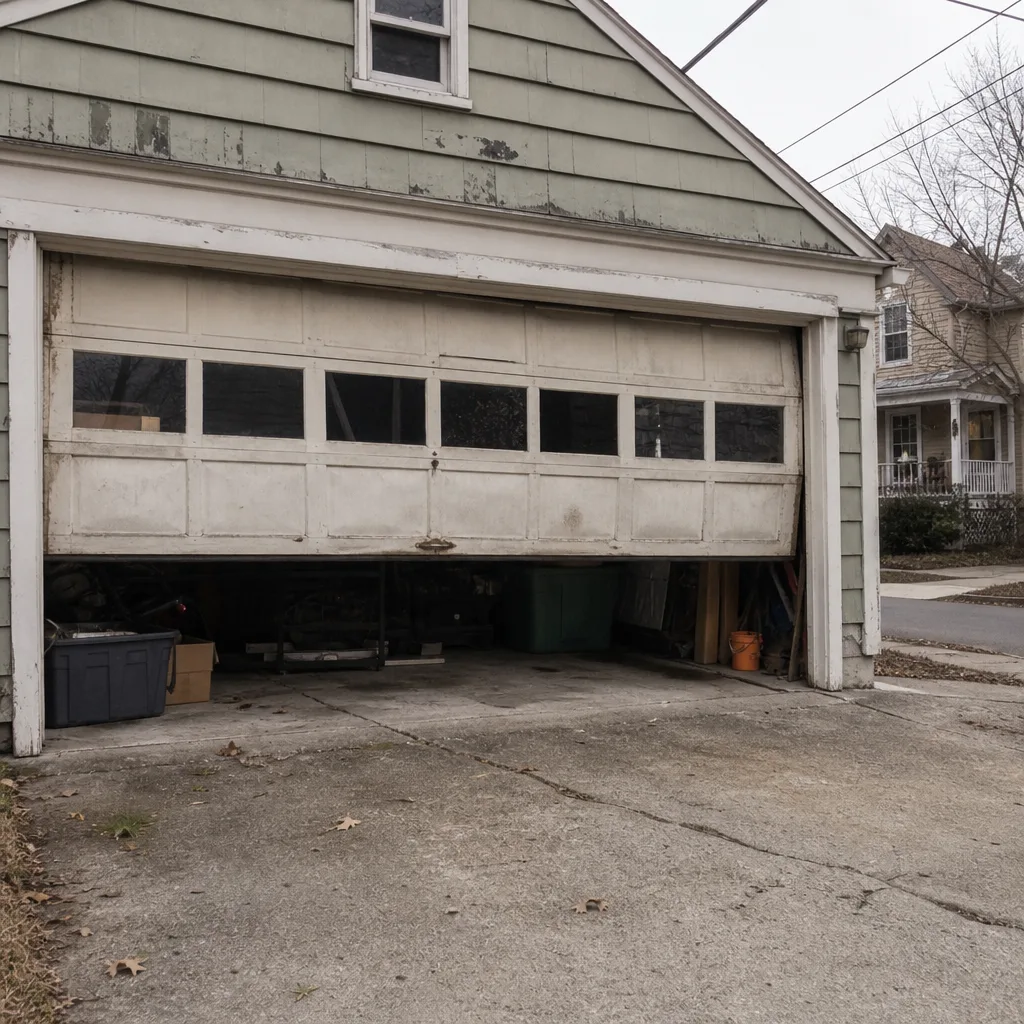 Before
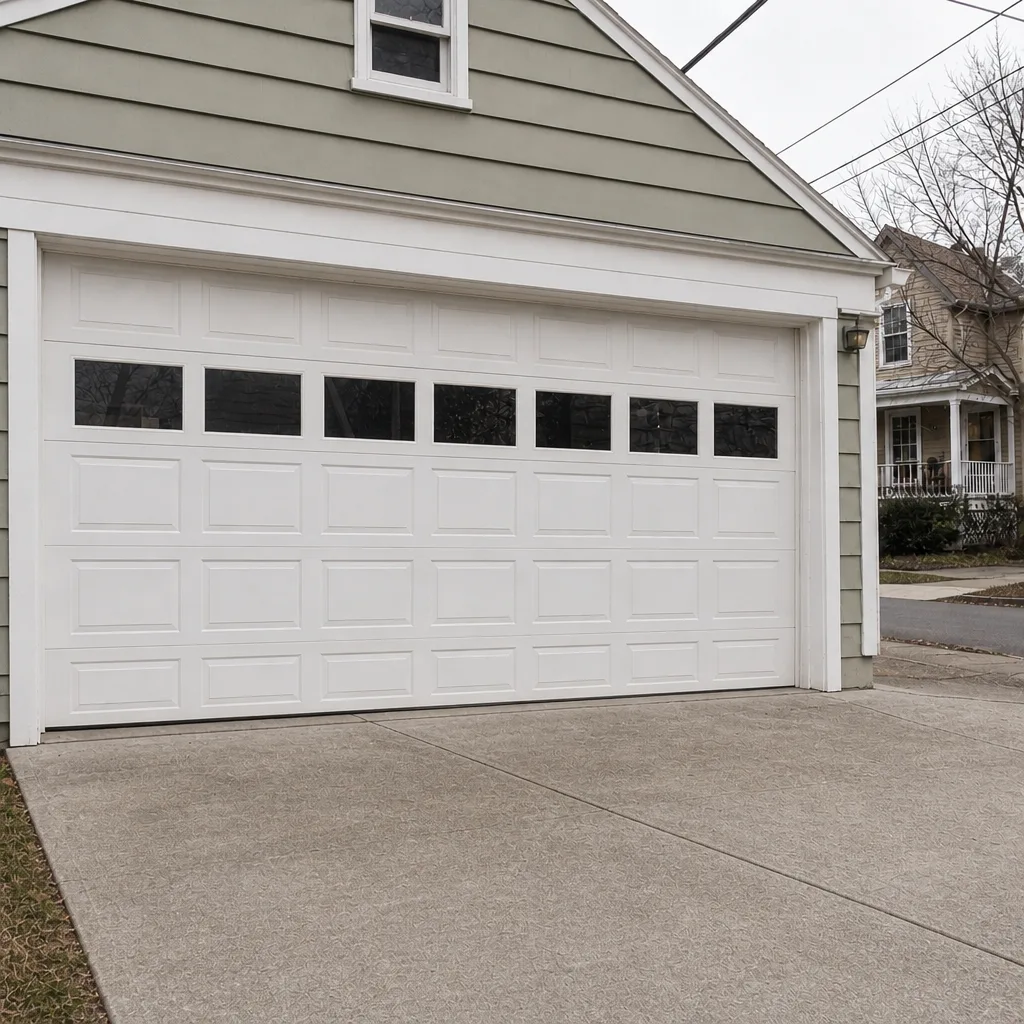 After
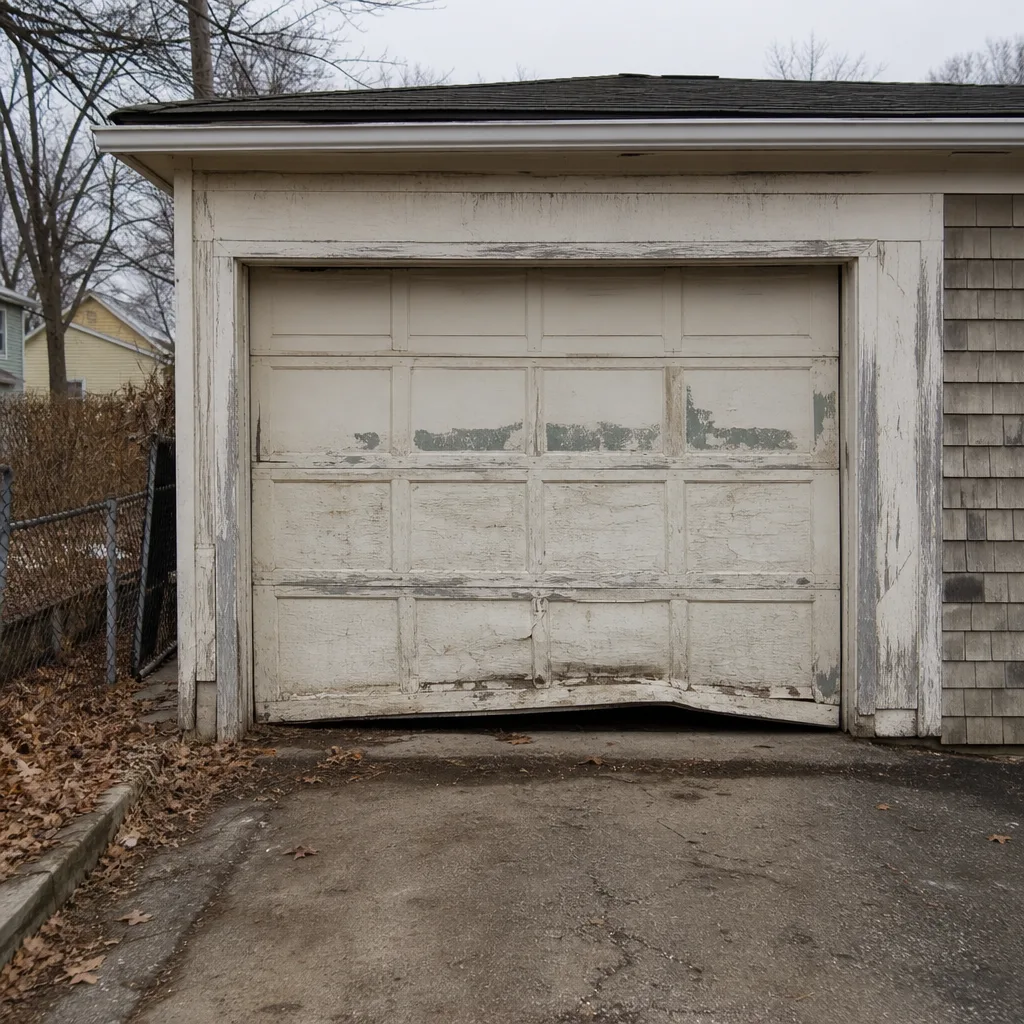 Before
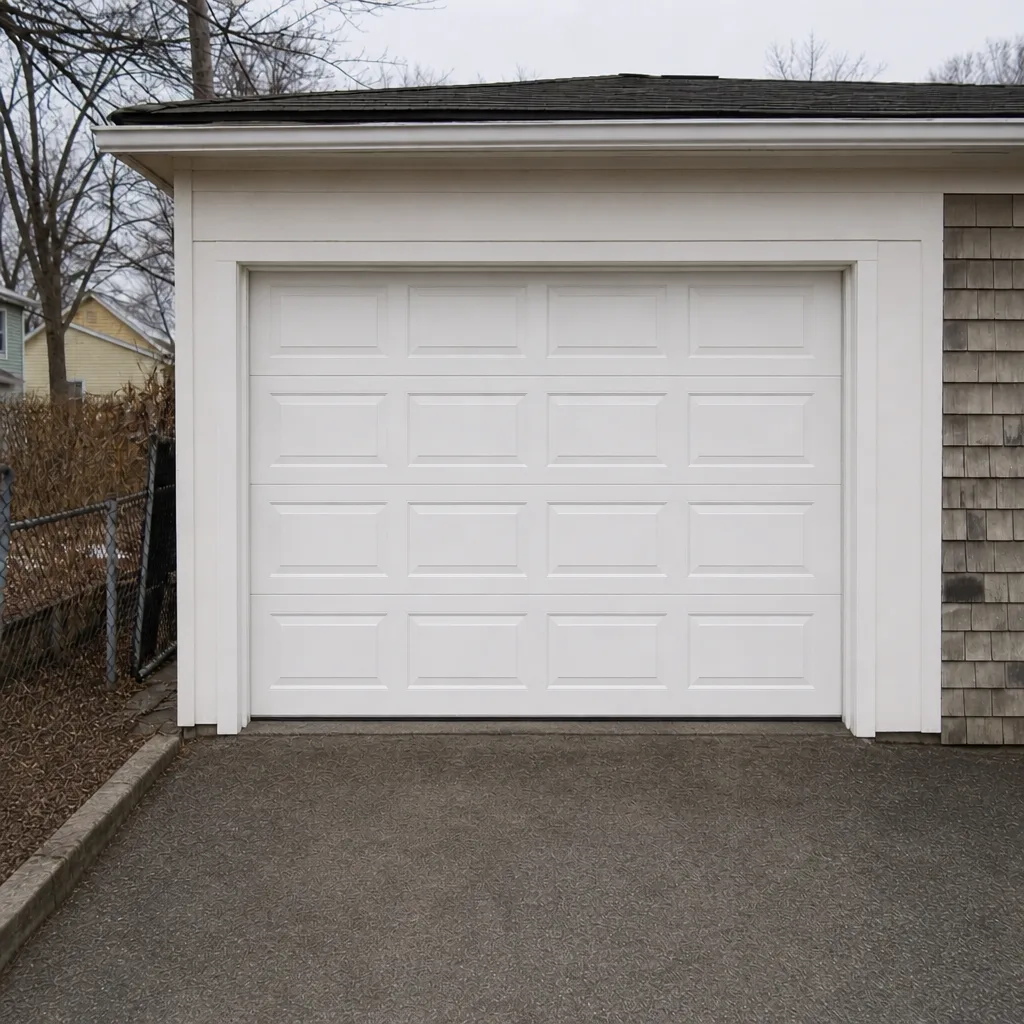 After
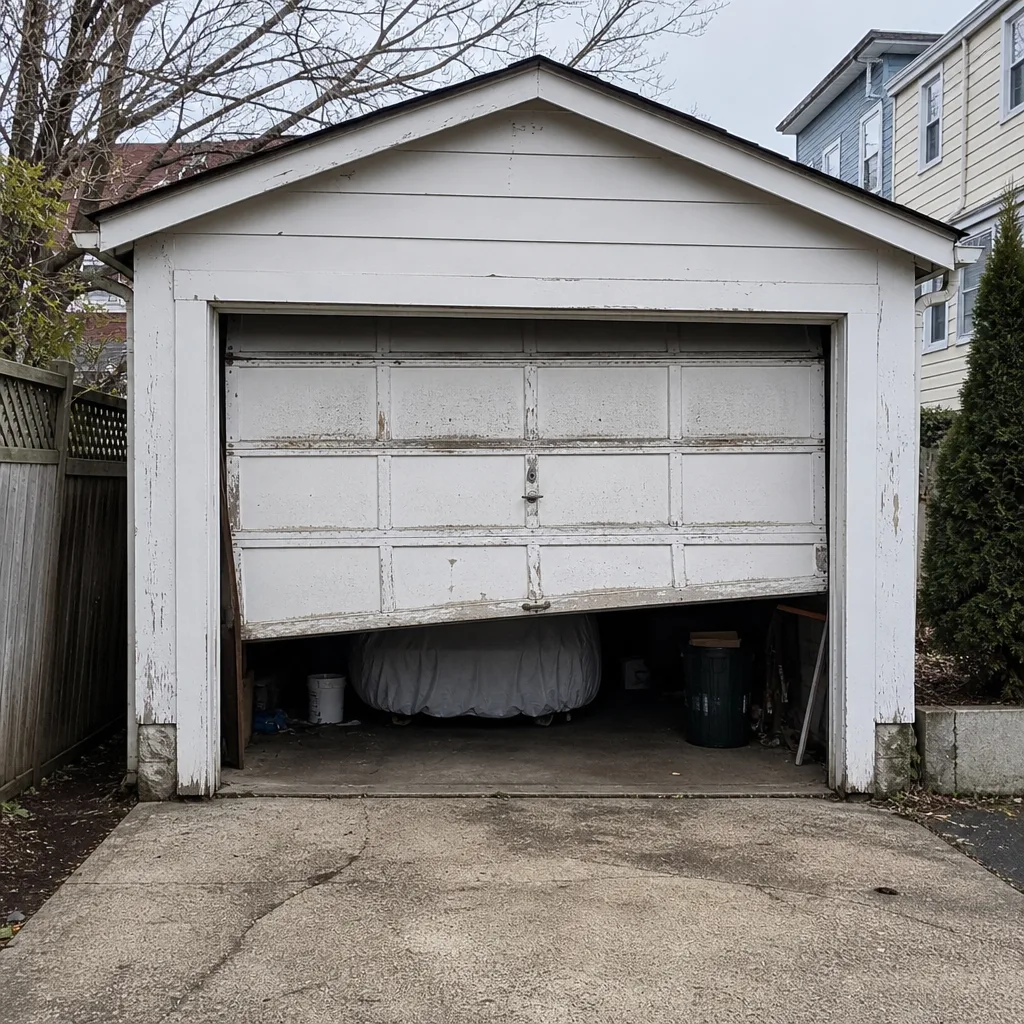 Before
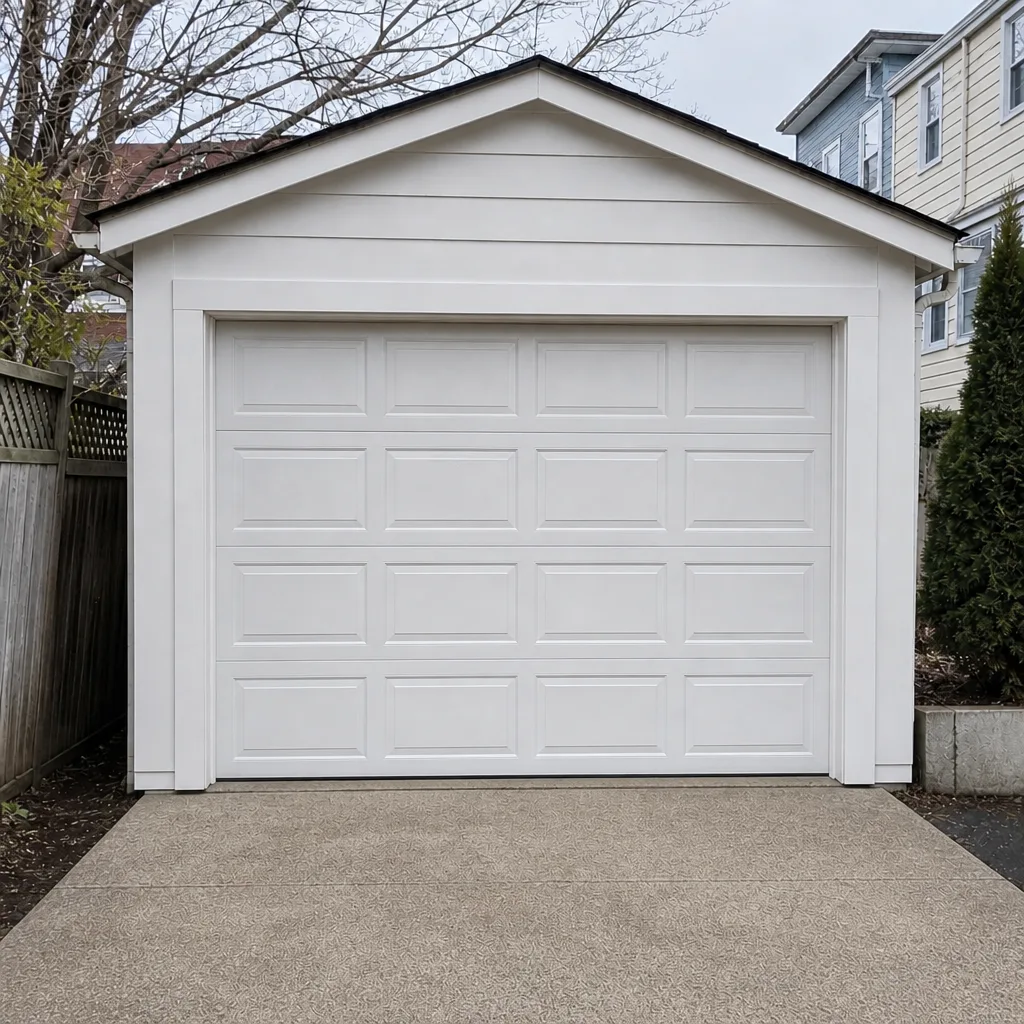 After
What a Proper On-Site Assessment Involves
A legitimate assessment takes time and involves actual measurement. Here’s what a specialist does on arrival, and what you should see.
- Measure the door. Width, height, and weight class. Spring sizing depends on all three.
- Check headroom and backroom. How much space exists above the door and behind it determines which spring system fits and which opener type will work.
- Inspect the existing hardware. Tracks, rollers, hinges, cables, and the bottom bracket, looking for wear and misalignment.
- Test the opener. Balance test, force adjustment, safety reverse, and on smart units, the connectivity path. A LiftMaster or Chamberlain unit with a Wi-Fi fault and a mechanically failing unit need different repairs.
- Ask about how you use the door. Daily driver, primary entry, or rarely used. Usage changes the recommendation.
- Write the estimate on site. Itemized, with the spring type and any opener model named.
If a contractor arrives, glances at the door, and quotes in under five minutes, you’ve been given a guess. That’s the estimate you’ll be arguing with at invoice time.
After the Work: What to Check Before You Pay
The job isn’t done when the technician packs up. It’s done when you’ve verified the door works.
- Run the door through a full cycle with the opener and by hand. It should move smoothly and stay where you leave it when half-open.
- Test the safety reverse. Put a small object in the door’s path and confirm it reverses. This is a safety device and it should work.
- Confirm the opener settings if an opener was installed or repaired, including the remote and any connected app.
- Check the estimate against the invoice. They should match. If they don’t, ask what changed before you pay.
- Keep the written warranty. It’s the document you’ll need if the same part fails.
Common Mistakes to Avoid
- Accepting a phone quote. Springs are sized to your door. A phone quote is a placeholder, not a price. It becomes the number someone argues about later.
- Skipping the HIC check. It takes a couple of minutes and filters out contractors operating outside Massachusetts home improvement rules. Registered doesn’t mean skilled, but unregistered means unprotected.
- Comparing one-line totals. Two estimates with a single number each tell you nothing. Compare spring type, opener model, labor, and haul-away line by line.
- Assuming the cheaper hourly rate wins. Diagnostic time is billed time. A specialist who identifies the fault in ten minutes usually beats a generalist who takes an hour and still guesses.
- Letting a contractor choose the brand for you. A brand-agnostic contractor works with the Craftsman or Raynor hardware already in your garage. Steer clear of one who insists on replacing it with their preferred brand without explaining why.
- Ignoring a new noise. A grinding or banging door in Cambridge’s older housing stock often points to worn rollers or a failing spring, and both get more expensive when the opener is strained by a problem that started elsewhere.
- Not asking about haul-away. A new door means an old one, and disposal is either in the estimate or on your driveway.
When to Call a Professional
Some problems are a nuisance. Others are a hazard. Call a professional if the door won’t stay closed, jumps off its track, makes a loud bang from the spring area, or if the opener runs but the door doesn’t move. Those point to springs, cables, or hardware under load, and they’re not a homeowner job. Also call if a torsion spring or cable looks frayed or bent, even if the door still works. The door may be one cycle from failing.
For opener problems like a door that reverses immediately, a remote that won’t pair, or a smart opener that’s dropped its connection, we can diagnose whether it’s mechanical or a control issue. Ashford Garage Door Repair offers free estimates in Cambridge. Call (866) 361-7938. We answer 24/7. Fast dispatch from 7am to 7pm, Sunday through Friday.
Frequently Asked Questions
We don’t publish a price here because spring cost depends on the door’s weight and the spring type. A matched pair is usually replaced together, so expect roughly double the single-spring figure. The written estimate sets the final price before any work starts. Call (866) 361-7938 for an exact quote, which is free.
Yes. Massachusetts requires home improvement contractors to register with the Office of Consumer Affairs and Business Regulation, and you can look a company up through the state’s consumer affairs resources. Ask for the registration number before you accept a quote. Registration doesn’t guarantee skill or insurance, so ask about liability coverage separately.
It shouldn’t, if the estimate was written after a site visit. The written estimate is the price for the scope it describes. If the technician finds something the estimate didn’t cover, ask for the difference in writing before work continues. Call (866) 361-7938 to schedule a free on-site estimate.
Often it can be repaired. On LiftMaster, Chamberlain, Genie, and Craftsman units, the failure is frequently a control board, a safety sensor, or a connectivity issue, not the motor. We diagnose the root cause before recommending replacement, and we work with the opener that’s already in your garage rather than pushing a new one. Call for an exact quote.
Yes. Torsion springs and the cables and drums attached to them are under high tension, and a release without the right tools and technique can cause serious injury. That’s why we don’t talk anyone through a spring replacement by phone. Keep clear of a door with a suspected spring failure and call a trained professional.
Compare the itemization, not the total. The better quote names the spring system type, the opener model, the labor charge, and the haul-away separately, and states a warranty on parts and labor. If one quote is a single number and the other itemizes, the itemized one tells you what you’re actually buying. Call (866) 361-7938 for a free estimate you can compare line by line.
The Bottom Line
Hiring a garage door contractor in Cambridge comes down to verification, not price shopping. Check the HIC registration. Ask what spring system the contractor plans to install and why. Insist on an itemized written estimate produced after an on-site visit and before any work starts, so the number you agree to is the number you pay. Ask about warranty terms and haul-away. A specialist’s higher hourly rate often produces a lower final bill, because the diagnostic work is faster and the fix holds. For a free estimate, call (866) 361-7938. We answer 24/7. Fast dispatch from 7am to 7pm, Sunday through Friday.
Written by the team at Ashford Garage Door Repair.