
Last updated November 15, 2026
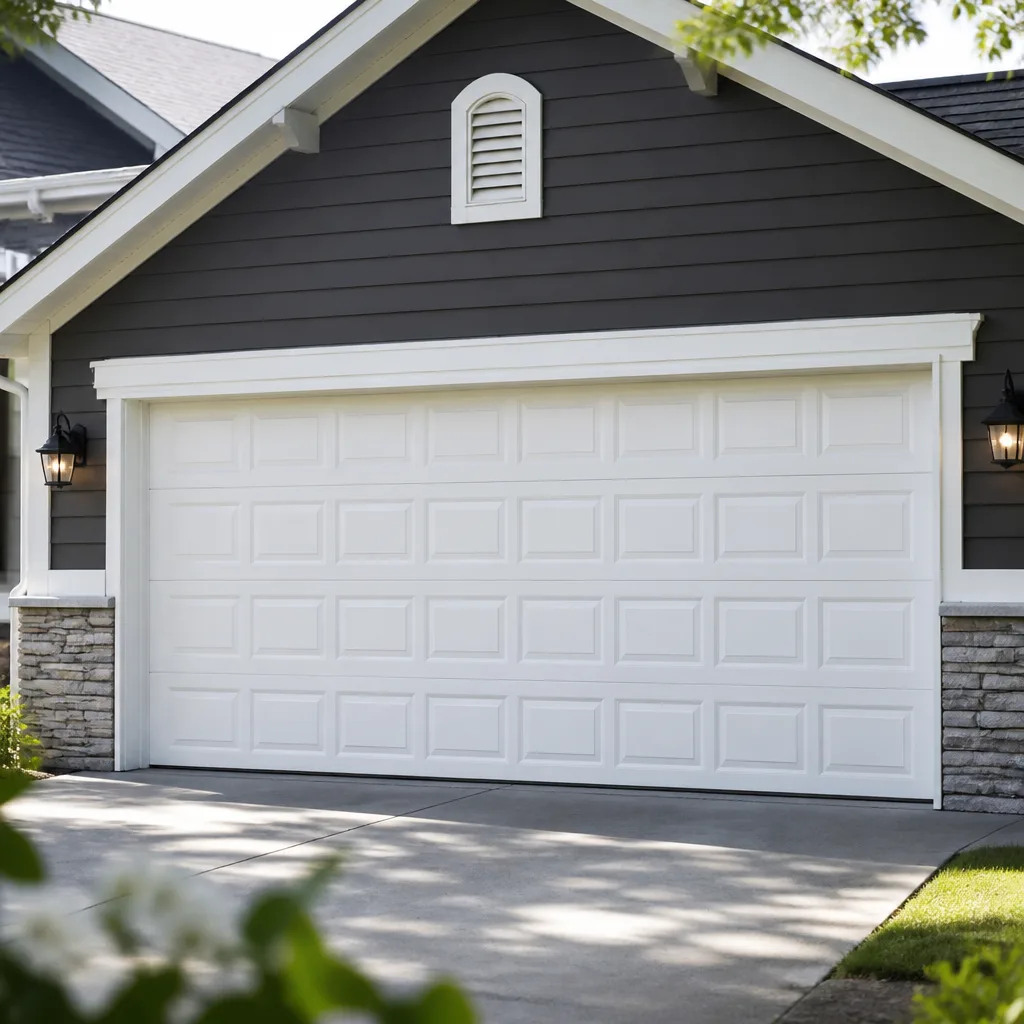 Raised-panel steel
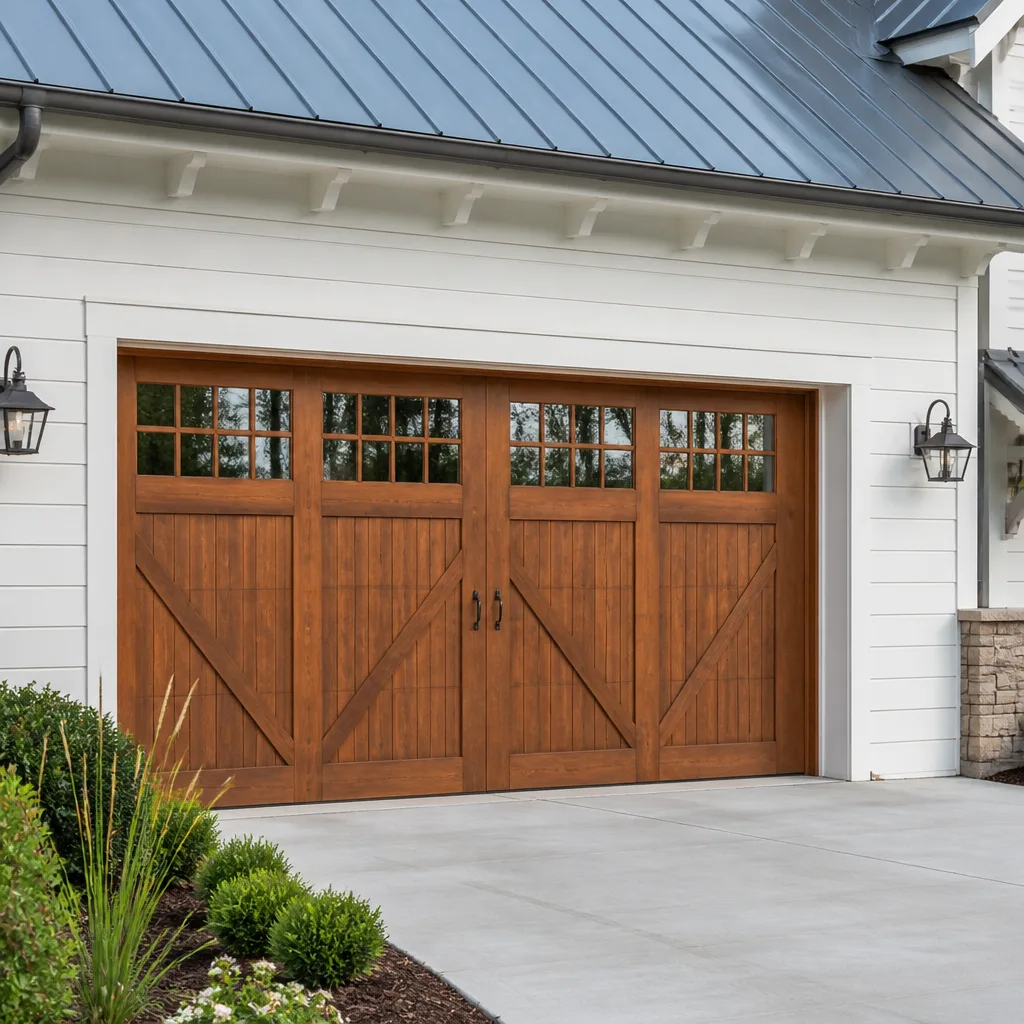 Carriage house
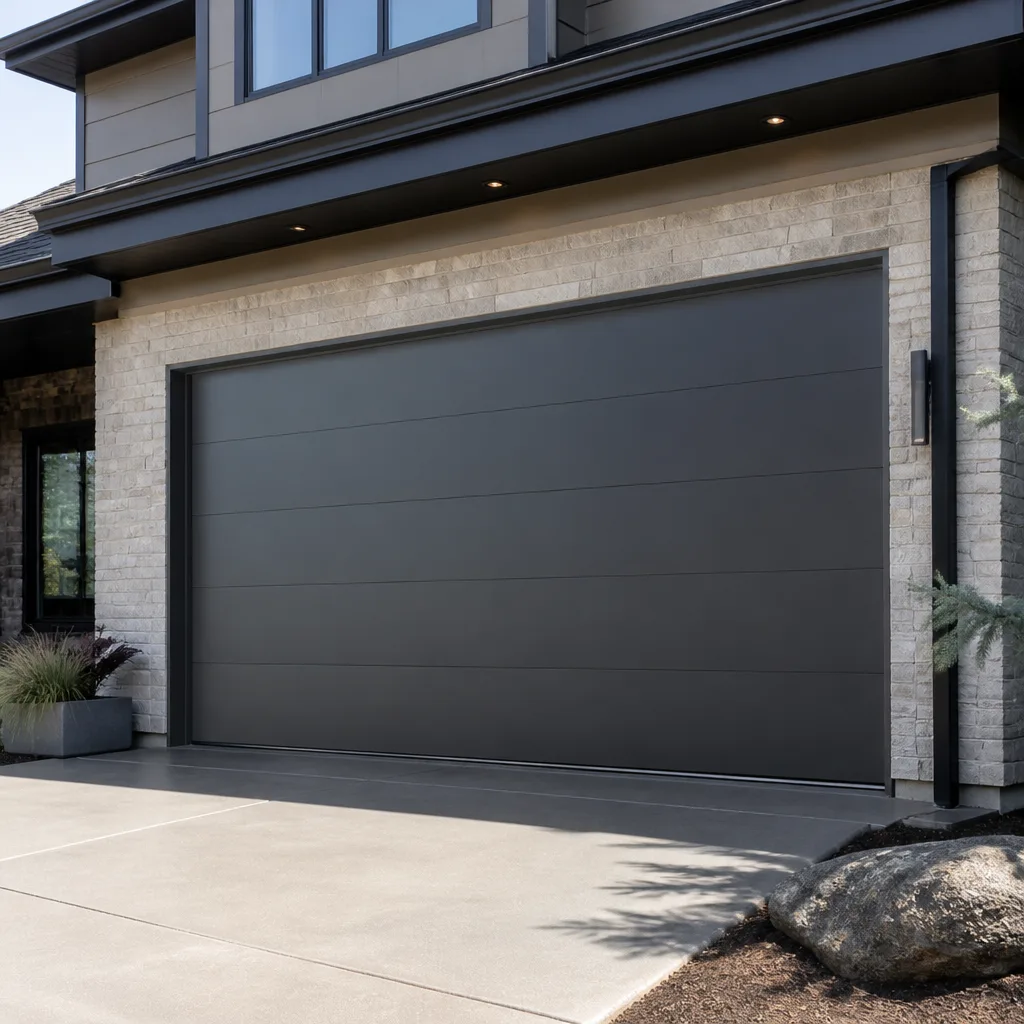 Modern flush
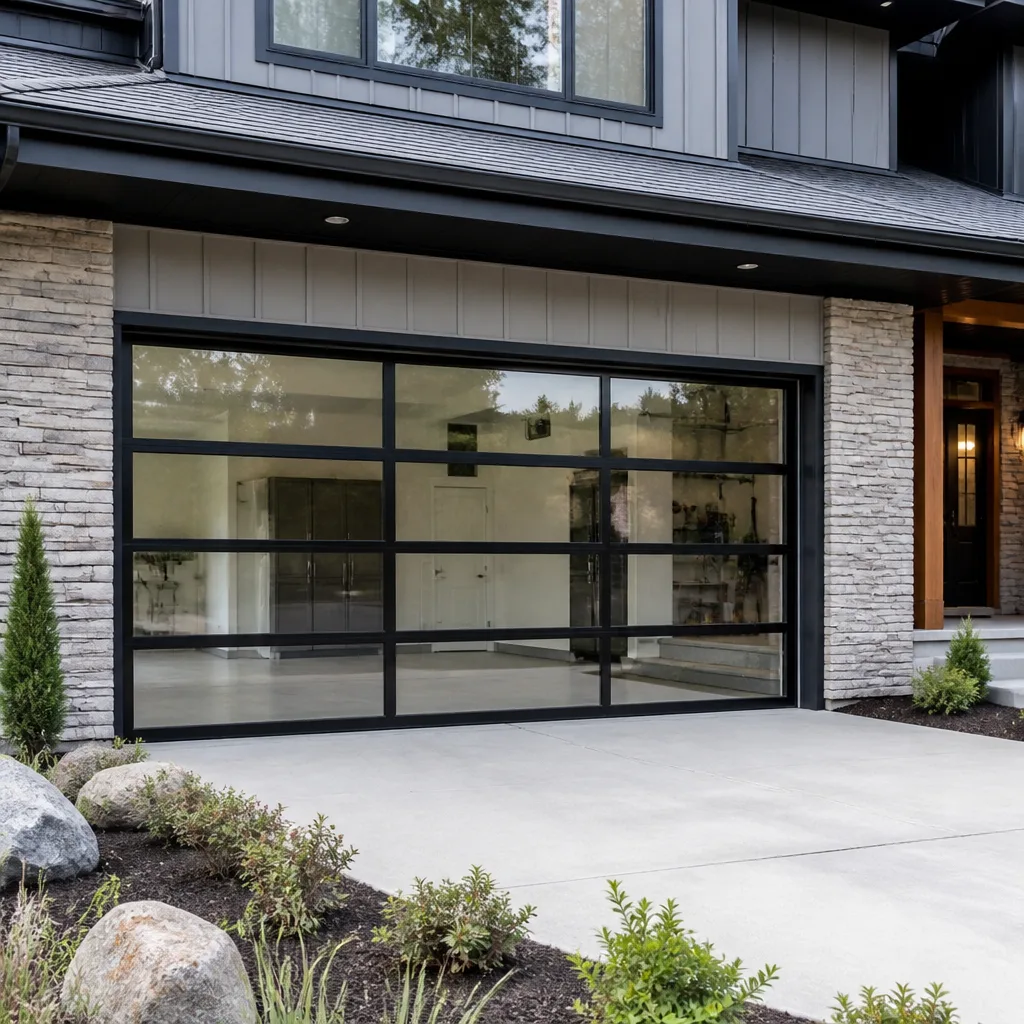 Full-view glass
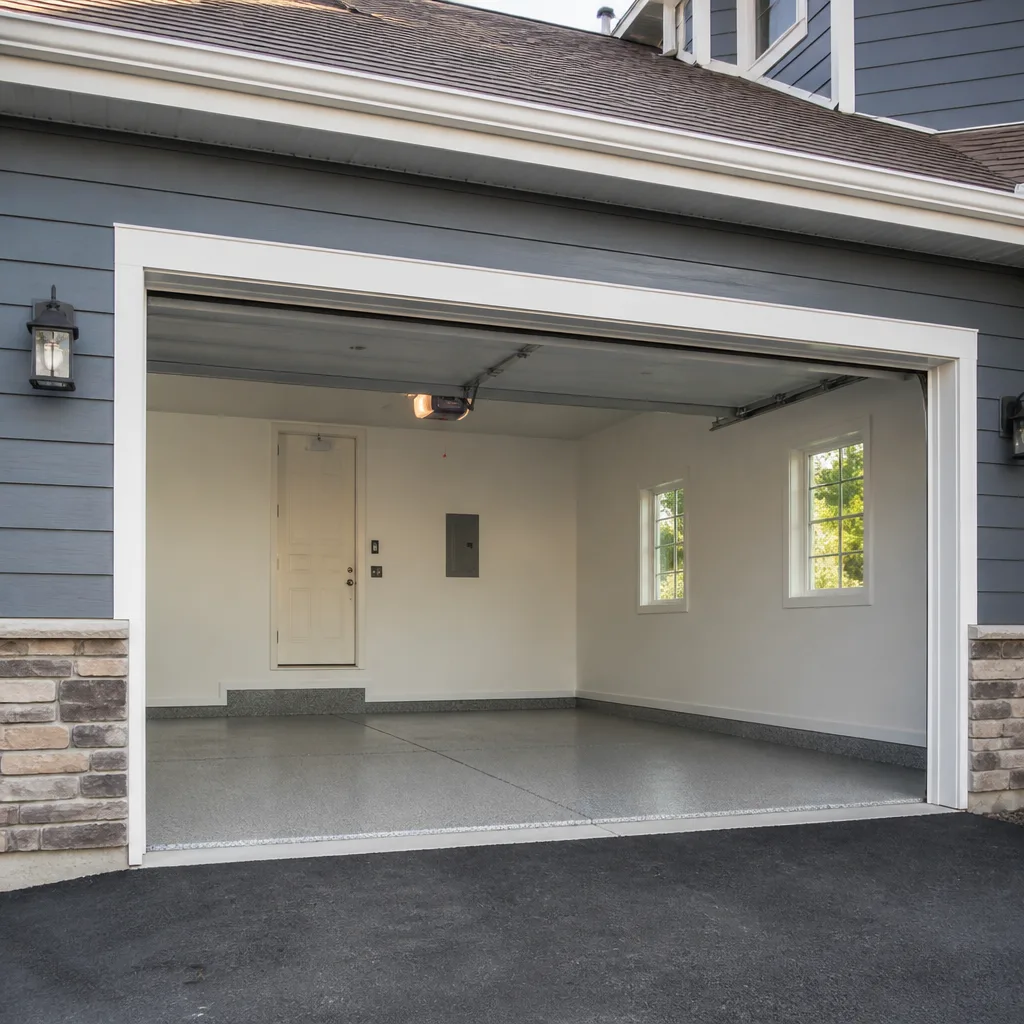 LiftMaster openers
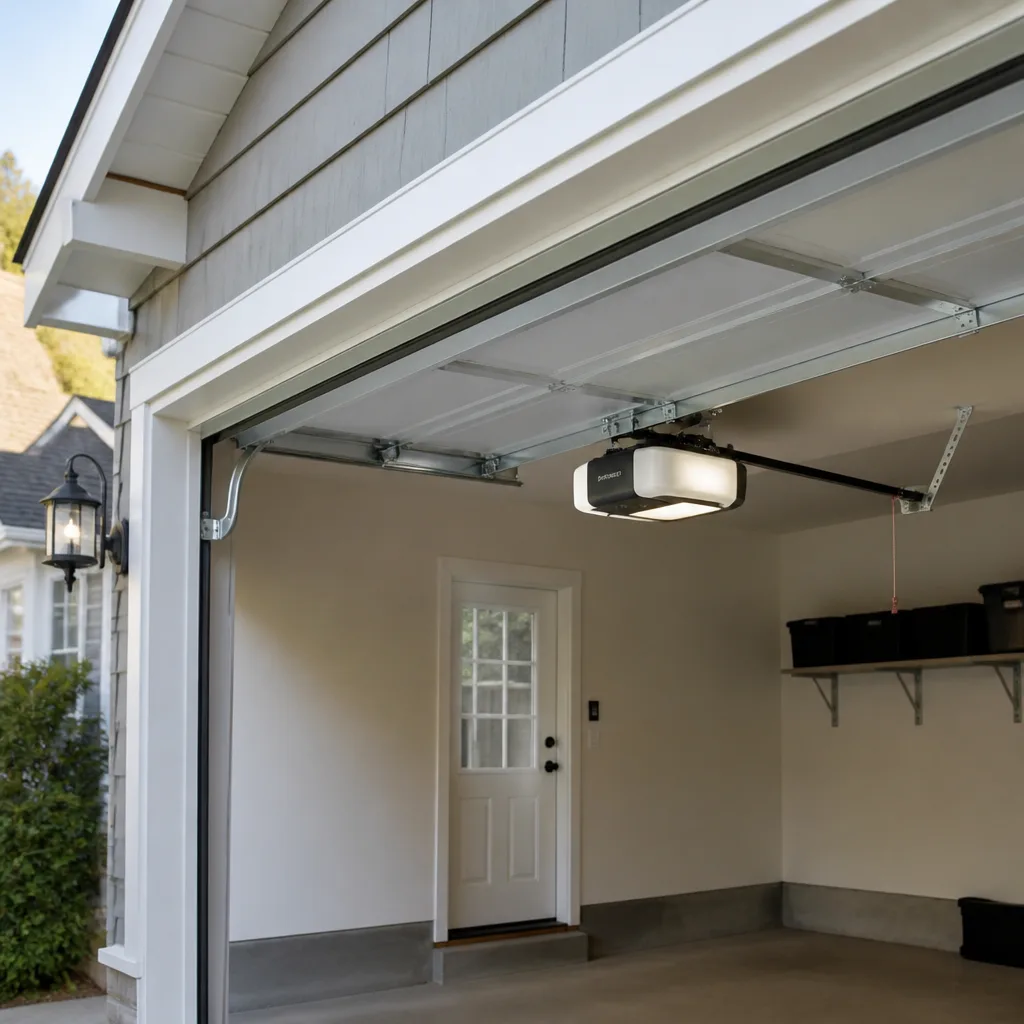 Chamberlain openers
Full 25-point door and opener safety check with every visit - springs, cables, rollers, tracks, and your LiftMaster or Chamberlain opener included
You get a price before we start. It does not change when the pro arrives.
Get your free estimateThe Complete Guide to Garage Doors in Cambridge
Most Cambridge garages were retrofitted into structures built before the automobile existed. Carriage houses became parking. Basement walls in triple-deckers were pushed back. Alleys in Cambridgeport were paved over and pressed into service. The result is that the standard sizing, headroom clearances, and opener-mounting assumptions baked into every generic garage door guide don’t hold here. A door that fits a suburban two-car garage often won’t fit a Cambridge rough opening without a custom top section, a low-clearance track conversion, or a different torsion setup altogether. This guide treats Cambridge as its own technical environment: the building stock, the freeze-thaw cycle, the historic district overlays, and the alley-access garages that most contractors learn about on arrival. By the end you’ll know what to check, what to ask, and when to stop adjusting and call a specialist.
Quick Answer
Garage doors in Cambridge need to be measured against pre-war building stock, not standard factory dimensions, because rough openings, headroom, and track clearances are frequently non-standard. The freeze-thaw cycle drives spring tensioning and weatherstripping choices more than the manufacturer’s default settings do. Repair, opener repair, and full installation are all handled by a garage door specialist who can measure the actual opening and order or adjust parts to match it, rather than a generalist fitting a door to a template.
Styles & brands we work with
- Raised-panel steel
- Carriage house
- Modern flush
- Full-view glass
- LiftMaster openers
- Chamberlain openers
Table of Contents
- How Cambridge’s pre-war building stock shapes garage door sizing
- Neighborhood differences: Cambridgeport alleys vs. West Cambridge attachments
- Why the freeze-thaw cycle changes spring tuning and weatherstripping
- Historic district overlays and what they actually restrict
- Specialist vs. general contractor on non-standard openings
- Opener repair and low-clearance opener mounting
- Repair or replace?
- What to check each season
How Cambridge’s pre-war building stock shapes garage door sizing
Cambridge’s housing stock is the single biggest reason garage door work here is different. Triple-deckers, Victorian rowhouses, and converted carriage houses were never designed with garage doors in mind. Many openings were cut into existing structures, which means the rough opening dimensions, headroom, and ceiling height vary from property to property in ways that a tape measure alone won’t predict.
Three problems show up repeatedly:
- Headroom under standard minimums. Standard torsion assemblies and many openers assume twelve to fourteen inches of headroom above the door. Cambridge carriage houses and basement-alcove garages often run lower, which means low-clearance track systems or a different spring arrangement.
- Non-rectangular rough openings. Retrofitted openings aren’t always square. A door that’s true to factory spec won’t sit flush, and the fix is often a custom top section or an oversized frame rather than shimming the existing one.
- Inconsistent track mounting surfaces. Victorian timber framing and later concrete infill both show up behind the same wall. Track brackets have to land where the structure will actually hold them, not where the installer planned.
In our experience the measurement step on a Cambridge job takes longer than on new construction, because the assumptions you’d normally make don’t apply. We already know your system once we’ve photographed the opening, measured the headroom, and identified the existing track type – the diagnosis happens before the door is ordered, not after it arrives.
Neighborhood differences: Cambridgeport alleys vs. West Cambridge attachments
The garage door problems you hit in Cambridge depend heavily on which neighborhood you’re in. Cambridgeport alleys and the tight access streets south of Mass Ave create one set of challenges. Attached garages in West Cambridge and the brick-and-stucco portions of mid-Cambridge create another.
Cambridgeport and Riverside
Alley-access garages here are typically deeper and narrower than a standard garage door spec. Delivery and installation have to account for alley width, overhead lines, and neighbors’ structures. A door that arrives at the curb isn’t the same as a door that reaches the track. Spring and cable work here also has to account for the fact that alley walls often share structure with adjacent properties, so anchoring and clearances are tighter.
West Cambridge and mid-Cambridge
Attached garages built into rowhouses and raised basements tend to have lower headroom and more constrained ceiling space. Openers often have to be side-mounted or low-profile. The connections between the garage and the house also matter: weatherstripping on an attached garage affects the thermal envelope of the house, not just the garage itself.
If you need help in a specific part of the city, our Cambridge page covers neighborhoods, response, and coverage in more detail.
Why the freeze-thaw cycle changes spring tuning and weatherstripping
Cambridge’s freeze-thaw cycle – repeated freezing at night and thawing mid-day through late winter and early spring – does two things to a garage door that factory settings don’t address.
First, torsion spring tension drifts. The door that felt balanced in October feels heavy in February and light again in April. The factory tension setting is a starting point, not a year-round setting. A trained technician adjusts spring tension for the season rather than simply resetting it to the factory mark, because the factory mark assumes a stable temperature and humidity range the door doesn’t see here.
Second, weatherstripping fails at the bottom seal and perimeter first. The freeze-thaw cycle cycles a rubber or vinyl bottom seal between stiff and flexible hundreds of times through the winter. It cracks before it looks cracked, and then water gets past it and freezes on the threshold. That’s when people start seeing ice inside the garage, water pooling under the door, and a door that suddenly needs help to close fully. Replacement seals that hold up better here are denser and stay flexible at lower temperatures, and the frame seal at the sides matters as much as the bottom.
Springs, cables, and bottom brackets store serious energy. Adjusting torsion springs yourself is dangerous and is not something we’d walk a homeowner through. Spring, cable, and bracket work belongs with a trained technician.
Historic district overlays and what they actually restrict
Mid-Cambridge and several other parts of the city sit within historic district overlays, and the question homeowners ask most often is whether an overlay means they can’t change the door. In most cases it doesn’t prevent the change – it shapes the panel style, material, and sometimes the finish. The overlay cares about how the door looks from the street, not about whether the door works.
What typically gets reviewed:
- Panel style and division. A flush modern door in a district dominated by paneled carriage-house styles is more likely to attract comment than a door that echoes the existing pattern.
- Material and finish. Wood-look steel, painted steel, and true wood all get reviewed differently depending on the block and the existing building materials.
- Window inserts. Adding or removing glazing is a visible change and usually reviewed.
We can’t tell you what your specific overlay will or won’t approve, and we’d never pretend to. If you’re in a historic district, ask the city’s building department what review your address needs before the door is ordered. What we can do is measure the opening, identify the existing door style, and offer panel options that match the district’s vocabulary – so the door that arrives is the door that passes review. For specific repair work short of a full replacement, see our page on garage door repair.
Specialist vs. general contractor on non-standard openings
Cambridge’s non-standard rough openings are where the difference between a garage door specialist and a general contractor becomes obvious.
A general contractor measures the opening, orders a door from a manufacturer’s catalog, and finds out on installation day that the opening isn’t rectangular, the headroom is short by three inches, or the ceiling can’t take a standard opener mount. The fix becomes cutting framing, changing track type, or returning the door. A garage door specialist measures the opening against the actual constraints of the job – headroom, ceiling material, track style, opener mounting location – and orders to that measurement, or specifies the track and opener combination that will work.
We’re factory-familiar with the systems most commonly installed on Cambridge homes, including Amarr, Wayne Dalton, and Craftsman, and we’re brand-agnostic about what goes back in. If your existing door and opener work, we repair them. If a replacement makes more sense, we measure for the replacement. We’ve found that brand familiarity saves diagnostic time: fewer guesses about how the opener is wired, which limit switches it uses, and what panel profile will match the original.
One call, one specialist. Repair, opener work, and installation under the same team – nobody hands off between contractors, and nobody arrives expecting a standard opening.
Opener repair and low-clearance opener mounting
Opener failures in Cambridge split into two groups: mechanical failures (motor, gear assembly, belt or chain, limit switches, travel adjustment) and connectivity failures (smart-home pairing, remote signal, Wi-Fi module). Both are fixable, and both benefit from a technician who knows the platform already.
Low-clearance mounting is the Cambridge-specific twist. Where headroom is tight, side-mount and jackshaft openers solve the problem that a ceiling-mounted opener can’t. The trade-off is that some openers don’t support that mounting, and the choice has to happen before the door is installed rather than after.
Brand-wise, the opener ecosystem most common in Cambridge homes comes down to four: LiftMaster, Chamberlain, Genie, and Craftsman. Those four cover the overwhelming majority of openers we see, and knowing which limit switch a given model uses, or which remote pairing sequence applies, saves diagnostic time. For the mechanics and connectivity side, see our garage door opener repair page.
Openers can be adjusted and reset at home, but anything involving the opener’s mounting rail, the door’s balance, or the safety sensors after a failure deserves a professional look. A door that isn’t balanced puts strain on the opener every cycle.
Repair or replace?
Most garage doors in Cambridge are repairable. The question is whether repair is the cheaper path over the next few years or just the cheaper path this month.
Three signs point toward replacement rather than repair:
- Multiple structural failures at once. A door with a bent track, a cracked bottom panel, and a failing spring is often past the point where repair adds up.
- Non-standard opening plus repeated repair. A door that was undersized for the opening and keeps failing is usually a replacement job with a properly measured door, not a fourth repair.
- Panel replacement cost near door replacement cost. On older wood-panel doors, replacing damaged panels can approach the cost of a full replacement. If match panels aren’t available, that tips it.
If the opening is intact, the track is true, and the failure is spring, cable, roller, or opener, repair is almost always the right call. Estimating repair cost over the next year against replacement is where a conversation with a specialist is worth having.
What to check each season
A five-minute seasonal check goes a long way in Cambridge’s climate. It won’t prevent every failure, but it catches most of the ones that would otherwise turn into a morning with the car stuck inside.
- Listen for a change in tone. A door that suddenly sounds different is telling you something is wearing.
- Test the balance by hand – carefully. With the door in the open position and the opener disengaged, the door should roughly hold its place. A door that falls or rises on its own has a spring issue; call a professional.
- Inspect the bottom seal and perimeter weatherstripping before winter. Replace anything cracked or stiff. This is the single most-ignored part of a Cambridge garage door and the one that matters most through freeze-thaw.
- Clear the tracks. Debris and small stones in the track knock the door off balance and wear the rollers.
- Test the safety sensors. Wave an object through the sensor beam. The door should reverse. If it doesn’t, stop using the opener.
- Check the door’s alignment – does it close flat against the frame on both sides? If not, the track may have shifted.
Common Mistakes to Avoid
- Assuming standard sizing. Cambridge rough openings vary far more than in new construction neighborhoods, and ordering to a standard dimension without measuring is the fastest way to return a door.
- Ignoring headroom until the opener arrives. Low-clearance mounting is a decision that has to happen before the opener is ordered, not after.
- Resetting spring tension to the factory mark without checking the door’s balance. The factory tension assumes a stable climate. Cambridge doesn’t have one.
- Skipping the weatherstripping refresh before winter. It’s the least-expensive part and the one that catches the freeze-thaw cycle first.
- Hiring a general contractor for a non-standard opening. What looks like a straightforward install on paper often isn’t in a converted carriage house or basement-alcove garage.
- Changing the door style in a historic district before checking what the overlay allows. The overlay cares about appearance, not function, and appearance reviews move faster when the change starts with the right questions.
- Adjusting torsion springs or cables yourself. These carry enough stored energy to cause serious injury. Stop and call a trained technician.
See the difference
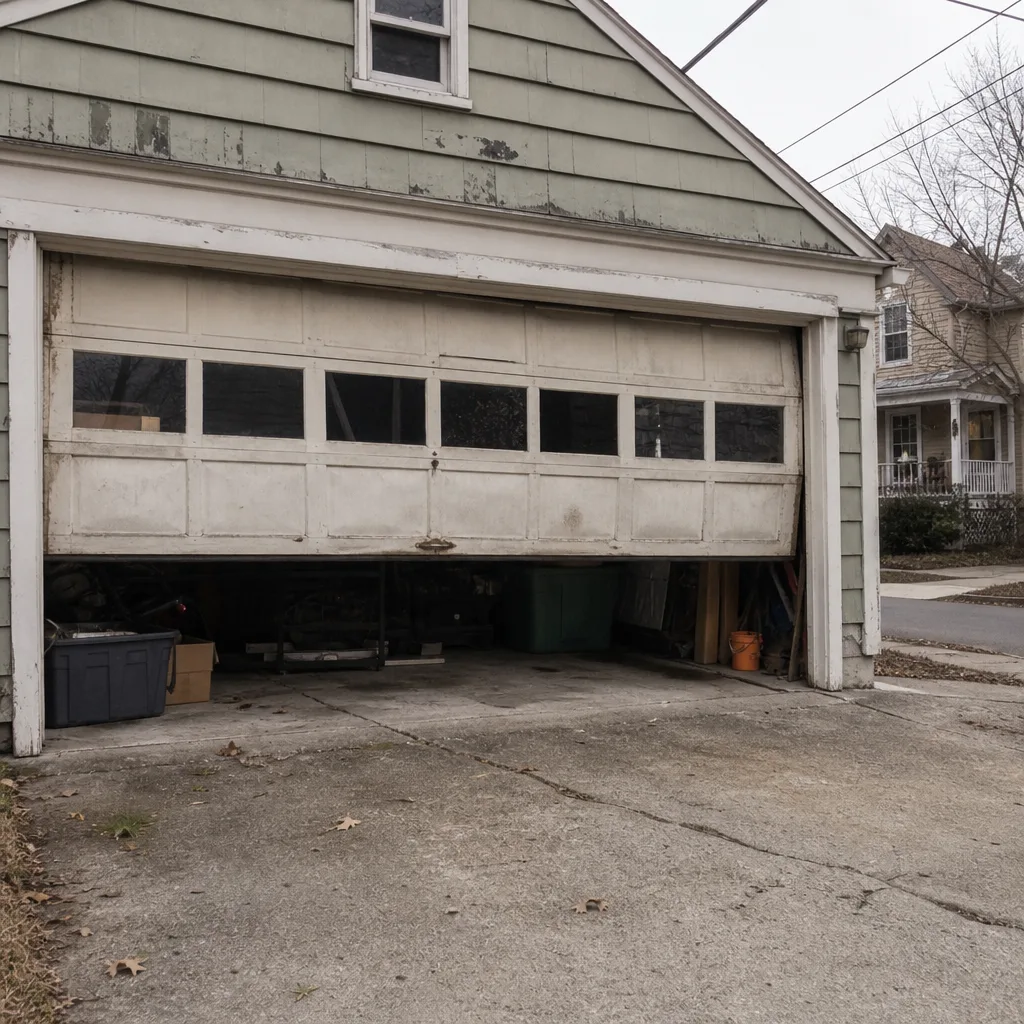 Before
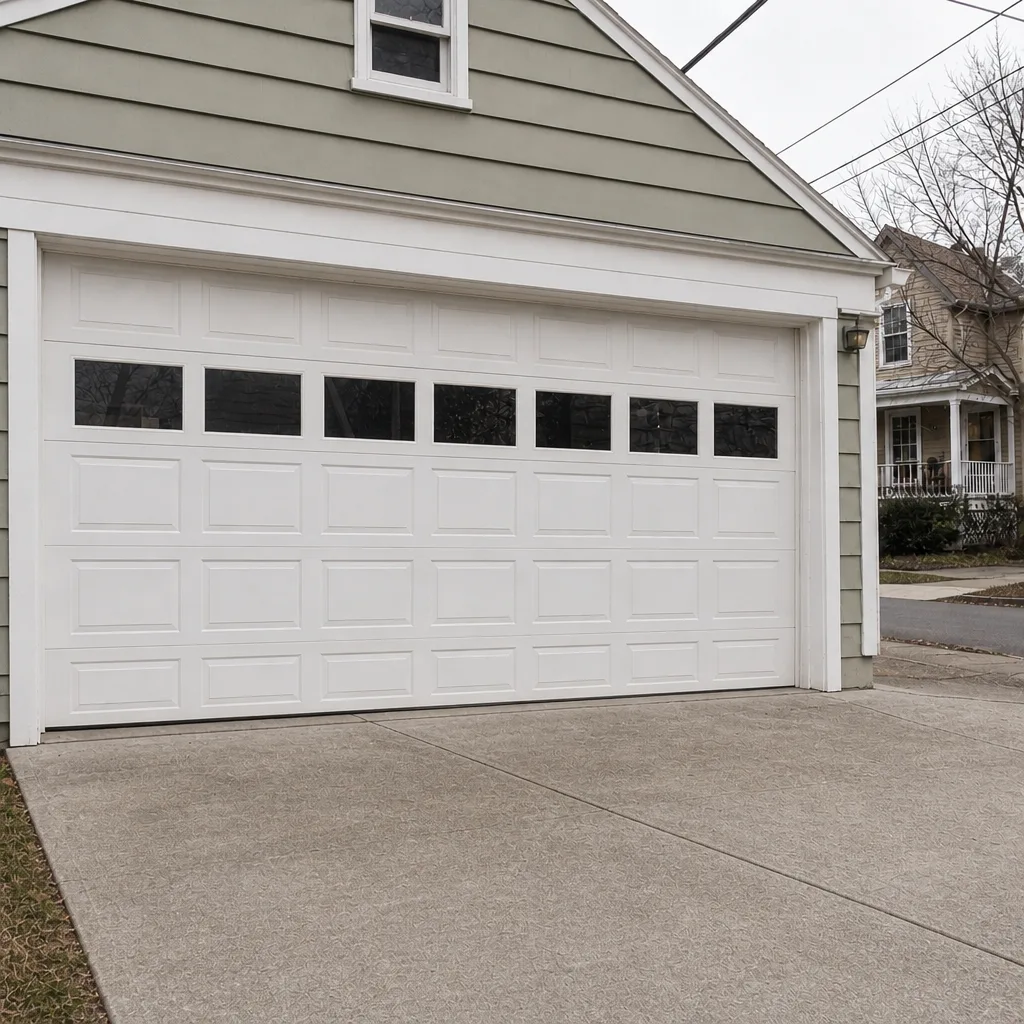 After
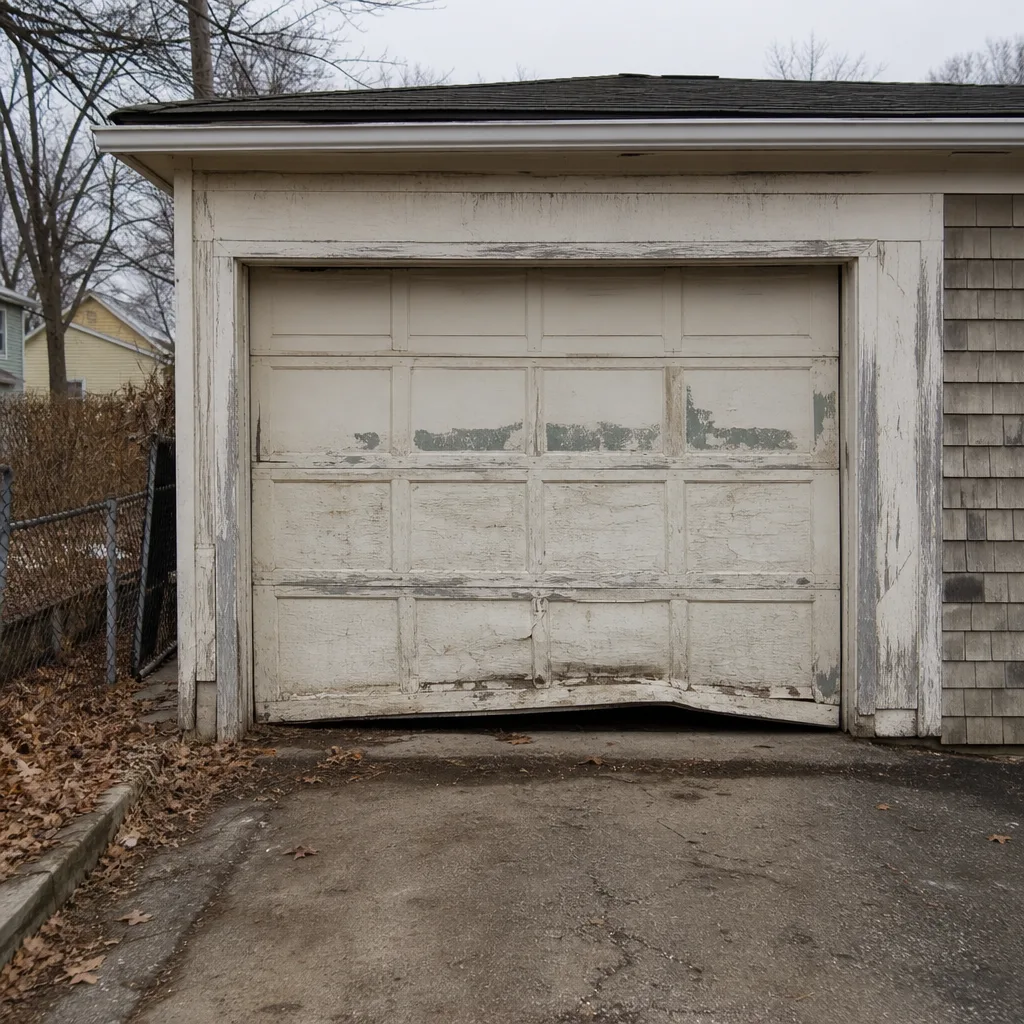 Before
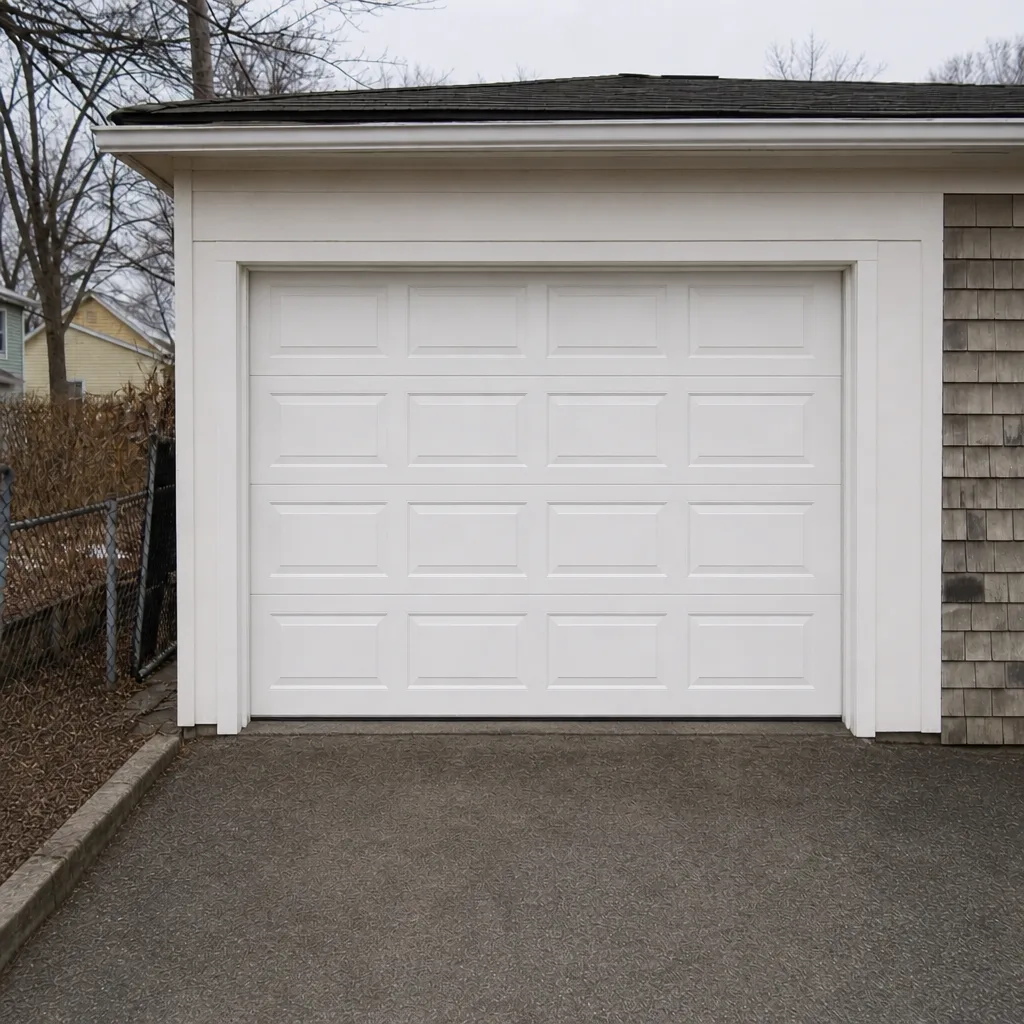 After
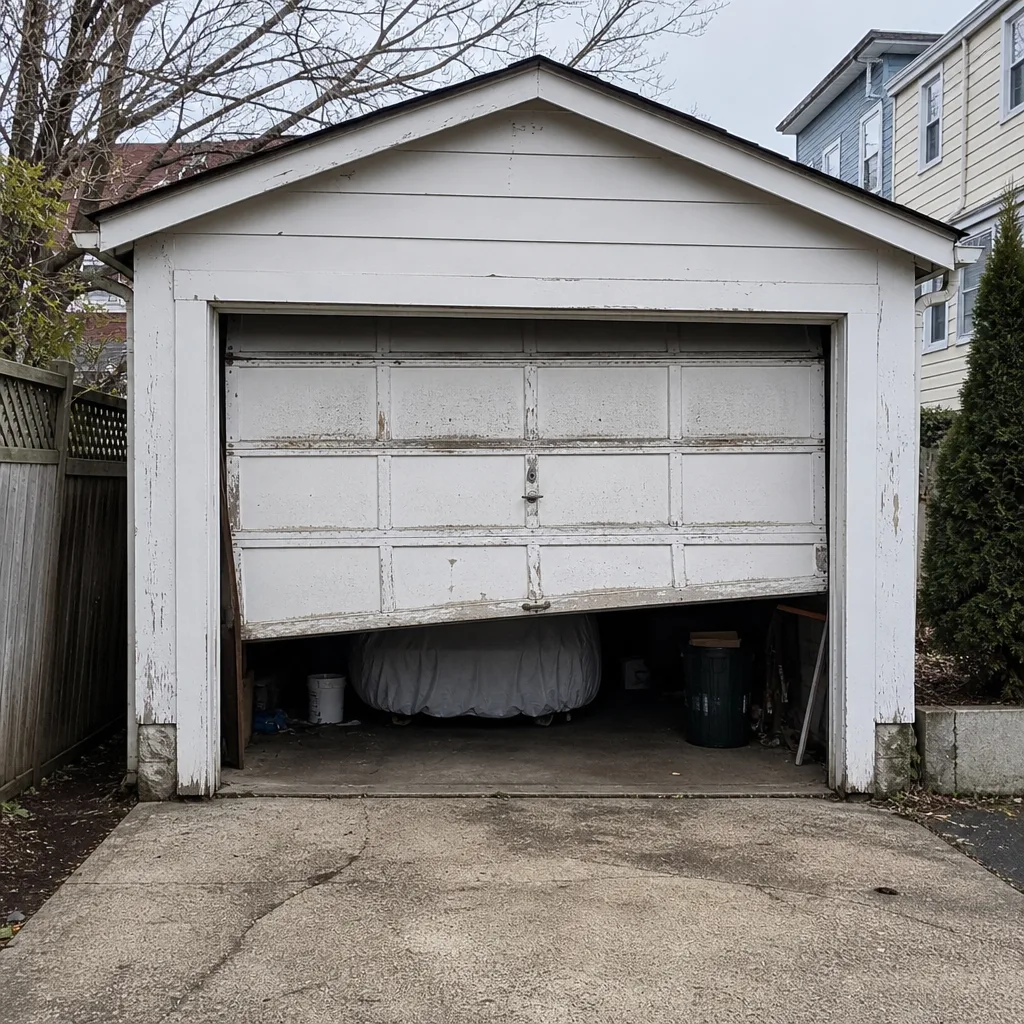 Before
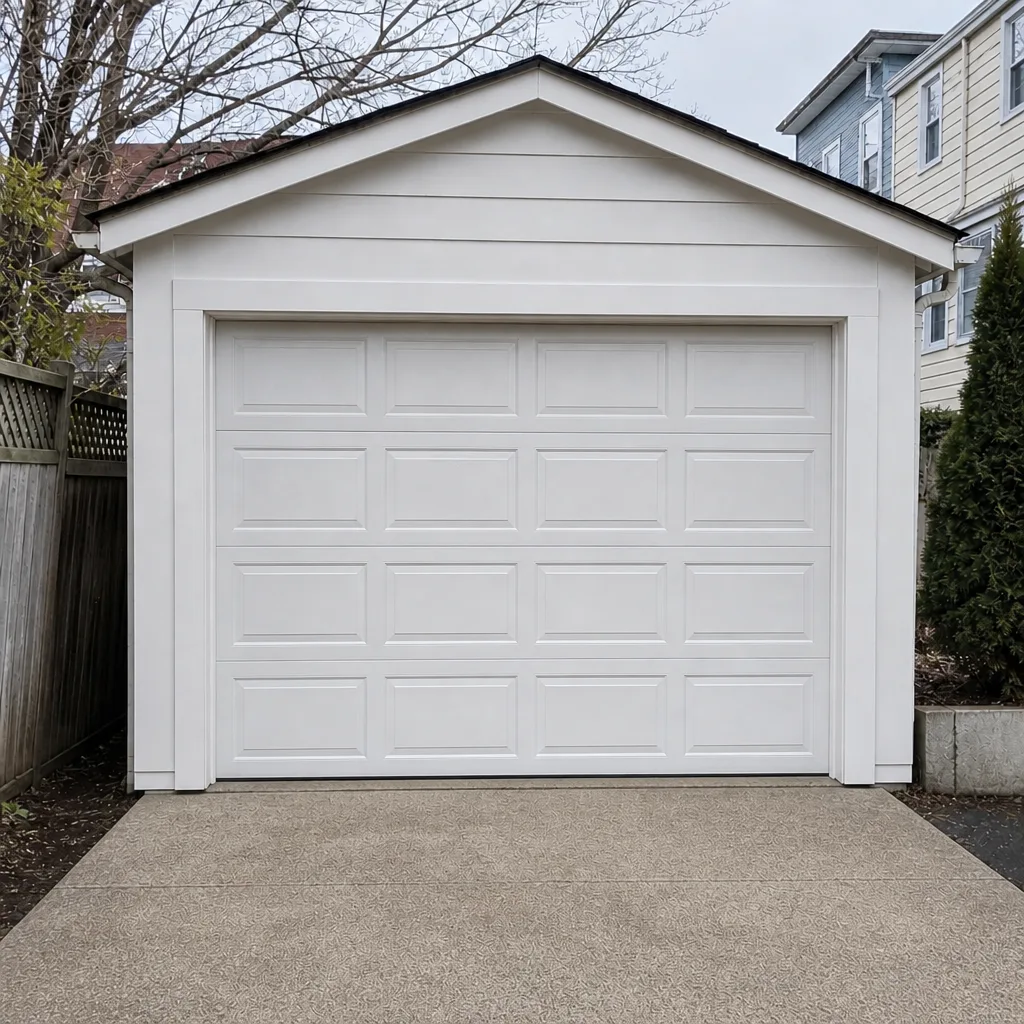 After
When to Call a Professional
Call a professional when the door won’t balance on its own, when a spring or cable is visibly broken or slack, when the opener reverses without a clear obstruction, or when the bottom of the door has stopped sitting flat against the frame. Call before ordering a replacement if your opening is non-standard – measurement and specification decisions made before the order save far more time than they cost.
We answer 24/7. Fast dispatch runs from 7am to 7pm. Ashford Garage Door Repair offers free estimates in Cambridge. Call (866) 361-7938 and we’ll walk through what’s happening with the door, opener, or opening before anything is scheduled.
Frequently Asked Questions
Yes, if the opening is non-standard. Standard sizing is the exception in Cambridge’s pre-war building stock, not the rule, and a specialist measures the opening against the actual constraints (headroom, ceiling material, track mounting location) rather than against a manufacturer’s template. A standard measurement often produces a door that doesn’t fit the rough opening once it’s on site. Call (866) 361-7938 for a free estimate – we’ll measure and confirm the fit before anything is ordered.
Usually yes, in terms of whether a door can be changed, but the overlay typically shapes the panel style, material, and finish rather than blocking the change. Ask the city’s building department what review your specific address requires before the door is ordered. We can measure the opening and offer panel styles that match the district’s vocabulary so the door passes review. Call (866) 361-7938 to set up the measurement.
Because the torsion spring tension drifts as temperature swings. The factory-set tension assumes a stable climate and Cambridge’s freeze-thaw cycle isn’t one. A technician adjusts spring tension for the season rather than resetting to the factory mark. Do not adjust torsion springs yourself – they carry enough stored energy to cause serious injury. Call (866) 361-7938 for an estimate.
Cost depends on the failure – spring, cable, roller, opener, track, or panel – and on whether the door’s opening is standard or non-standard to Cambridge’s building stock. Because Cambridge is heavy on converted carriage houses and basement-alcove garages, non-standard is more likely here than in suburban markets. We quote before any work starts, and the estimate is free. Call (866) 361-7938 for an exact quote.
Denser, low-temperature-flexible bottom seal and perimeter weatherstripping, because the freeze-thaw cycle stiffens standard seals until they crack. The bottom seal and the side frame seal both matter. Refresh them before winter rather than after the first freeze. Call (866) 361-7938 if you want a specialist to check what your door has now.
Often yes. Connectivity, Wi-Fi pairing, and smart-home integration issues on LiftMaster, Chamberlain, Genie, and Craftsman openers break into a small number of root causes – pairing state, signal interference, module failure – and knowing which model a given fault pattern points to saves diagnostic time. Call (866) 361-7938 for a free estimate and we’ll identify the root cause before anything is scheduled.
The Bottom Line
Cambridge garage doors aren’t generic garage doors. The building stock, the freeze-thaw cycle, the historic overlays, and the neighborhood-level differences between Cambridgeport’s alley garages and West Cambridge’s attached garages mean the standard assumptions don’t hold. The practical takeaways: measure the opening before ordering, tune spring tension for the season and never adjust it yourself, refresh weatherstripping before winter, ask the city’s building department about historic overlays, and choose a specialist for non-standard openings rather than a generalist. If you’re in Ashford Garage Door Repair territory, we’re a garage door specialist – repair, opener work, and installation handled by the same team, familiar with the systems most Cambridge homes already have, and prepared for the openings those homes actually contain.
Written by the team at Ashford Garage Door Repair.