
Last updated November 15, 2026
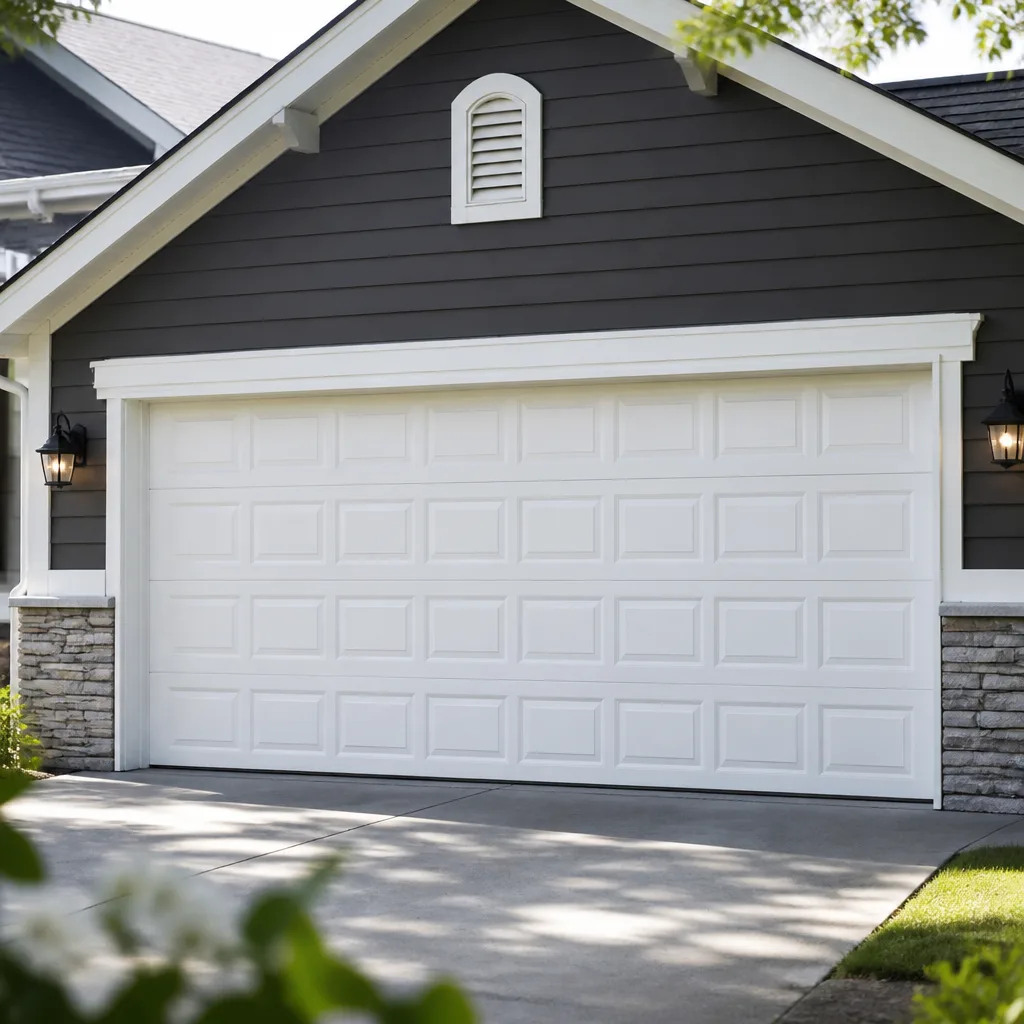 Raised-panel steel
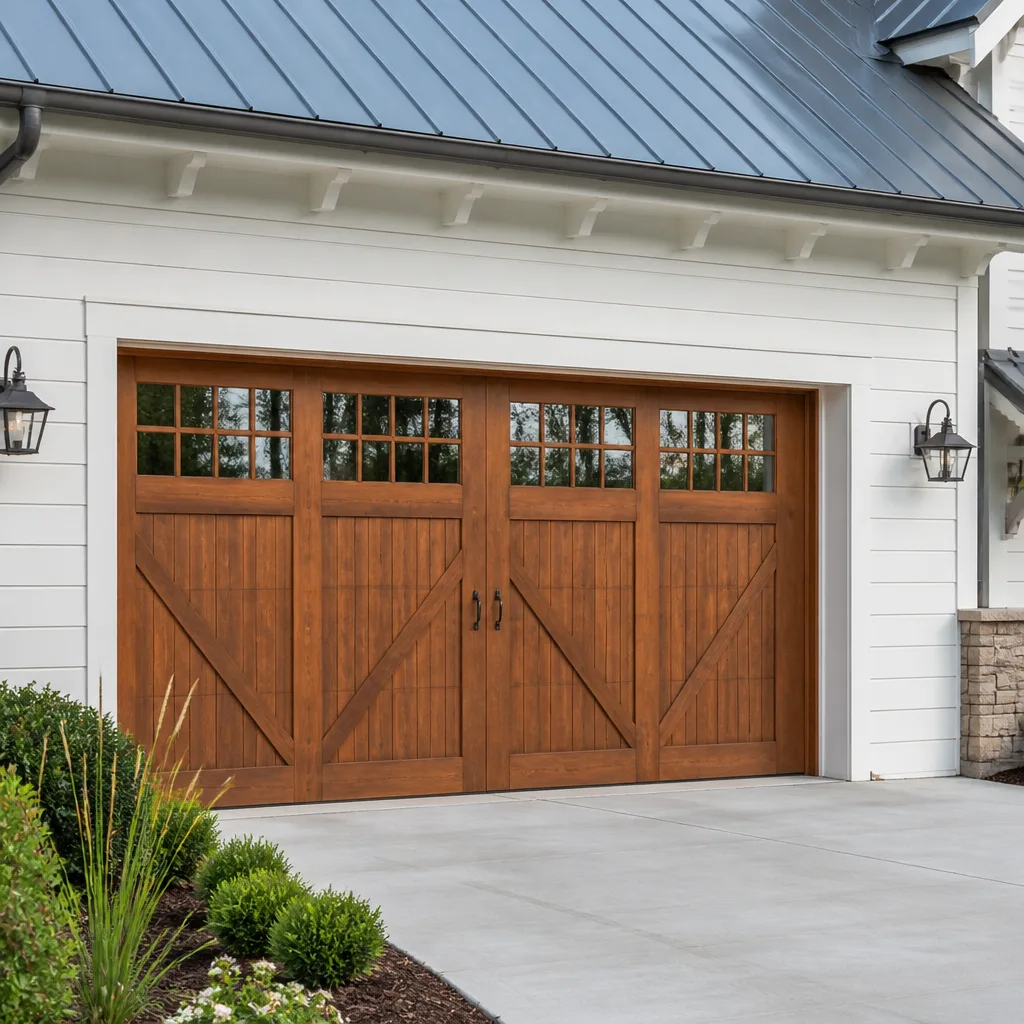 Carriage house
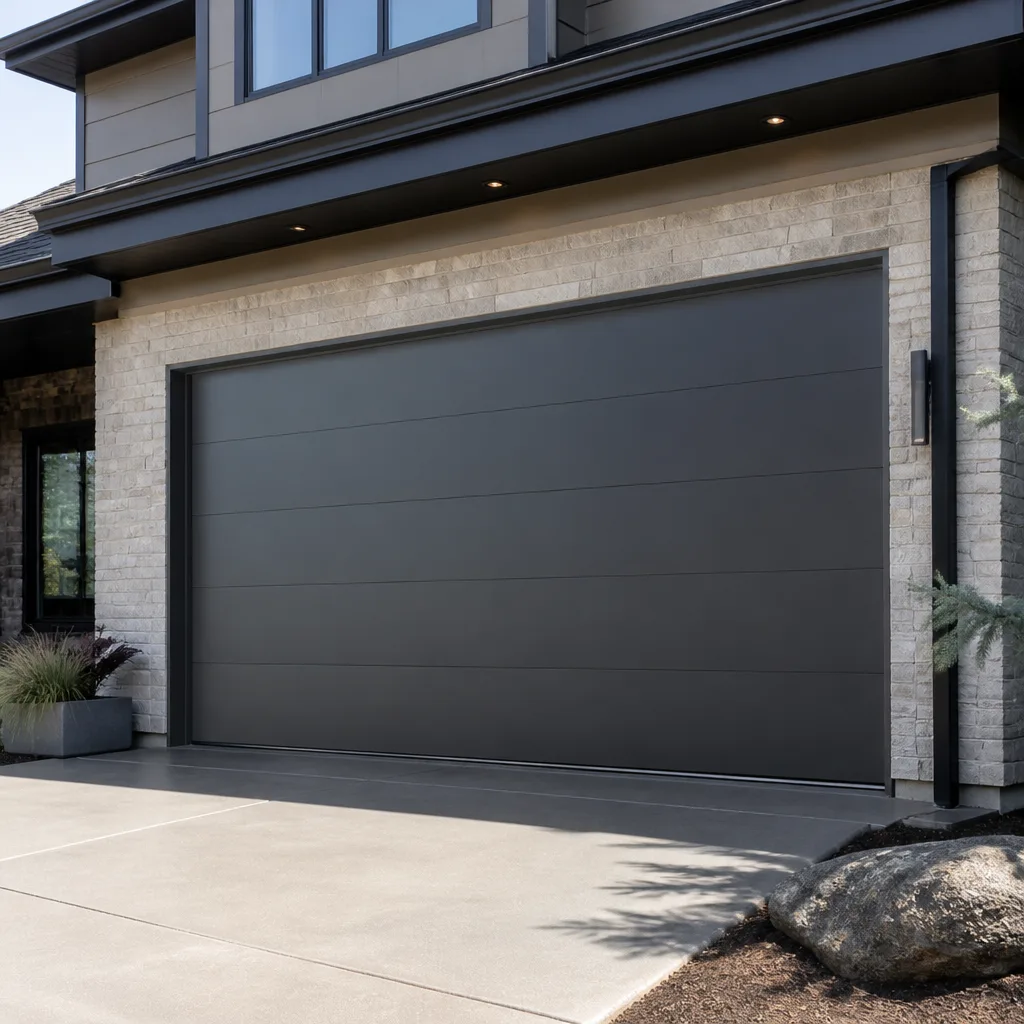 Modern flush
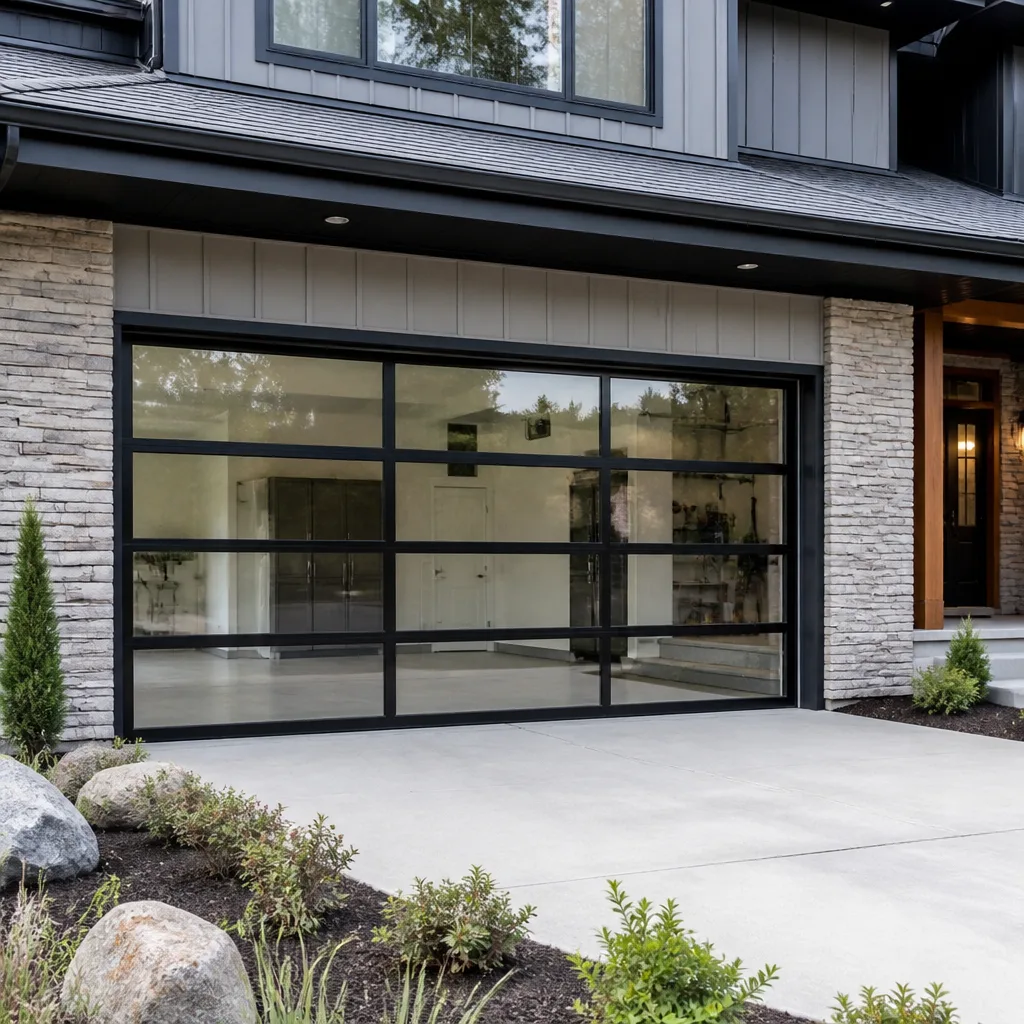 Full-view glass
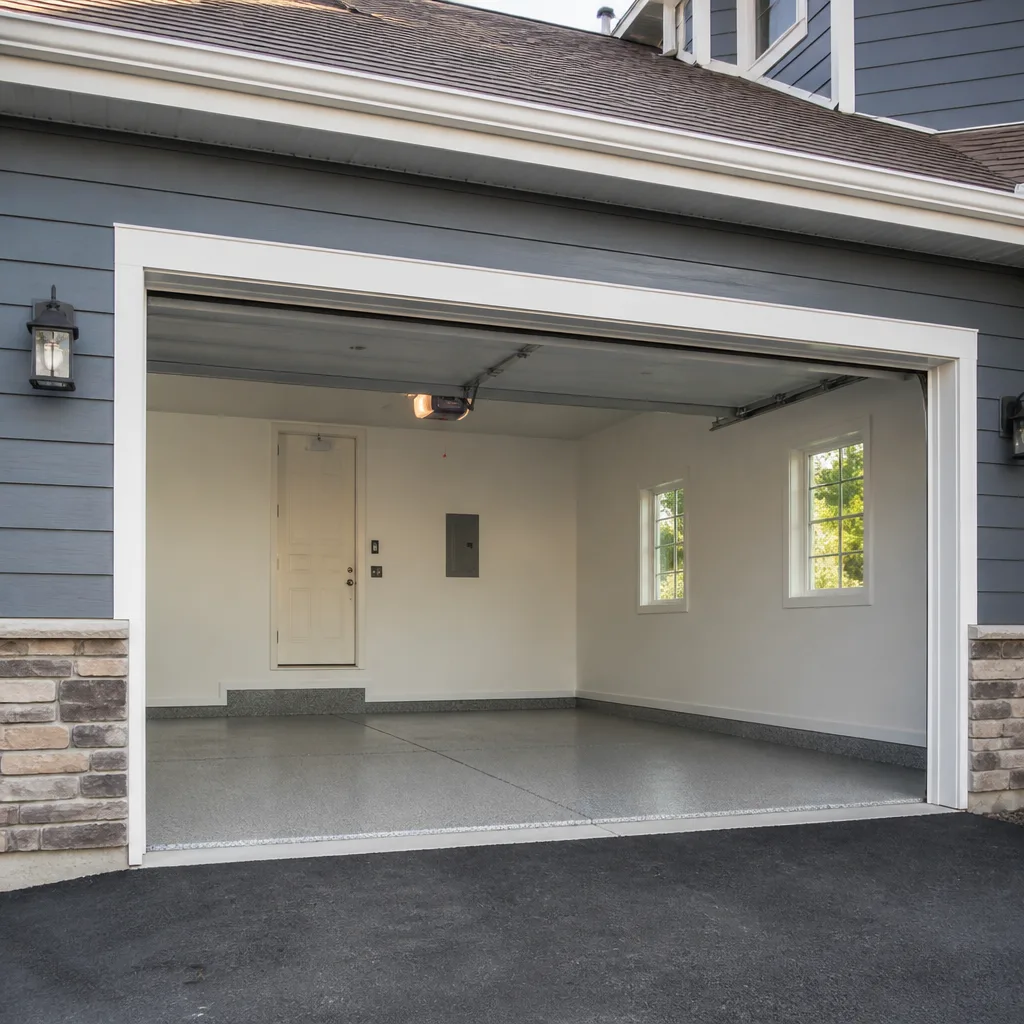 LiftMaster openers
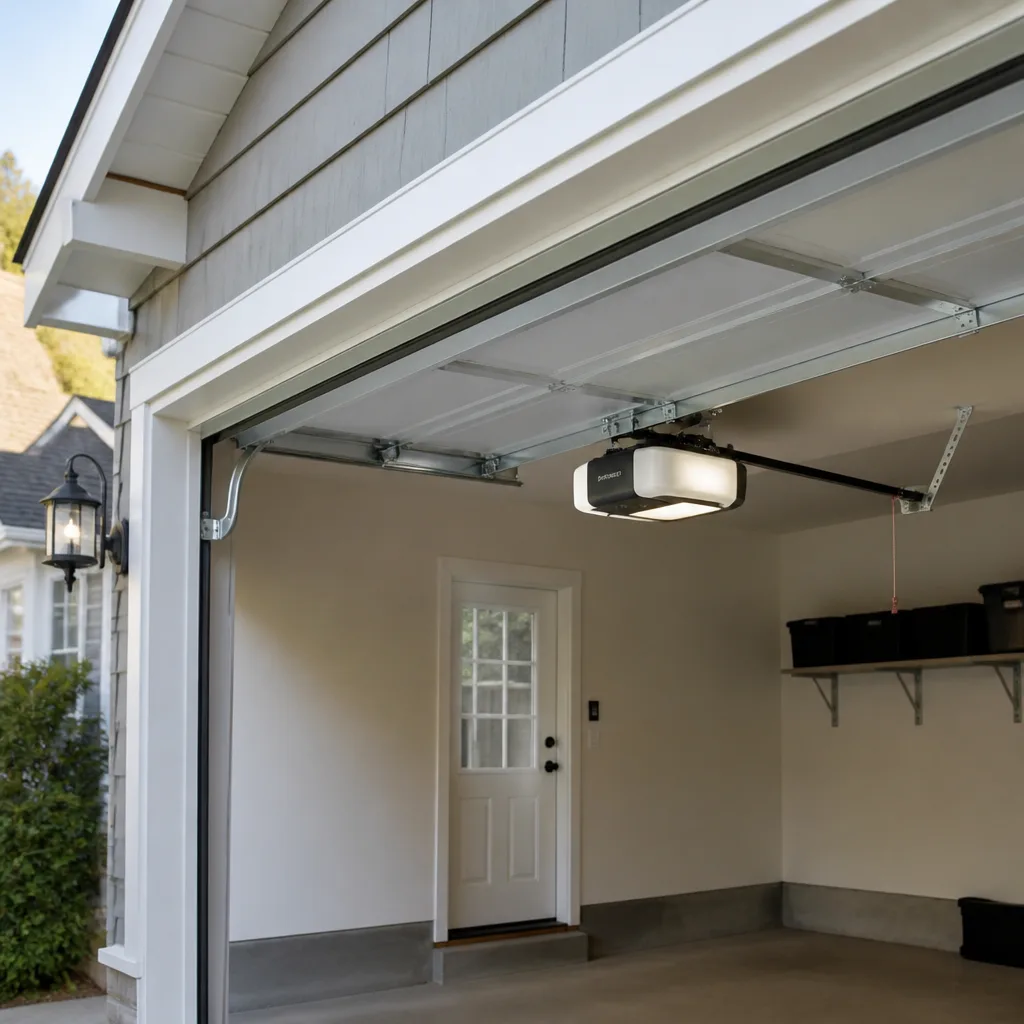 Chamberlain openers
Full 25-point door and opener safety check with every visit - springs, cables, rollers, tracks, and your LiftMaster or Chamberlain opener included
You get a price before we start. It does not change when the pro arrives.
Get your free estimateGarage Door Emergency Preparedness Guide for Cambridge Homes
Most garage door “emergencies” aren’t emergencies at all. They’re a spring that gave out three months after it started grinding, a door left half-open because the opener quit, or a roller that jumped the track after a bad bump. The real trouble starts when a homeowner can’t tell which one they’re dealing with and treats all three the same way. That’s how a simple repair turns into a bent panel, a stripped opener gear, or a door that won’t close at all. This guide sorts Cambridge garage door failures into three categories, gives each one its own protocol, and walks through the five-minute decisions that actually matter. By the end you’ll know what to do, what not to touch, and when to call for help.
Styles & brands we work with
- Raised-panel steel
- Carriage house
- Modern flush
- Full-view glass
- LiftMaster openers
- Chamberlain openers
Quick Answer
Garage door emergencies in Cambridge fall into three types: door stuck open (a security concern), door stuck closed (an access problem), and door off-track or partially collapsed (a safety hazard you should not touch). For a stuck-closed or stuck-open door, the manual release cord lets you operate the door by hand until a technician arrives. For an off-track or collapsed door, keep everyone clear and call for service. We answer 24/7 and run fast dispatch from 7am to 7pm, Sunday through Friday.
Table of Contents
- The Three Types of Garage Door Emergencies
- Door Stuck Open: Security Protocol
- Door Stuck Closed: Access Protocol
- Door Off-Track or Collapsed: Safety Protocol
- Using the Manual Release: Chain, Belt, and Screw Drive Differences
- Securing a Door That Lost Spring Tension
- What to Have Ready When You Call
- Preventing the Three Most Common Emergencies
- Common Mistakes to Avoid
- When to Call a Professional
- Frequently Asked Questions
- The Bottom Line
The Three Types of Garage Door Emergencies
Before you touch anything, classify what you’re looking at. Every garage door problem we’re called about in Cambridge fits one of these three buckets, and the right response is different for each:
- Door stuck open. The door is up and won’t come down, or it comes down partway and reverses. Your home is exposed. The protocol is about securing the opening quickly while you sort out the repair.
- Door stuck closed. The door is down and won’t lift. Your car is trapped and your usual entry is blocked. The protocol is about safe manual operation until a technician can diagnose the opener or spring.
- Door off-track, partially collapsed, or with a snapped spring. The door is hanging at an angle, a cable is loose, or you heard a loud bang and the door won’t balance. This is a genuine safety hazard. The protocol is simple: don’t operate it, don’t try to lift it, and call for a trained technician.
The mistake we see most often is treating category three like category one or two. A door with a snapped torsion spring or a cable off its drum can look perfectly normal from the outside. Lift it by hand and it can come down hard. Torsion springs and the cables they tension carry enough stored force to cause serious injury, which is why neither is a homeowner repair. If you’re unsure which bucket you’re in, assume it’s the third one and keep your hands off the door. A technician from Ashford Garage Door Repair can look at the same door and tell you within minutes which category it belongs to, because we work on garage door systems every day and nothing else.
Door Stuck Open: Security Protocol
A door that won’t close leaves your home open to the street, so the goal is to get it down safely and keep it down. Here’s the sequence:
- Check the safety sensors first. The two small lenses near the floor at each side of the opening are the most common reason a door comes down partway and reverses. Look for anything blocking the beam: a shovel, a recycling bin, a bicycle wheel, a leaf pile. Wipe the lenses with a dry cloth if they look cloudy.
- Try the wall button, not just the remote. If the wall button works but the remote doesn’t, you have a remote or receiver problem, and the door will still close from inside.
- Use the manual release if the opener is unresponsive. Pull the release cord and lower the door by hand until it meets the floor. Details on how the release behaves for different opener types are in the manual release section below.
- Lock it down. Many doors have a manual slide bolt or a locking bar on the inside that physically holds the door closed when the opener is disengaged. If yours doesn’t, a pair of locking pliers clamped on the vertical track above a roller can hold the door temporarily, but only as a stopgap until a technician arrives.
In Cambridge, doors left open overnight on a street-facing garage are the ones that get noticed, and winter weather makes it worse. A door that opens and won’t close after a cold snap often points to a limit switch that’s drifted or a travel adjustment that needs resetting, both of which are quick fixes once a technician sees the opener. If your LiftMaster or Craftsman opener is throwing a light code, that code tells us exactly what it thinks is wrong before we arrive.
Door Stuck Closed: Access Protocol
A door that won’t lift usually comes down to three things: a dead opener, a broken spring, or a door that’s been manually locked from the inside. Work through them in this order:
- Confirm the opener has power. Check the outlet the opener plugs into, and the breaker feeding the garage. If the opener is silent with no light and no click, power is the place to start.
- Look for the manual lock. Some doors, especially older Wayne Dalton and Raynor models, have a slide lock or a locking handle on the inside that engages a track. If the opener tries to lift and the motor hums without movement, a lock or a jammed trolley is a likely culprit.
- Test the balance by hand. Disengage the opener with the release cord and lift the door about halfway. A well-balanced door stays where you put it. A door that feels extremely heavy, won’t stay up, or slams back down has a spring problem. Stop there and call a technician. Springs are under high tension and not a homeowner job.
- Check the opener’s error indicators. Most modern openers have a diagnostic LED that blinks a pattern. Counting the blinks tells a technician what the opener’s control board has detected, which shortens diagnosis considerably.
If the door lifts fine by hand but the opener won’t move it, the problem is almost always in the opener: a stripped gear, a failed capacitor, a bad logic board, or a trolley that’s come loose from the carriage. These are repairable on most of the major brands, and we work on LiftMaster, Chamberlain, Genie, Craftsman, and the rest rather than pushing a replacement. If a call comes in on a Saturday, we’re closed that day, so we’ll book the visit for Sunday, one of the days we dispatch from 7am to 7pm.
Door Off-Track or Collapsed: Safety Protocol
This is the category where doing nothing is the right move. If you see any of the following, stop and call a technician:
- A roller that’s jumped out of the track, or a track that’s visibly bent
- A door hanging at an angle, with one side higher than the other
- A snapped torsion spring (a loud bang followed by a door that won’t lift)
- A cable that’s come off its drum, or a cable hanging loose
- A door panel that’s cracked or buckled
Do not try to lift the door by hand. Do not try to push a roller back into the track. Do not try to remove or replace a torsion spring or a cable. A torsion spring under load stores enough force that a slip can cause a serious injury, and a door that’s off its track can come down unexpectedly even if it looks stable. Keep children and pets out of the garage, and if the door is partially open, keep the area underneath clear. A trained technician has the correct winding bars and the technique to release spring tension safely.
For off-track doors we also check the panels for damage before we reset anything. A door that’s been forced back into a track will often work for a while and then fail again, because the panel or the hinge is bent and the door no longer runs true. If the damage is significant, the honest answer may be that repair costs more than a new door, and we’ll say so. Our garage door repair service covers everything from a single roller to a full track realignment, so the assessment and the fix come from the same specialist.
Using the Manual Release: Chain, Belt, and Screw Drive Differences
The manual release cord disengages the door from the opener so you can open and close it by hand. Every opener has one, usually a red handle hanging from the trolley on the rail. The release itself works the same way on all three drive types, but what happens to the door afterward is different:
- Chain drive. Pull the cord firmly and slightly toward the door. The trolley separates from the carriage. When you re-engage it, the chain will move with the door, so be aware that lifting the door by hand will run the chain along the rail. That’s normal.
- Belt drive. The release behaves the same, but the belt is quieter and has less developed momentum. When you re-engage after a manual operation, lift the door slightly by hand and pull the cord toward the opener to reset the trolley. It should click into place.
- Screw drive. The release trolley rides on a threaded rod rather than a chain or belt. Pull the cord, operate the door by hand, then re-engage by moving the door so the trolley meets the carriage and pulling the cord toward the opener until it latches.
If pulling the cord doesn’t disengage the door, don’t force it. A trolley that’s jammed or a release that’s stuck usually means the carriage has corroded or the spring has failed and the tension on the door is holding it. In either case, the right move is to leave it and call for service. Our garage door opener repair service covers every drive type and every major brand, so we’re familiar with how a given opener is supposed to feel before we start.
Securing a Door That Lost Spring Tension
If your door won’t stay up on its own, you might want to secure it temporarily, either to get your car out or to close up for the night. Here’s what’s safe to use and what isn’t:
- Safe: A pair of locking pliers clamped on the vertical track just above a roller, on both sides if the door is heavy. This prevents the door from sliding down the track.
- Safe: A proper manufactured door prop, if you have one, placed on the track below a roller.
- Safe: A hardwood or steel bar placed under the door across its full width, if the door is fully open and the bar can’t slip.
- Not safe: A screwdriver, wrench, or any tapered tool, which can slip and throw the door down. Never use anything with a pointed end.
- Not safe: A pre-cut board that only covers part of the door’s width, or a board that’s been cut with a diagonal. The weight of the door needs to be spread across the full width.
- Not safe: Anything you’d have to reach under the door to place. If placing a prop means putting your head or hands under a door that could drop, don’t do it.
Propping is a stopgap, not a fix. A door with a broken spring should be treated as unstable until a technician has looked at it. If you’re in Cambridge and you’re not sure whether the door is balanced, the safer choice is to leave it closed and call us rather than prop it open.
What to Have Ready When You Call
The quality of your first call determines how quickly a technician can diagnose the problem. Have these five things ready before you dial:
- The door’s brand and age. If you don’t know, look for a sticker or plaque on the opener housing or the bottom panel. Even “it’s a LiftMaster with a purple button” narrows things down.
- What the opener does when you press the button. Silence? A hum? A click? A light that blinks? Each tells a technician a different story.
- The last thing that happened before the failure. A loud bang, a door that closed on an object, a power flicker, or nothing at all.
- A photo of the door from the driveway and of the opener from inside the garage. If you can send them before the technician arrives, it saves a diagnostic step.
- The door’s condition. Is it hanging straight? Is the bottom panel on the floor? Are both sides level?
On response times: Cambridge isn’t a huge city, so our typical pattern is that a call placed in the morning gets a technician out the same day where scheduling allows, and a call placed late in the evening gets booked into the next available dispatch window. We answer 24/7. Fast dispatch from 7am to 7pm, Sunday through Friday. If a door fails on a Saturday, call and we’ll get it on the schedule for Sunday.
Preventing the Three Most Common Emergencies
Most of the failures we’re called about in Cambridge follow predictable patterns. Here’s how to head them off:
- Service the springs before they snap. A torsion spring usually gives a warning: a door that feels heavier than it used to, a door that only opens halfway, or a door the opener has to strain to lift. If you notice any of these, have a technician look at the balance before the spring fails outright. Spring replacement is a routine job; a failed spring mid-winter with your car inside is an emergency.
- Check the safety sensors monthly. Wipe the lenses and clear the floor area in front of them. The single most common “emergency” call we get is a door that reverses because a sensor is blocked or the sun is shining directly into one lens.
- Lubricate the moving parts twice a year. The rollers, hinges, and tracks need a garage-door lubricant. A door that squeals and grinds has dry parts, and dry parts wear faster. It’s a fifteen-minute job.
- Test the balance quarterly. Disengage the opener, lift the door halfway, let go. A balanced door stays put. A door that drops has spring tension that’s fading.
- Keep the opener’s travel and force settings in check. If the door is reversing for no reason, or stopping short, the travel limits need adjustment. It’s usually a small fix, but it’s worth doing before it becomes a door that won’t close at all.
Cambridge homes tend to lean toward three of the brands we see most often: LiftMaster, Wayne Dalton, and Craftsman openers. Each has a known set of failure points as it ages, and knowing the brand before we arrive lets us diagnose faster. Our technicians have up to 15 years of experience, so the first thing we do is usually a quick visual scan that tells us what the opener’s log or LED pattern will say before we even read it.
Common Mistakes to Avoid
- Lifting an off-track door by hand. A door with a stuck or bent roller can come down suddenly, and the force of a garage door is far more than most people expect. Leave it to a technician with proper tools and the correct handling technique.
- Cutting a broken spring loose. A torsion spring under tension can release with enough force to cause serious injury, and the tools needed (winding bars) aren’t something most homeowners have. Always call a trained technician for spring work.
- Using the wall button repeatedly when a door won’t move. If the opener hums without moving the door, holding the button down can burn out the motor or strip the gear. Try it once, then stop.
- Propping a door on a part-width board or a screwdriver. A short prop can slip sideways, and the door drops. Use a full-width bar or a manufactured prop, or leave the door closed and call us.
- Assuming the door is fine because it looks straight. A snapped spring isn’t always visible. A door that opened and closed normally yesterday and won’t lift today may have lost its spring, and the tension is now zero. Don’t test it by lifting.
- Buying a new opener when the problem is the sensor. A door that reverses right after closing is usually a safety-sensor issue, not an opener failure. We diagnose the root cause; we don’t replace parts that don’t need replacing.
- Using a general handyman for a spring or off-track repair. Those two jobs require a specialist’s tools and technique. A general contractor with the wrong equipment is far more likely to cause secondary damage than to fix the door.
When to Call a Professional
Call us when the problem is a snapped spring, a door that’s off its track, a cable off its drum, a panel that’s buckled, or an opener that’s humming or clicking without moving the door. Those are all jobs that should be handled by a specialist, either because of injury risk or because the wrong repair leads to a second failure. Also call us if a door that was stuck closed has now been manually operated but won’t re-engage with the opener, or if your door reverses every time it tries to close and the sensors are clear. We handle garage door repair and full installations across the eight leading brands, so if repair isn’t the right answer we can tell you honestly and quote a replacement. Ashford Garage Door Repair offers free estimates in Cambridge. Call (866) 361-7938.
Frequently Asked Questions
Check the opener’s power and look for a manual lock on the inside of the door before anything else. If the opener is silent, confirm the outlet and breaker are live. If the opener hums but the door won’t lift, disconnect it with the release cord and try lifting the door by hand. If it’s very heavy or won’t stay halfway up, the spring has likely failed and you should call a technician. Call (866) 361-7938. We answer 24/7. Fast dispatch from 7am to 7pm, Sunday through Friday.
Yes, in the sense that the door should not be operated until a technician looks at it. A snapped torsion spring means the door is no longer balanced, and lifting it by hand can cause a sudden drop. It doesn’t require a 3am call, but it does require prompt service. We answer 24/7 and can schedule the visit for the next available dispatch window, Sunday through Friday.
Torsion spring replacement is priced per spring, and a matched pair is usually replaced together because the springs wear together. The written estimate sets the final price, and the estimate is free. Call (866) 361-7938 for an exact quote for your door.
Often, yes. A call placed in the morning usually gets a same-day visit where the schedule allows, and we run fast dispatch from 7am to 7pm, Sunday through Friday. We’re closed Saturday, so a Saturday call gets booked into Sunday. Call (866) 361-7938 for an exact appointment.
A stuck-closed door isn’t moving but is still sitting square in its tracks, so it’s usually safe to disconnect and operate by hand. An off-track door has a roller out of the track or a bent track, and operating it can cause a collapse or injury. If the door is hanging at an angle or the track is visibly bent, don’t touch it. Call (866) 361-7938.
No surprise charges. We quote the job before any work starts, and the written estimate is the price. If the problem turns out to be bigger than expected, we tell you before we do anything further, and you decide. Call (866) 361-7938 for a free estimate in Cambridge.
Yes. Our technicians are trained on the eight leading residential garage door brands and are insured. Our technicians have up to 15 years of experience, so we’ve seen the failure patterns for your door before we arrive. Call (866) 361-7938.
The Bottom Line
The most important thing to remember is that not every garage door emergency is the same. A stuck-open or stuck-closed door usually has a protocol: check the sensors, try the manual release, secure the door. An off-track door, a snapped spring, or a loose cable is a different situation, and the protocol is to keep your hands off and call. Cambridge homeowners can avoid most emergencies by checking the springs during the fall, testing the balance every few months, and watching for a door that suddenly feels heavier. If something isn’t right, don’t wait for it to break. Call Ashford Garage Door Repair at (866) 361-7938 for a free estimate. We answer 24/7. Fast dispatch from 7am to 7pm, Sunday through Friday.
Written by the team at Ashford Garage Door Repair.
See the difference
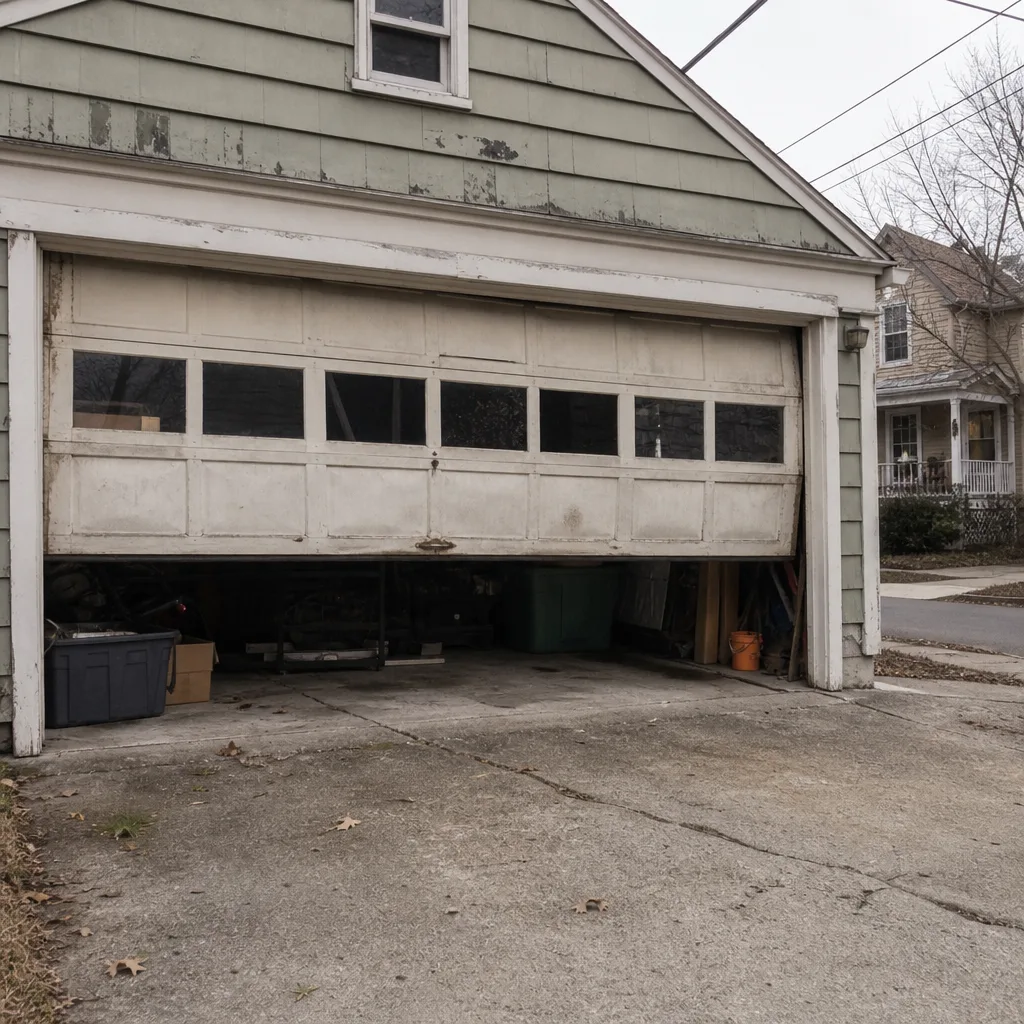 Before
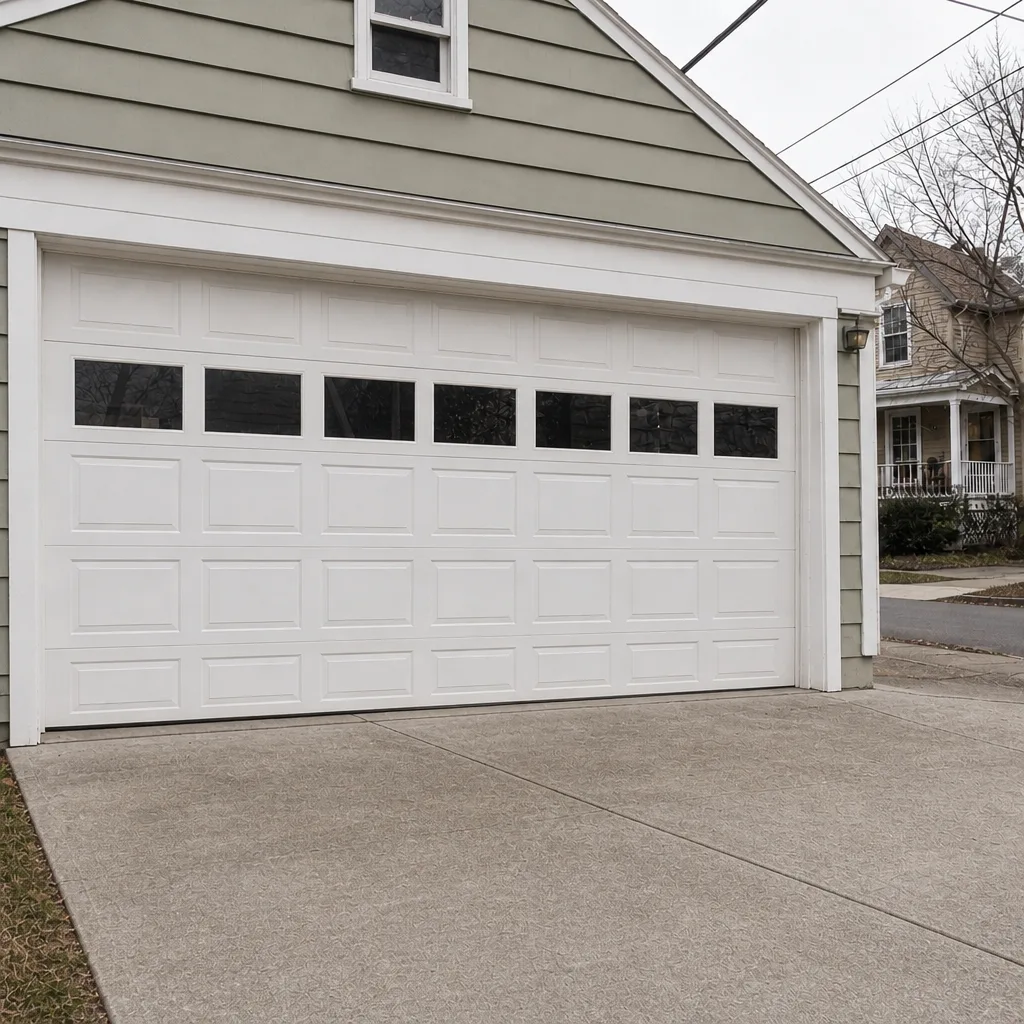 After
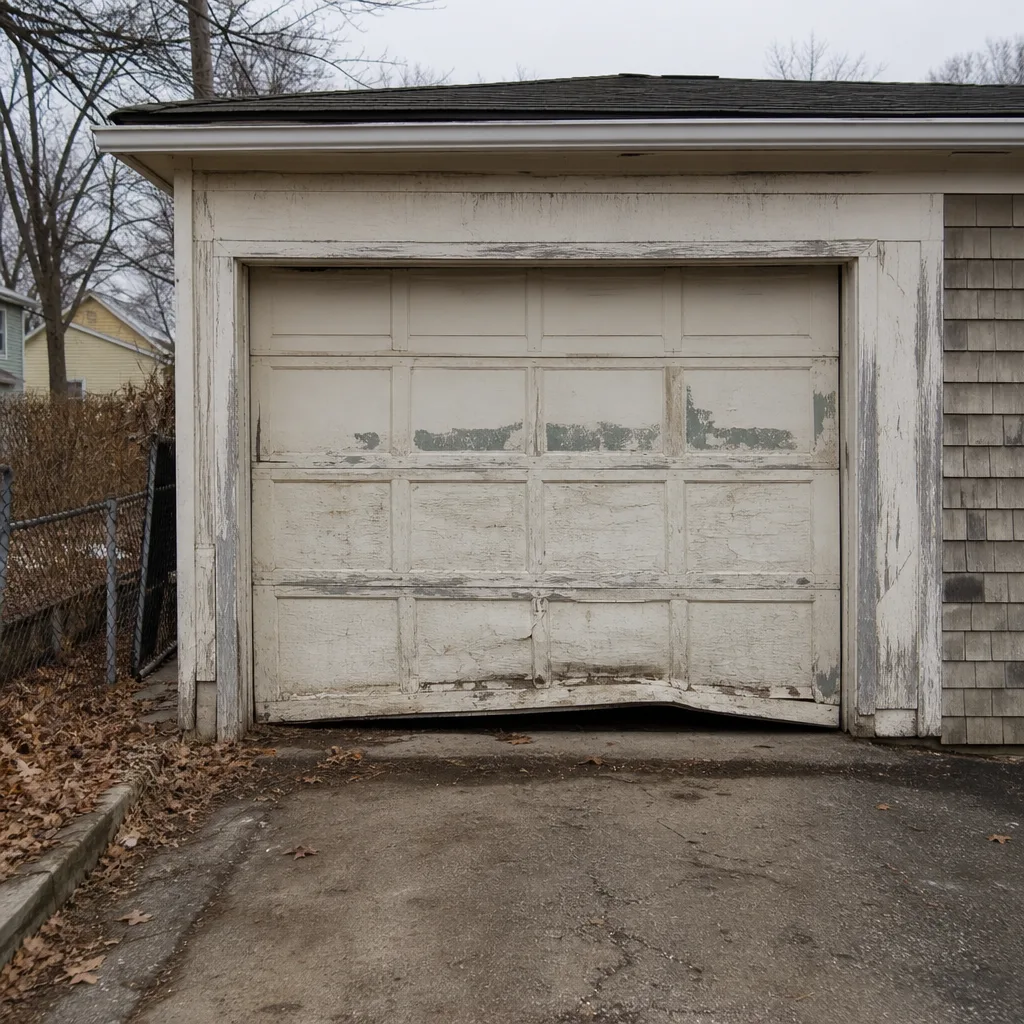 Before
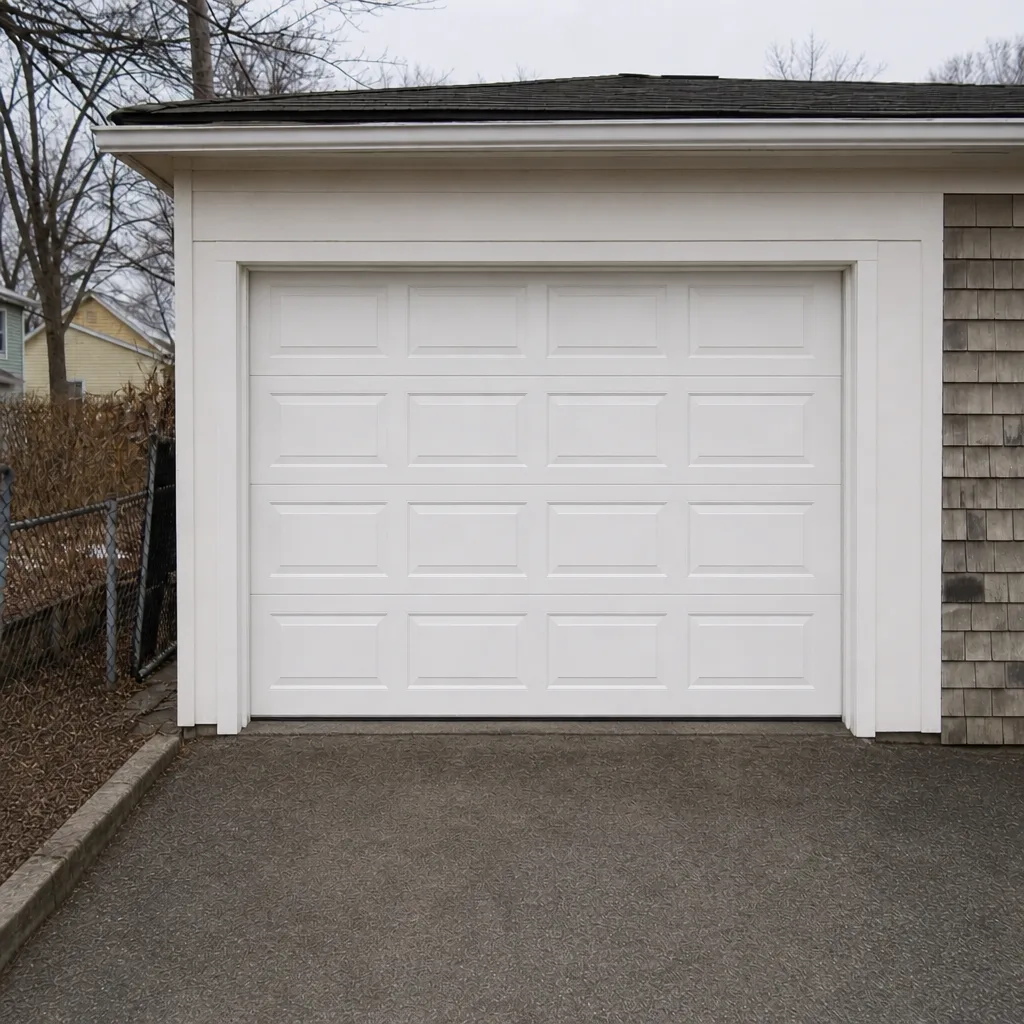 After
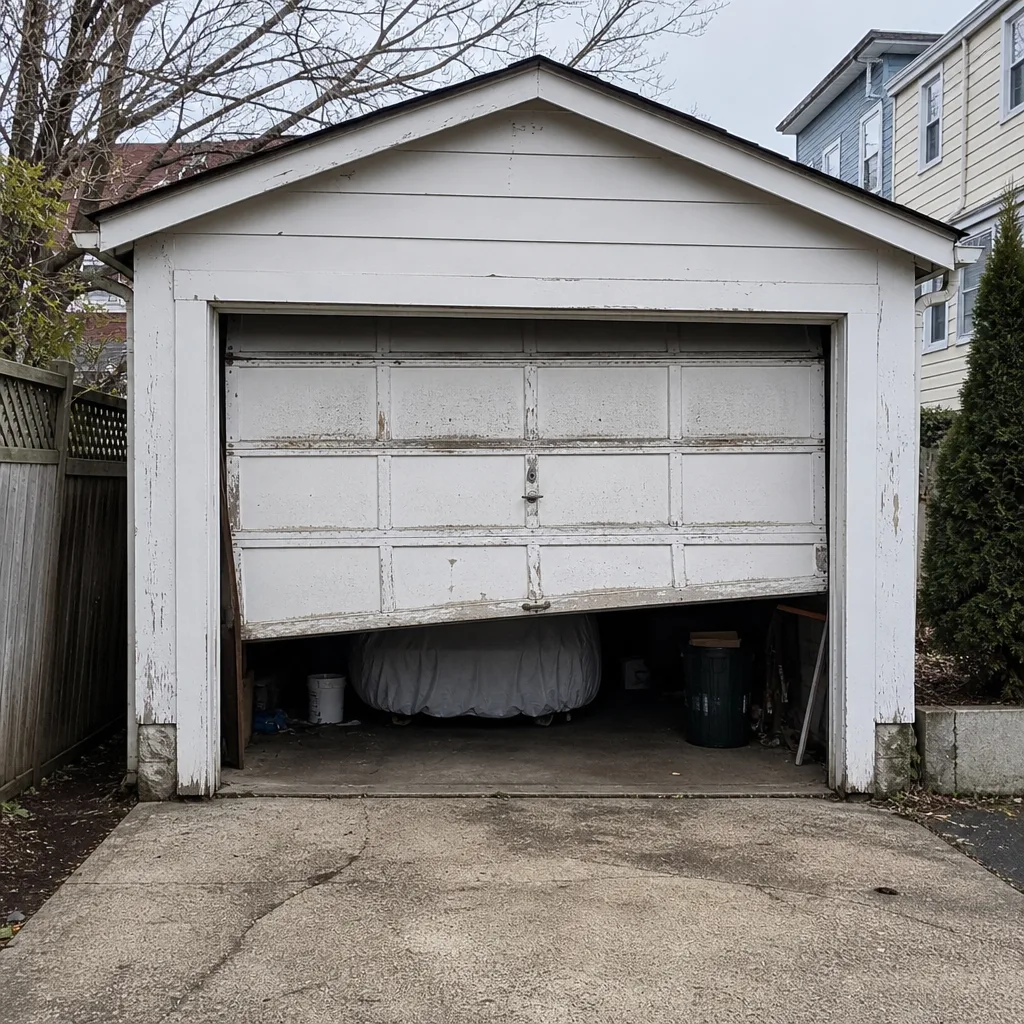 Before
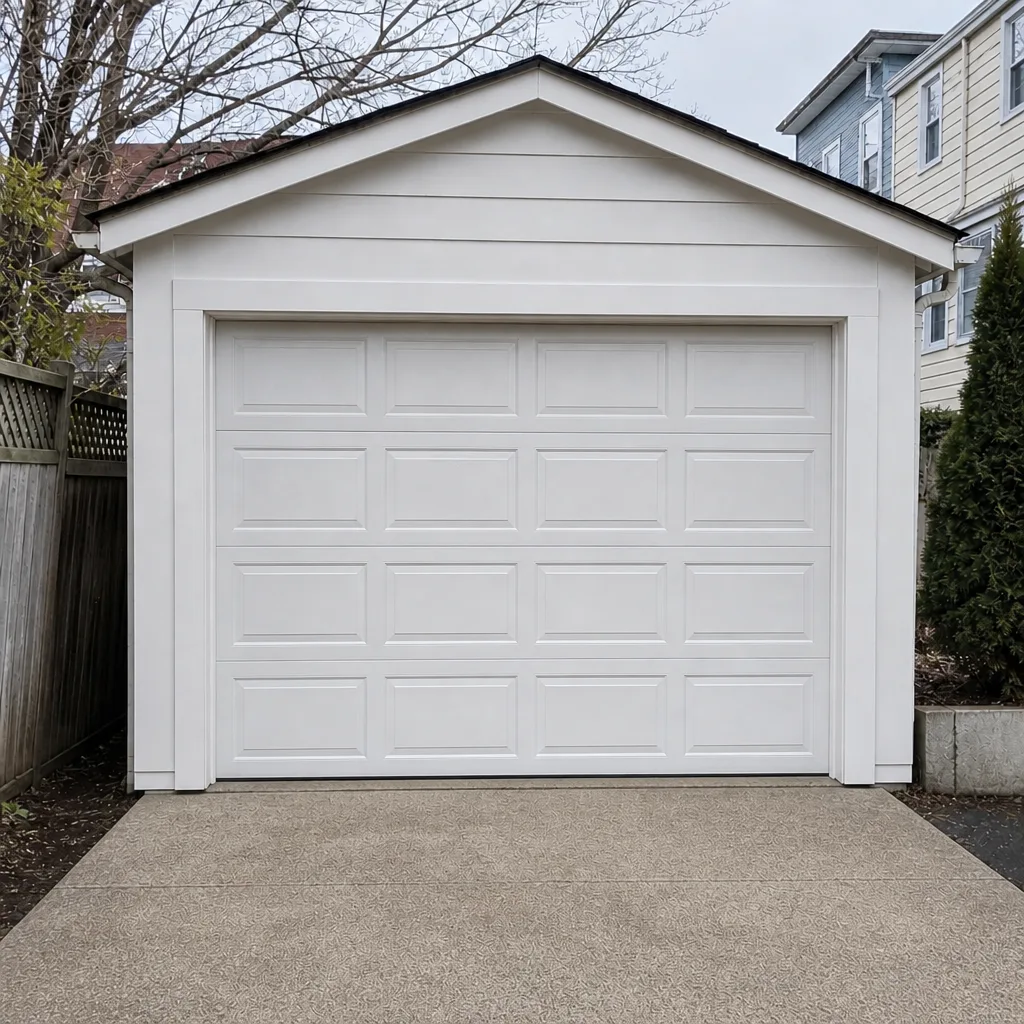 After