
Last updated November 15, 2026
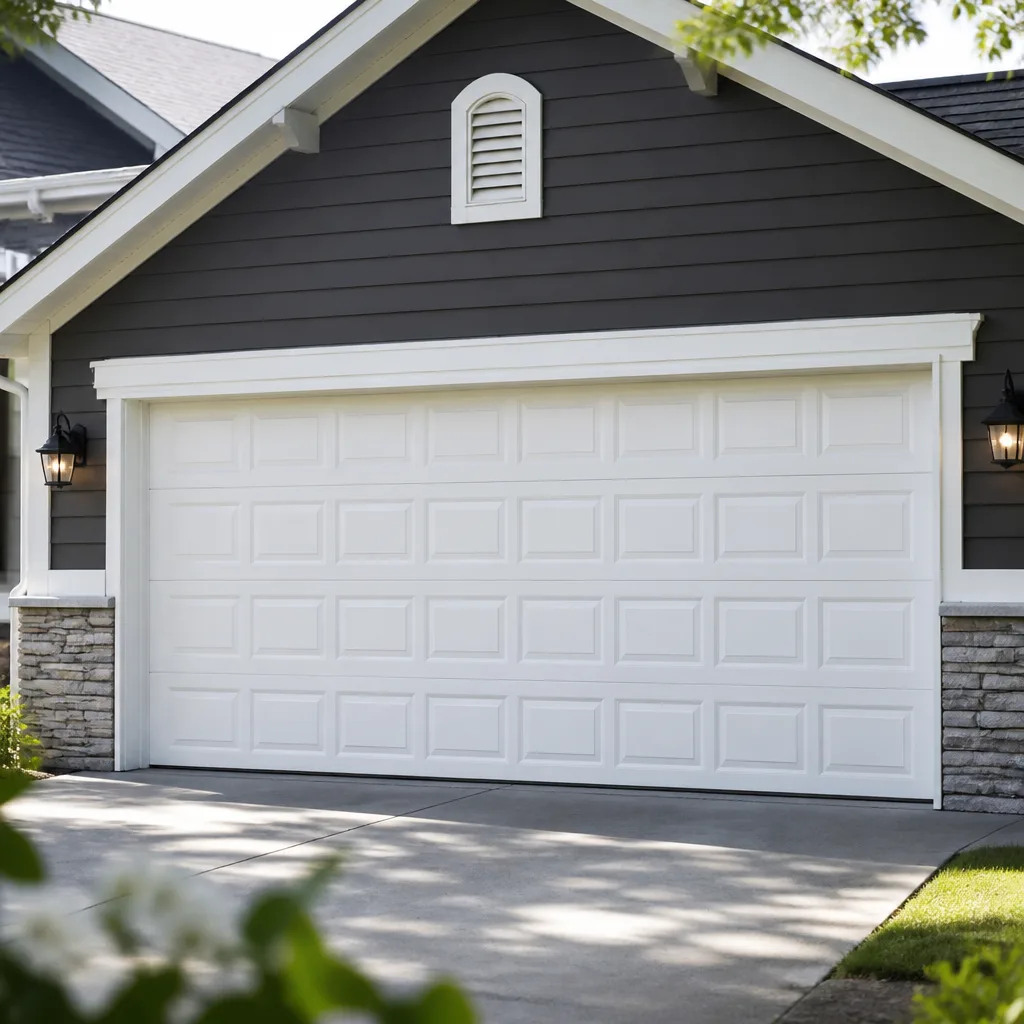 Raised-panel steel
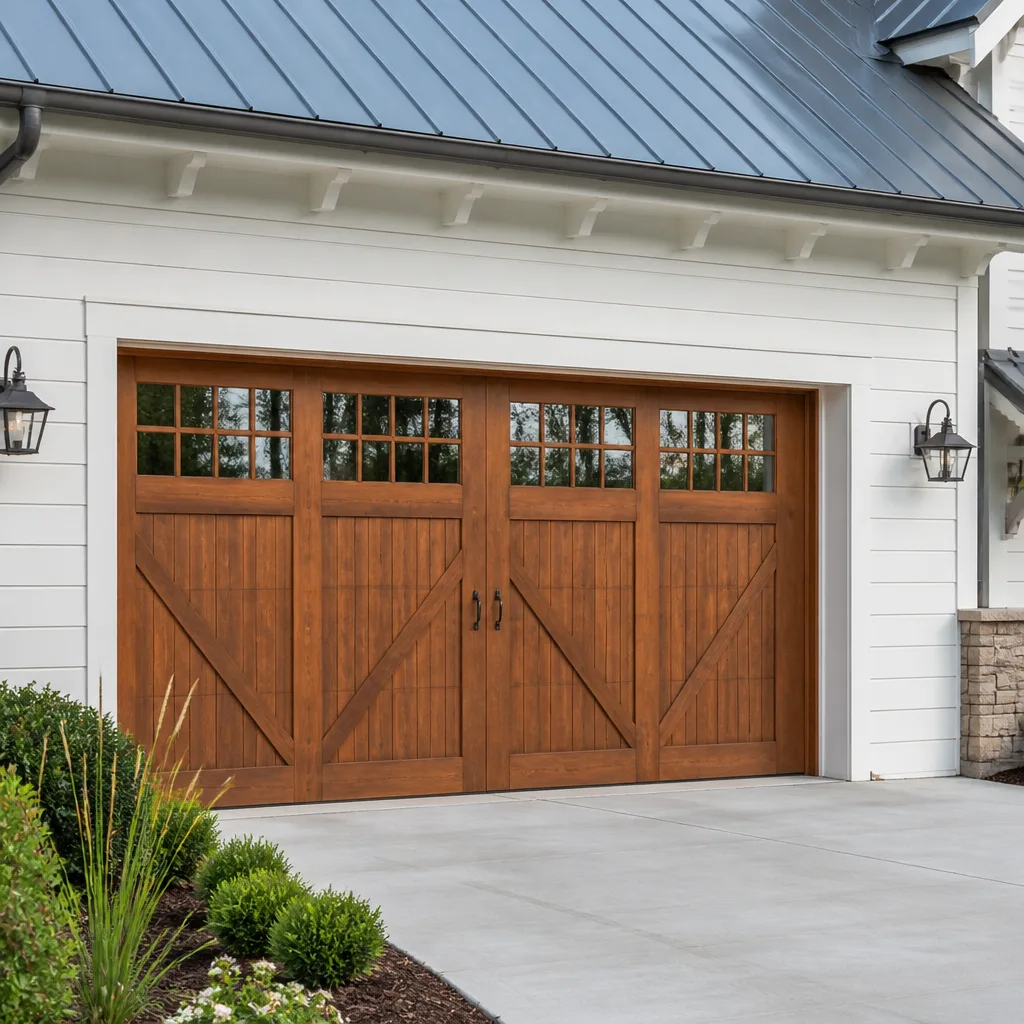 Carriage house
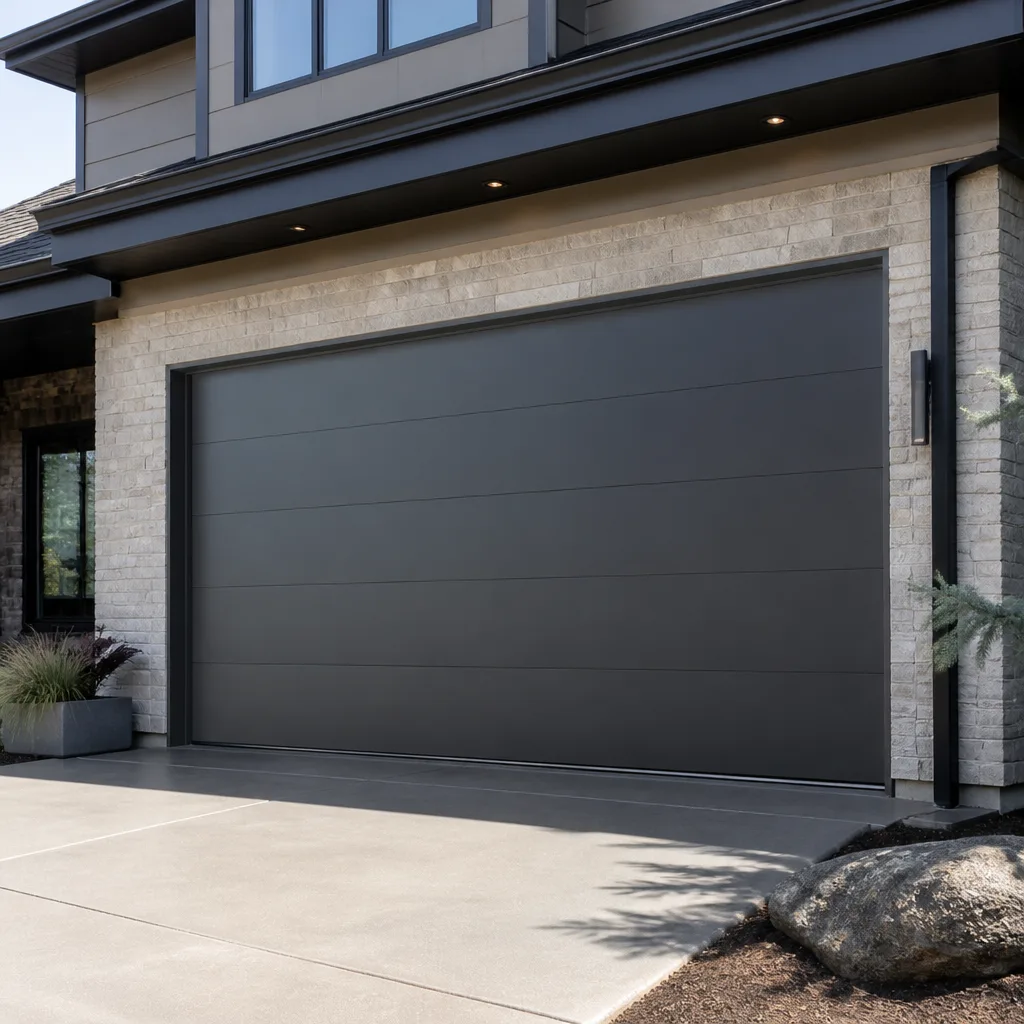 Modern flush
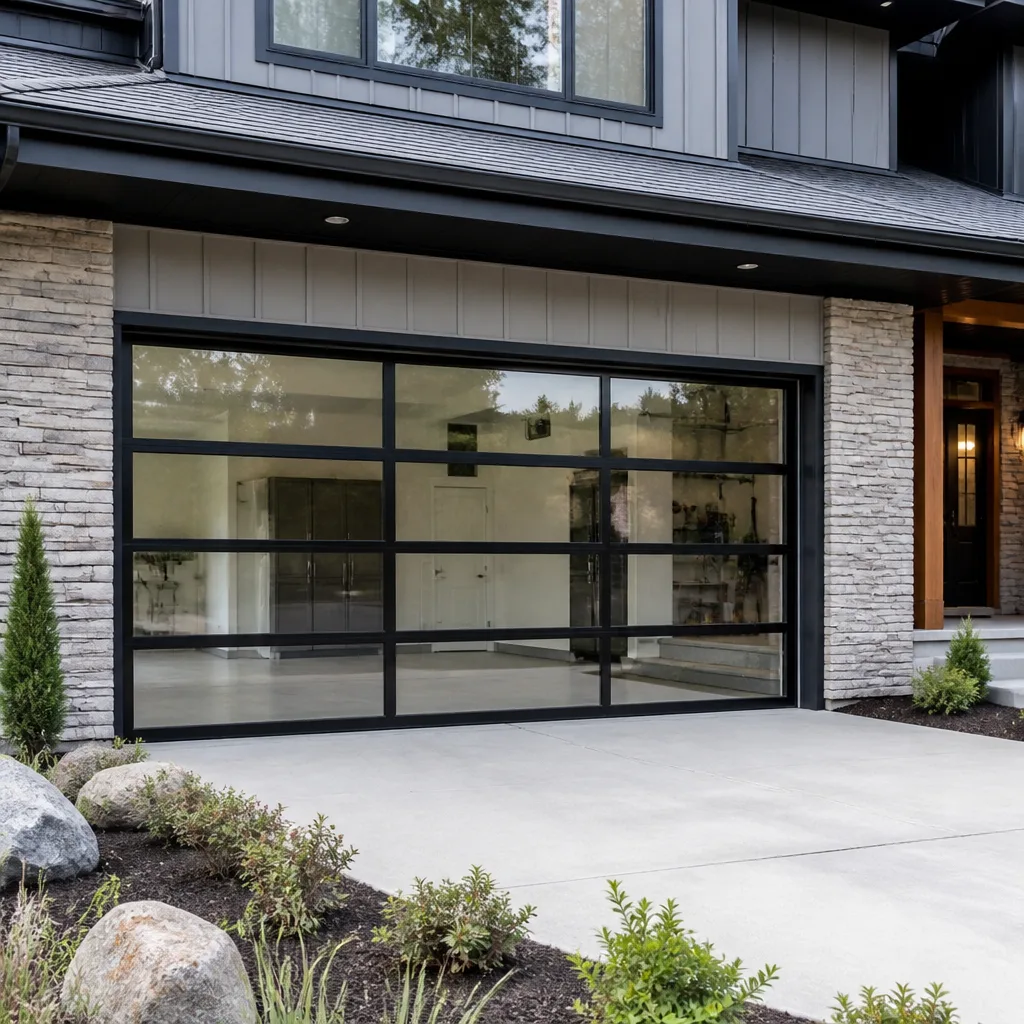 Full-view glass
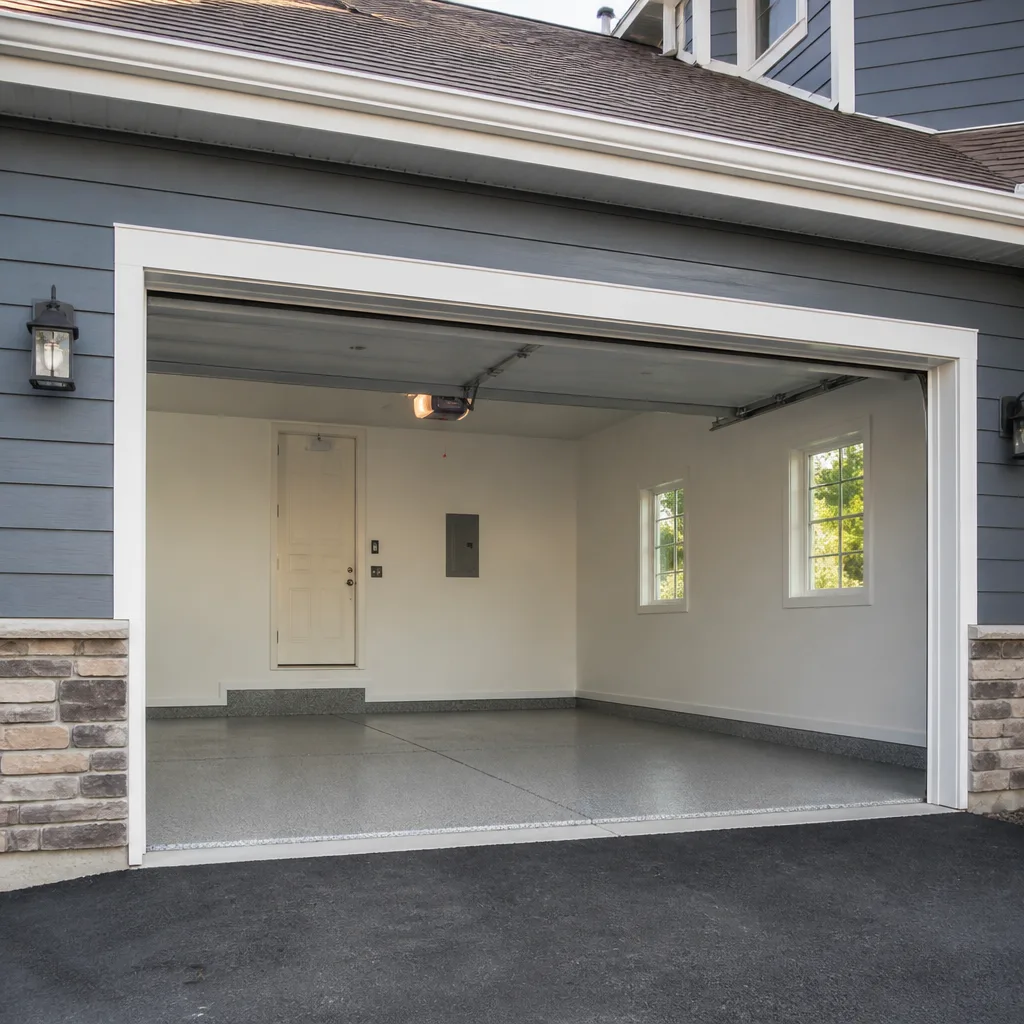 LiftMaster openers
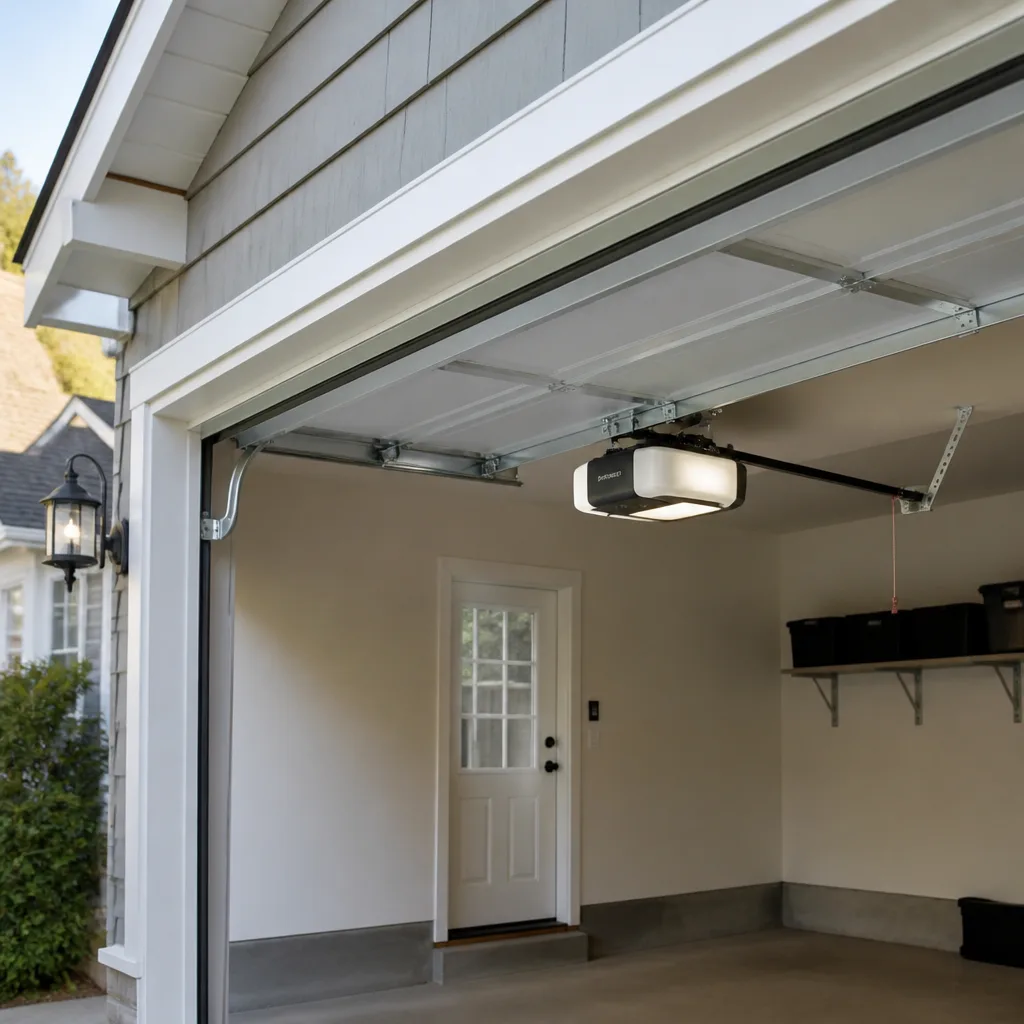 Chamberlain openers
Full 25-point door and opener safety check with every visit - springs, cables, rollers, tracks, and your LiftMaster or Chamberlain opener included
You get a price before we start. It does not change when the pro arrives.
Get your free estimateGarage Door Permits, Codes & Inspections in Cambridge, MA: What You Need to Know
Most Cambridge homeowners get the permit question exactly backwards. A like-for-like panel replacement that feels like a big deal is usually maintenance-exempt. Widening the rough opening by four inches to fit a modern SUV is the job that needs Inspectional Services. Getting that backwards costs time and money in both directions: people delay simple repairs waiting on a permit they never needed, or they tear into framing and create an unpermitted structural change that surfaces during a home sale. This guide draws the line clearly, covering Cambridge building permits, Massachusetts code, electrical permits for openers, historic district review, and what an inspector actually looks at.
Quick Answer
In Cambridge, like-for-like garage door replacement and routine repair (panels, springs, rollers, tracks, openers swapped on an existing circuit) are treated as maintenance and do not require a building permit. Work that alters the structure, changes the door’s size or opening, changes how the garage separates from living space, or adds a new electrical circuit does require a permit from the Inspectional Services Department, plus a certificate of appropriateness in a historic district.
Styles & brands we work with
- Raised-panel steel
- Carriage house
- Modern flush
- Full-view glass
- LiftMaster openers
- Chamberlain openers
Table of Contents
- When does garage door work need a building permit in Cambridge?
- What counts as permit-exempt maintenance?
- How does the Massachusetts State Building Code apply?
- What triggers an electrical permit?
- Historic district review: when it applies
- What an inspection actually checks
- The permit process, step by step
- Closing out the permit and selling your home
When does garage door work need a building permit in Cambridge?
A building permit from the Cambridge Inspectional Services Department is required when the work changes the structure or the door opening, not when the door itself is simply replaced with a like-for-like model. The distinction is about whether the building is being altered, not whether a piece of equipment is being swapped.
In practice, here are the situations that typically require a permit:
- Widening or heightening the opening to fit a larger vehicle. This alters the rough opening and the header, and it is a structural change.
- Converting a manual door to an opener where the track and hardware need to be relocated or the opening reinforced.
- Adding a new door to a wall that didn’t have one, which means cutting framing and adding a header.
- Changing the fire separation between an attached garage and the house, such as replacing a door with one of a different rating.
- Replacing framing, sills, or the header above the opening.
A straight replacement of a Raynor or Clopay door with a same-size model, or a spring and roller job, is ordinarily treated as maintenance. If you’re unsure where your project falls, the fastest answer comes from a call to the Inspectional Services Department with your address and a description of the work. A reputable specialist will help you frame the question rather than guess on your behalf.
What counts as permit-exempt maintenance?
Maintenance that keeps the door working without changing the structure or the opening is generally exempt from a building permit in Cambridge. That covers more of the trade than most homeowners expect, and it’s where a Cambridge garage door repair call usually begins.
Typical permit-exempt work:
- Replacing broken springs, cables, and rollers.
- Replacing individual panels with same-size panels from the same or a comparable model.
- Replacing the full door with a like-for-like size and type.
- Adjusting or replacing tracks that are not being relocated.
- Replacing an opener with a new unit wired into the existing circuit.
- Replacing weather seals, bottom rubber, and hardware.
The one caution: if a “maintenance” job is being used to cover a size change, that’s where homeowners get into trouble. Replacing a door with a wider one to squeeze in a larger car changes the opening, even if the invoices read like a panel replacement. If the opening dimensions are changing by any amount, treat the job as a permit question and confirm with Inspectional Services before scheduling.
How does the Massachusetts State Building Code apply?
The Massachusetts State Building Code, known as 780 CMR, governs new door installations even where the local permit is technically for maintenance. Two areas matter most for Cambridge homeowners: fire separation between an attached garage and the living space, and structural requirements around the opening.
On fire separation, 780 CMR requires a fire-rated separation between an attached garage and the house. The practical points for a door project:
- Any door between the garage and the interior of the home must be a fire-rated door of the correct rating, and it must self-close.
- Walls and ceilings separating the garage from living space must meet the required fire rating, and that rating can’t be compromised by cutting new openings or boxing out framing.
- Where a garage is attached, penetrations for wiring, ductwork, or the door opening itself must be sealed so the separation stays intact.
On the structural side, 780 CMR requires the header above the garage opening to be sized for the load, including any wall above it. Widening an opening without adding a properly sized header is the kind of change that turns a simple job into a structural repair, and it’s exactly what an inspection is designed to catch. If the project changes the opening, the code sections above are the ones your contractor and the city will be discussing.
What triggers an electrical permit?
An electrical permit is required any time you add a new circuit or alter the wiring serving the garage. Swapping an opener on the circuit that already serves the garage is generally not a permit-triggering electrical change. Running new wire from the panel, adding a dedicated outlet, adding a disconnect, or upgrading the panel to carry a new circuit all require one.
How to tell which side of the line your project is on:
- Existing circuit, existing opener location, existing outlet. The new opener (a LiftMaster, Chamberlain, or Genie unit, say) is wired into the same box and circuit. This is a swap, not new electrical work.
- New opener location, new outlet needed. If the opener needs a receptacle that isn’t there, that’s new wiring and it needs an electrical permit.
- Old opener on an old circuit, panel work involved. If the existing circuit can’t support the new opener and the panel needs a new breaker or a service upgrade, that’s an electrical permit and often a licensed electrician.
- Safety concern found during the job. Frayed wiring, a circuit with no ground, or an overloaded panel should stop the installation until an electrician reviews it.
We flag electrical panels and garage wiring as a safety item. If the panel or the wiring feeding the garage looks questionable, we bring in a licensed electrician rather than work around it, because a garage opener job isn’t worth a house fire. On a new installation or replacement, the free measure and written price come first; electrical scope is identified before the job is scheduled.
Historic district review: when it applies
Cambridge has a network of historic districts, and exterior changes to a visible garage door within one may require a certificate of appropriateness before work begins. What’s reviewed is the exterior appearance: the door’s material, style, configuration, and any visible trim. What isn’t reviewed is the opener, springs, tracks, and internal hardware behind the door.
Practical points for homeowners in a Cambridge historic district:
- Scope of review: Only the visible exterior of the door is subject to design review. A door that’s being replaced with the same style and material usually moves quickly; a switch from wood-look to a different panel style or color is where the review has real weight.
- Turnaround: Certificate applications are reviewed at the local commission’s regular meetings, so plan on weeks, not days, and confirm the current schedule with the commission office before you book installers.
- What’s exempt: Track, spring, roller, and opener work is interior to the door and doesn’t go through historic review.
- What’s not: Changing the door’s size, opening profile, or visible trim in a historic district should be run through both the certificate process and Inspectional Services, because the structural and the design review are separate questions.
If your home sits in one of the districts near Harvard Square or along the older residential streets, the certificate question is separate from the building permit question. Do both before scheduling the installation. Our Cambridge service notes cover how we sequence this on the scheduling side.
What an inspection actually checks
A permitted garage door project is inspected in pieces, and each piece has a specific checklist. Knowing the sequence means you can have documents ready and avoid a failed inspection that stalls the job. In our experience, homeowners who understand the inspection stages schedule faster and have fewer surprises.
The typical inspection sequence:
- Framing and header inspection (if the opening is being altered). The inspector confirms the header is sized and attached correctly and that the rough opening matches the approved plans. Have the approved plans on site.
- Rough electrical inspection (if a new circuit is involved). The inspector checks the wiring, box, and disconnect before the opener is mounted and before insulation or drywall closes things up. Have the electrical permit posted.
- Fire separation inspection (attached garages). The inspector confirms the door between the garage and the house is fire-rated and self-closing, and that walls and penetrations maintain the required separation. Have the door’s rating documentation available.
- Final inspection. The inspector checks the finished installation: door alignment, tracks, opener mounting, safety reversal function, and that the work matches the approved scope. Have the permit, the approved plans, and the contractor’s information on site.
For a permit-exempt maintenance job, none of this applies, and that’s a big part of why the like-for-like versus structural distinction matters. A Cambridge garage door repair job on springs, rollers, or an opener doesn’t usually touch any of the four stages above.
The permit process, step by step
If your project needs a permit, the sequence in Cambridge runs roughly like this, and the schedule is driven by the city’s review and inspection timeline, not by the installer’s calendar.
- Determine whether a permit is required. Call the Inspectional Services Department with your address and the scope of work. Confirm in writing if you can.
- Get the design settled. If the door size or opening is changing, have a contractor or designer produce the drawings and header details needed for the application.
- File the building permit application. Include the drawings, the scope, and the contractor’s information.
- File for historic review if applicable. If your home is in a historic district, the certificate of appropriateness goes in before work starts, not after.
- File the electrical permit if a new circuit is involved. This is a separate permit from the building permit and is pulled by a licensed electrician.
- Schedule the inspections in order. Framing, rough electrical, fire separation, and final, as each stage applies to your project.
- Close out the permit. Keep the signed-off permit and inspection records; they’re what a buyer’s attorney will look for during a sale.
If a mechanical failure is what started this conversation, the permit dance isn’t the first call. A broken garage door opener repair on an existing circuit is a maintenance item; a new circuit is a permit item.
Closing out the permit and selling your home
An open permit on a garage door project can surface as a lien or a title issue during a home sale, and the fix at that point is slower than it would have been at the start. The Massachusetts registry records permits against the property, so a project that was never closed out shows up in a title search the same way any other open permit would.
What to do:
- Keep the permit number and the final inspection sign-off with your home records.
- If a permit was pulled and the job was never closed out, call Inspectional Services to schedule the final inspection now rather than at listing time.
- If a prior owner did structural garage door work without a permit, expect the buyer’s attorney to ask about it and be prepared to regularize it.
The practical takeaway is that the cheap path is the permitted path. A permit that was never needed costs nothing; a structural change that was never permitted can cost real money and time to make right.
Common Mistakes to Avoid
- Assuming “garage door replacement” always needs a permit. Like-for-like replacement is usually exempt; the permit follows the structure, not the model number.
- Widening the opening without telling Inspectional Services. A four-inch change to fit a modern SUV is a structural change, and it’s the one most often missed.
- Skipping the historic district certificate. Exterior appearance is the only thing that review looks at, but if your door is visible from the street in a Cambridge historic district, it still applies.
- Running new electrical without a permit because the opener “just plugs in.” If a new outlet or circuit is needed, it’s an electrical permit, even if the final step looks like a plug-in.
- Letting a contractor bury the electrical rough-in behind drywall before inspection. Rough electrical inspection happens before things close up, not after.
- Not keeping the final sign-off. The closed permit is what prevents a lien surprise during a sale, so put it with the title documents.
- Assuming the fire door between the garage and the house doesn’t matter. 780 CMR requires a fire-rated, self-closing door on an attached garage, and an inspector will check it as part of the job.
See the difference
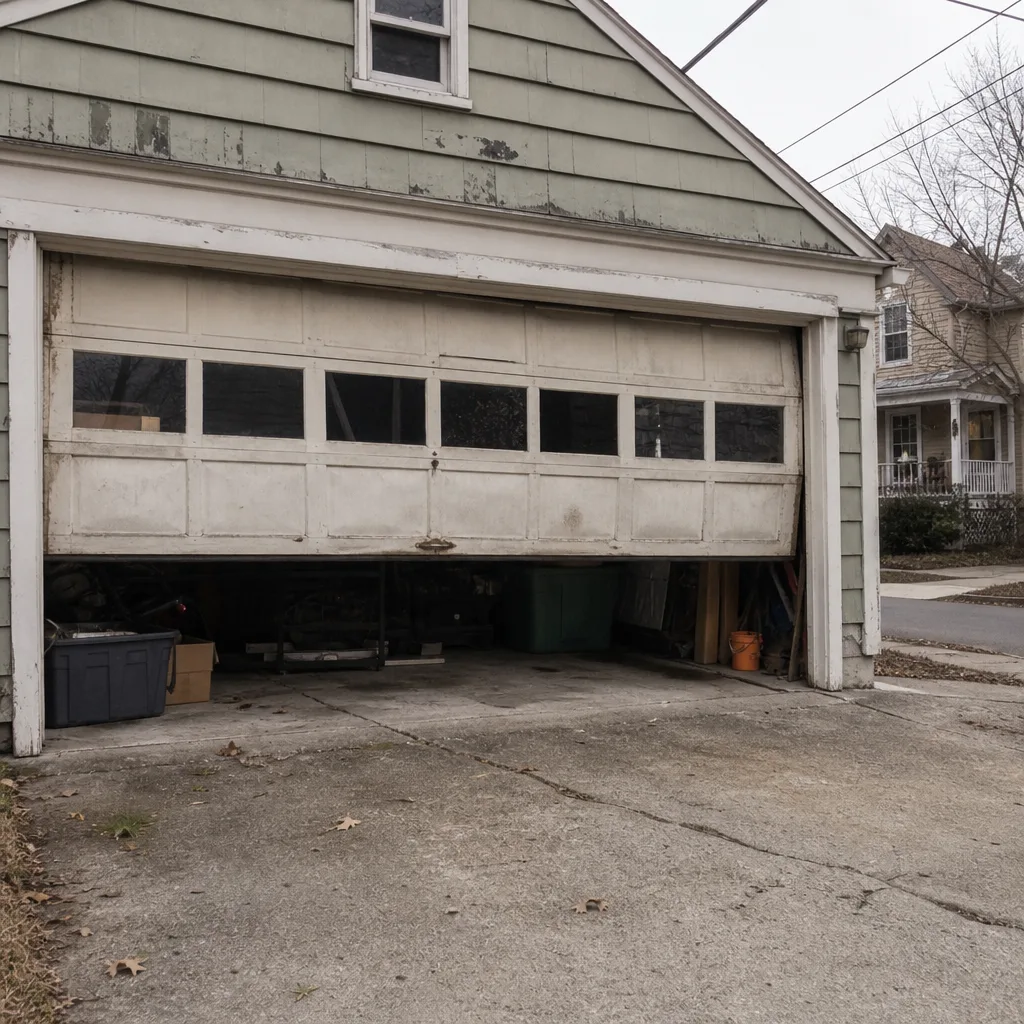 Before
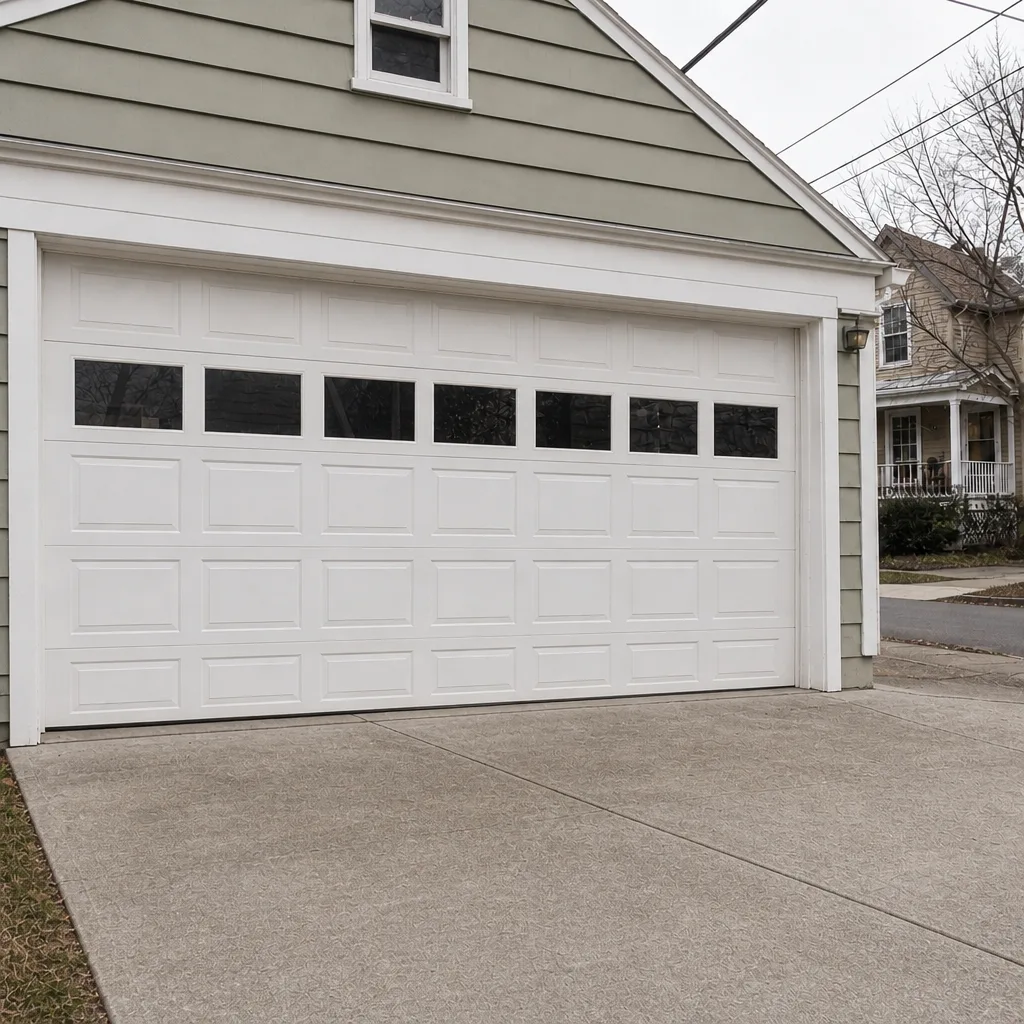 After
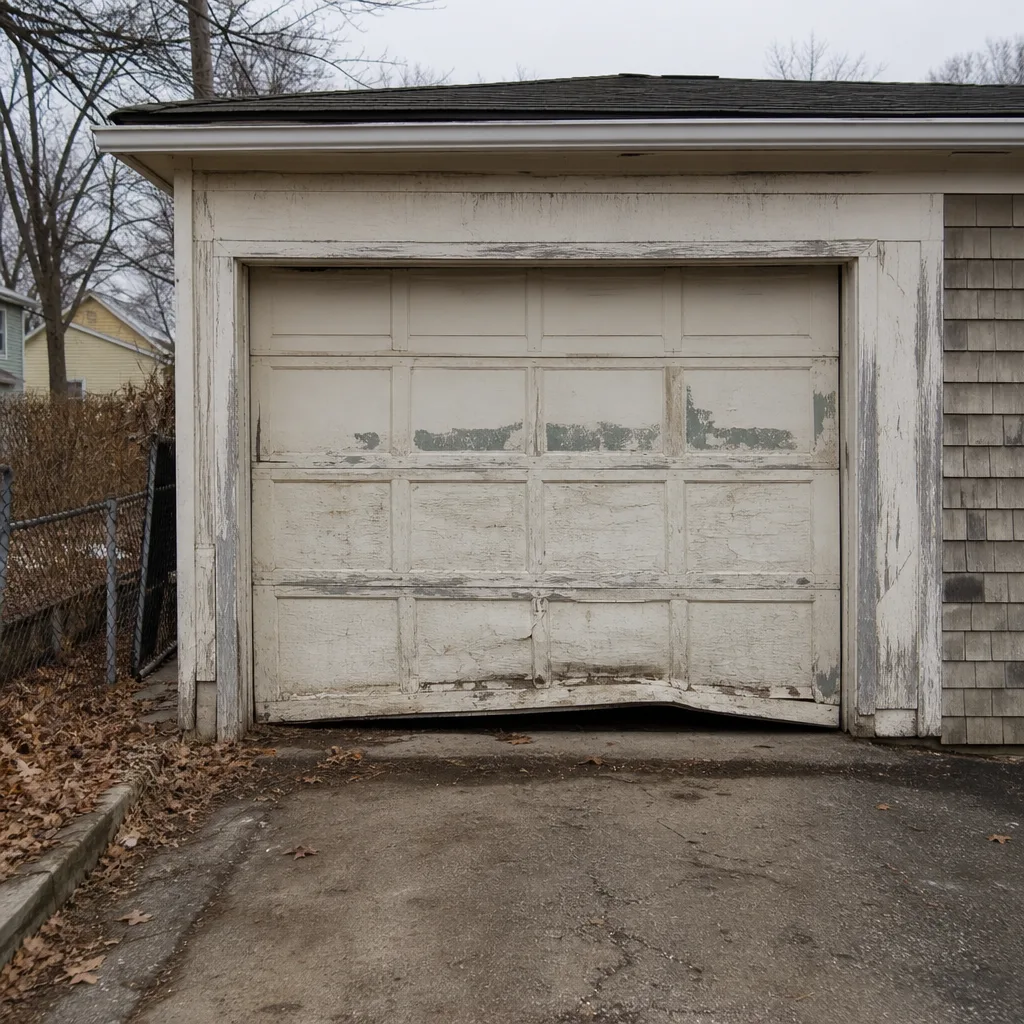 Before
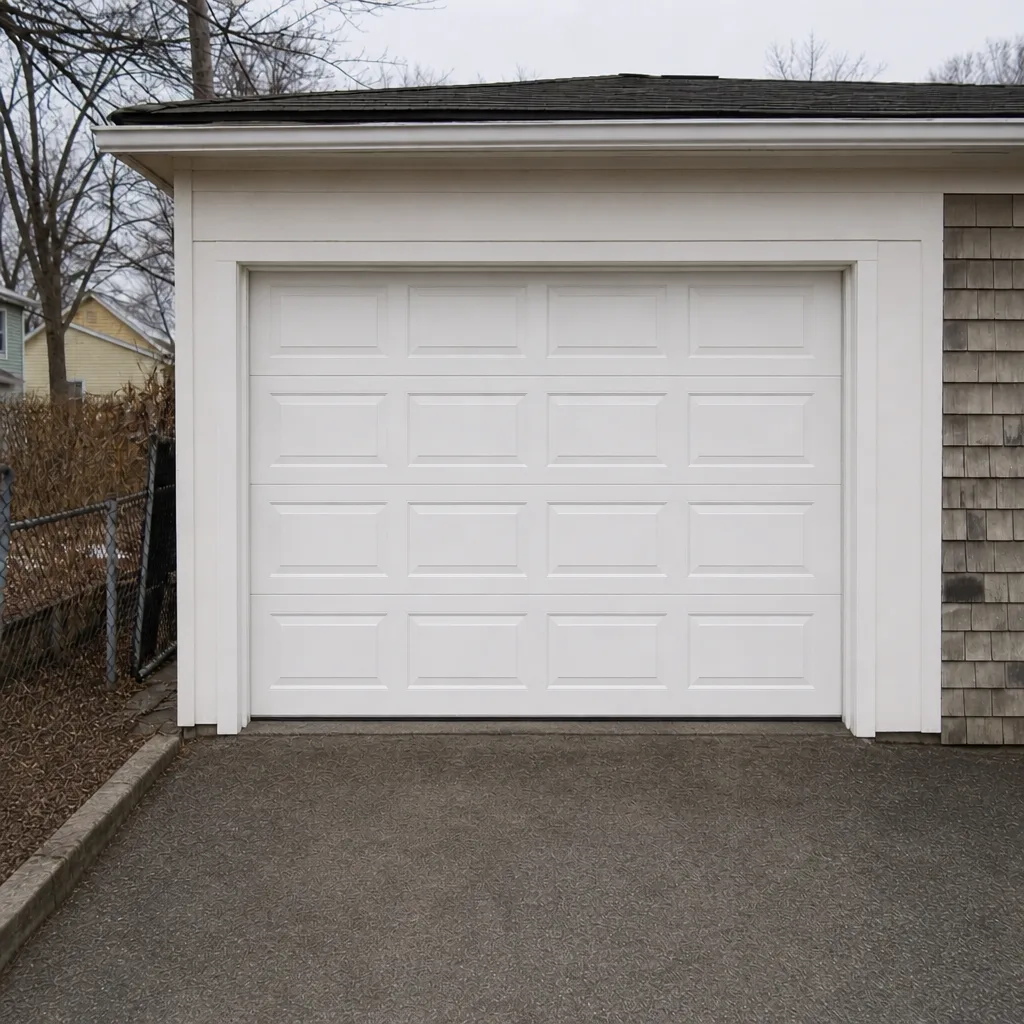 After
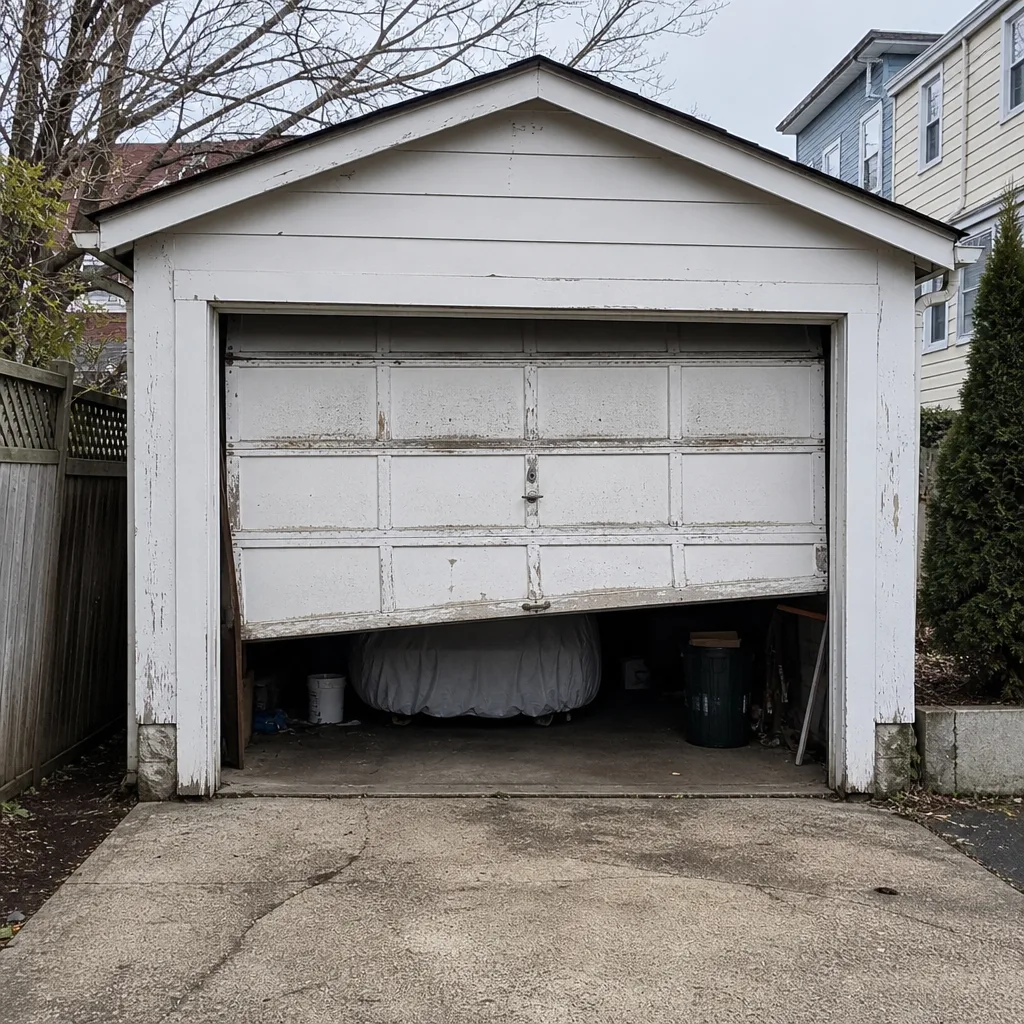 Before
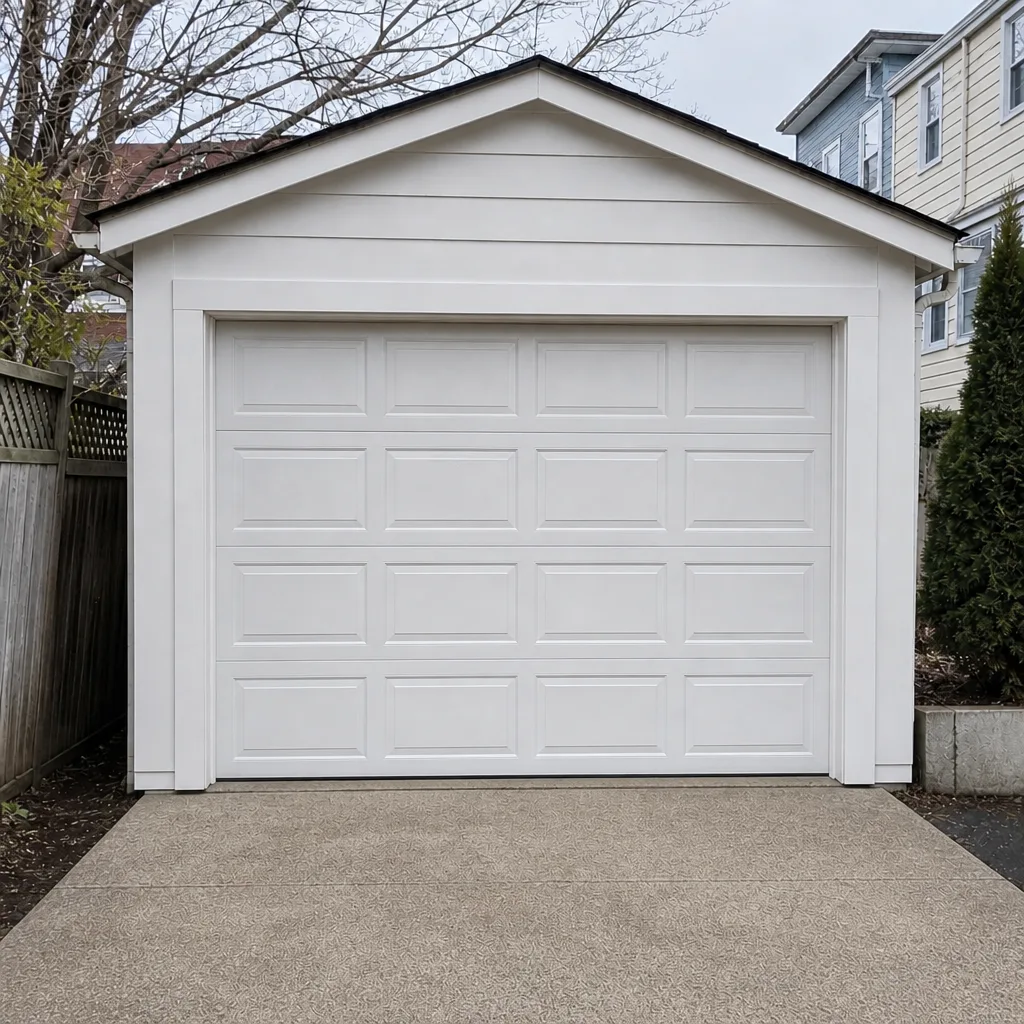 After
When to Call a Professional
The moment to bring in a specialist is when the question turns from “can this be fixed” to “does this change the building.” If the door is damaged, the opener won’t respond, or the panels need replacing same-size, that’s a repair call and usually a straightforward one. If the project changes the opening, the header, the fire separation, or the electrical circuit, we’ll help you frame the permit question, get the drawings in order, and do the installation to the approved scope. Our technicians have up to 15 years of experience and are factory-familiar with the common residential door brands, so the diagnosis and the code conversation are one visit. Ashford Garage Door Repair offers free estimates in Cambridge. Call (866) 361-7938. We answer 24/7. Fast dispatch from 7am to 7pm, Sunday through Friday.
Frequently Asked Questions
Usually not, if the replacement is like-for-like in size and type. A permit from the Cambridge Inspectional Services Department is required when the opening, framing, header, or fire separation changes. Call Inspectional Services with your address and scope to confirm before work begins, and call (866) 361-7938 for a free estimate on the repair side.
Only if the job involves new wiring, a new outlet, a new breaker, or a panel change. Swapping an opener on the circuit that already serves the garage is generally not a permit-triggering electrical change. Call (866) 361-7938 to talk through your opener and the existing wiring before scheduling.
Exterior appearance only: door style, material, color, and visible trim. Opener, track, spring, and roller work are not part of the review. Plan on weeks rather than days for a certificate of appropriateness, and confirm the current meeting schedule with the Cambridge commission office. Call (866) 361-7938 if you want help identifying what part of your project is subject to review.
It can show up in a title search, and buyers’ attorneys will ask about it. The fix is to pull the permit file and schedule the final inspection. Call (866) 361-7938 if you want us to inspect the door and document its current condition; estimates are free.
For a permitted project it’s staged: framing and header, rough electrical, fire separation, and final, each only if it applies to the scope. For a maintenance job there’s no city inspection; the specialist checks the door, springs, cables, tracks, and opener function. Call (866) 361-7938 to book a repair assessment; estimates are free.
Yes. We’re a dedicated garage door specialist, not a general contractor, and we work on Raynor, LiftMaster, Chamberlain, Genie, and other major residential brands. Call (866) 361-7938 to get a free estimate on your Cambridge project.
The Bottom Line
The permit line in Cambridge runs through structure, not through replacement. Like-for-like panel, spring, roller, and opener swaps are maintenance; changing the opening, the header, the fire separation, or adding a new electrical circuit is a permit job. Historic districts add a separate design review on the exterior only. Keep the final inspection sign-off with your home records, and treat “wider” as the word that triggers a permit call. If you’re on the repair side of that line, a Cambridge specialist can diagnose the door and confirm the scope in one visit. Call (866) 361-7938 for a free estimate.
Written by the team at Ashford Garage Door Repair.