
Last updated November 15, 2026
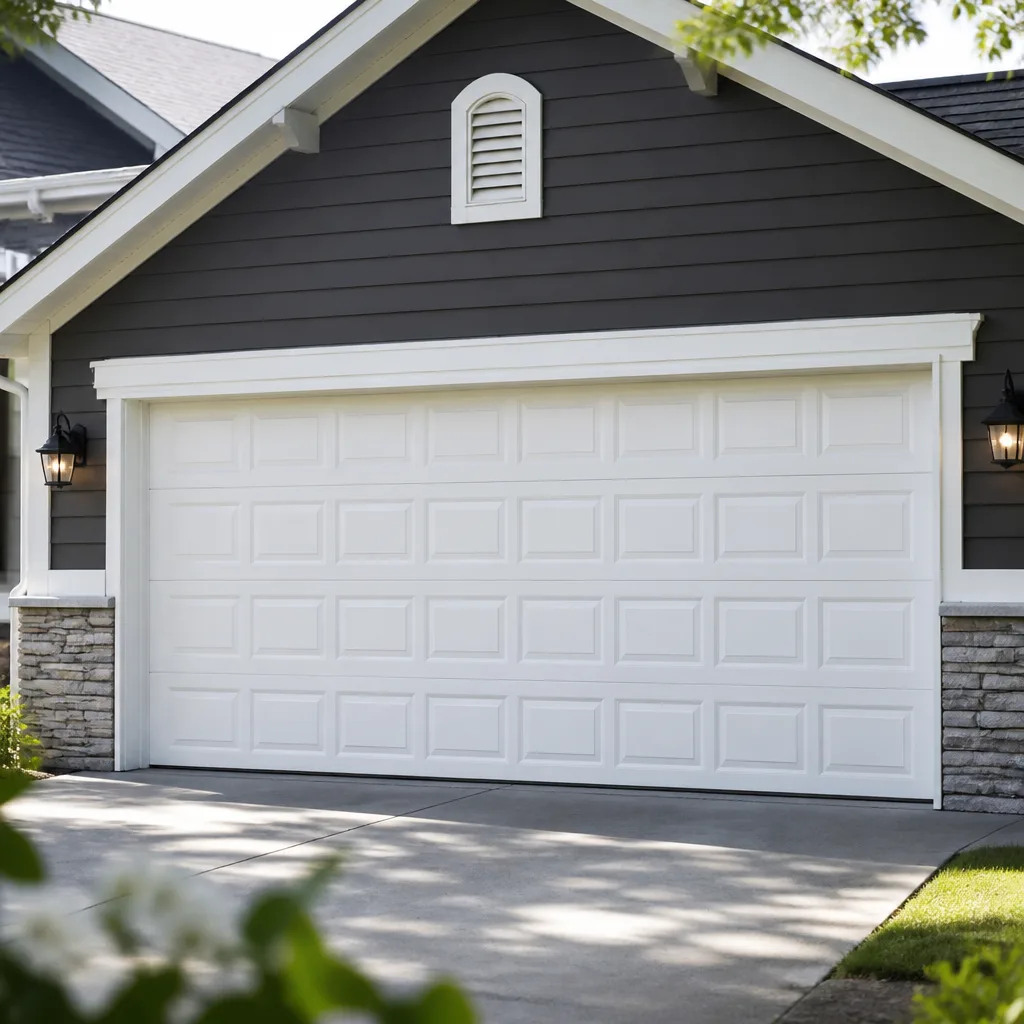 Raised-panel steel
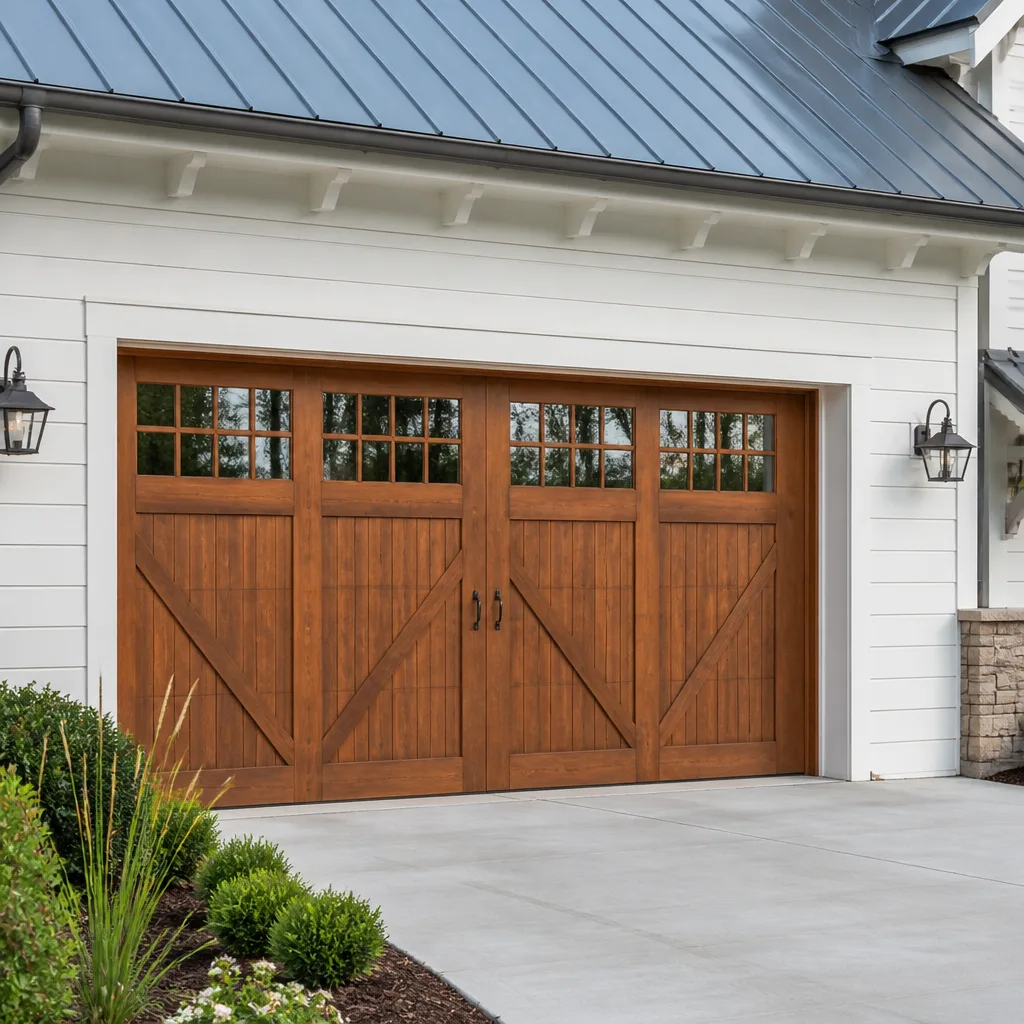 Carriage house
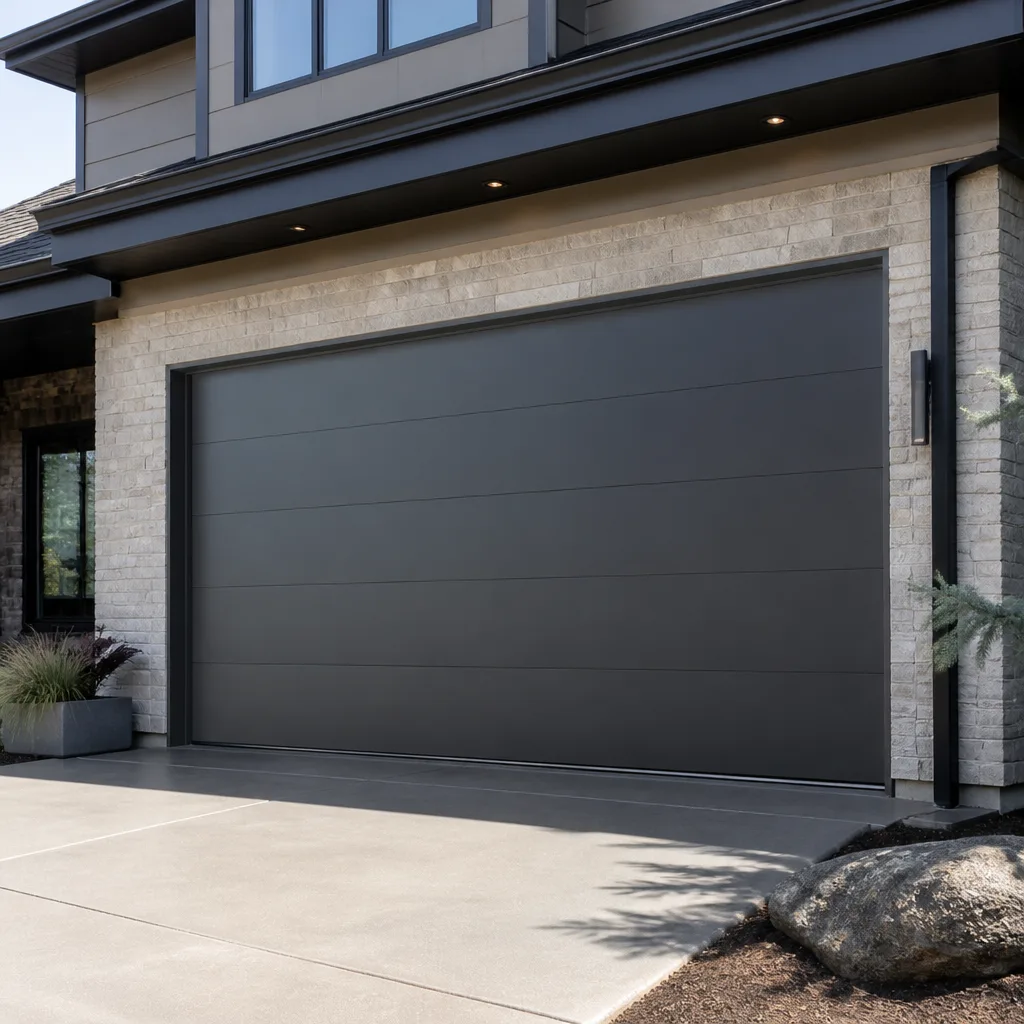 Modern flush
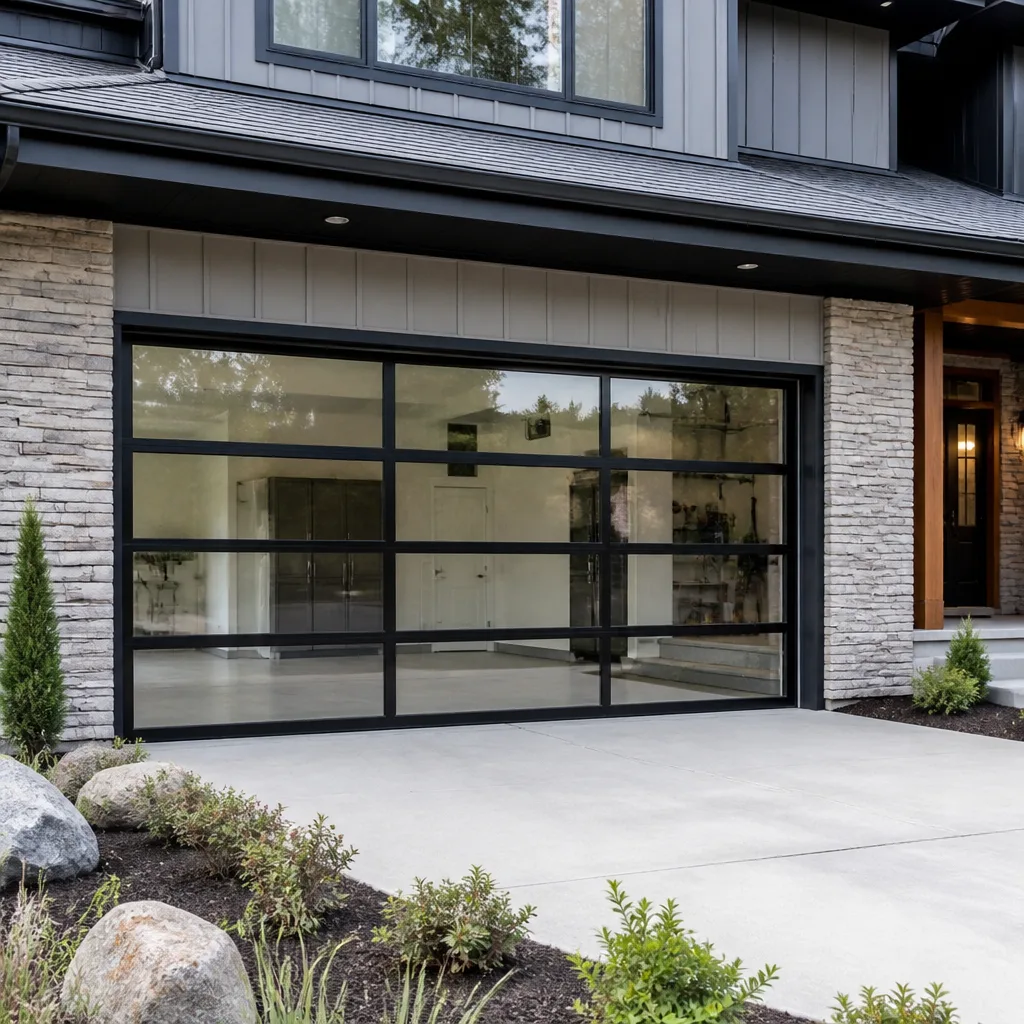 Full-view glass
 LiftMaster openers
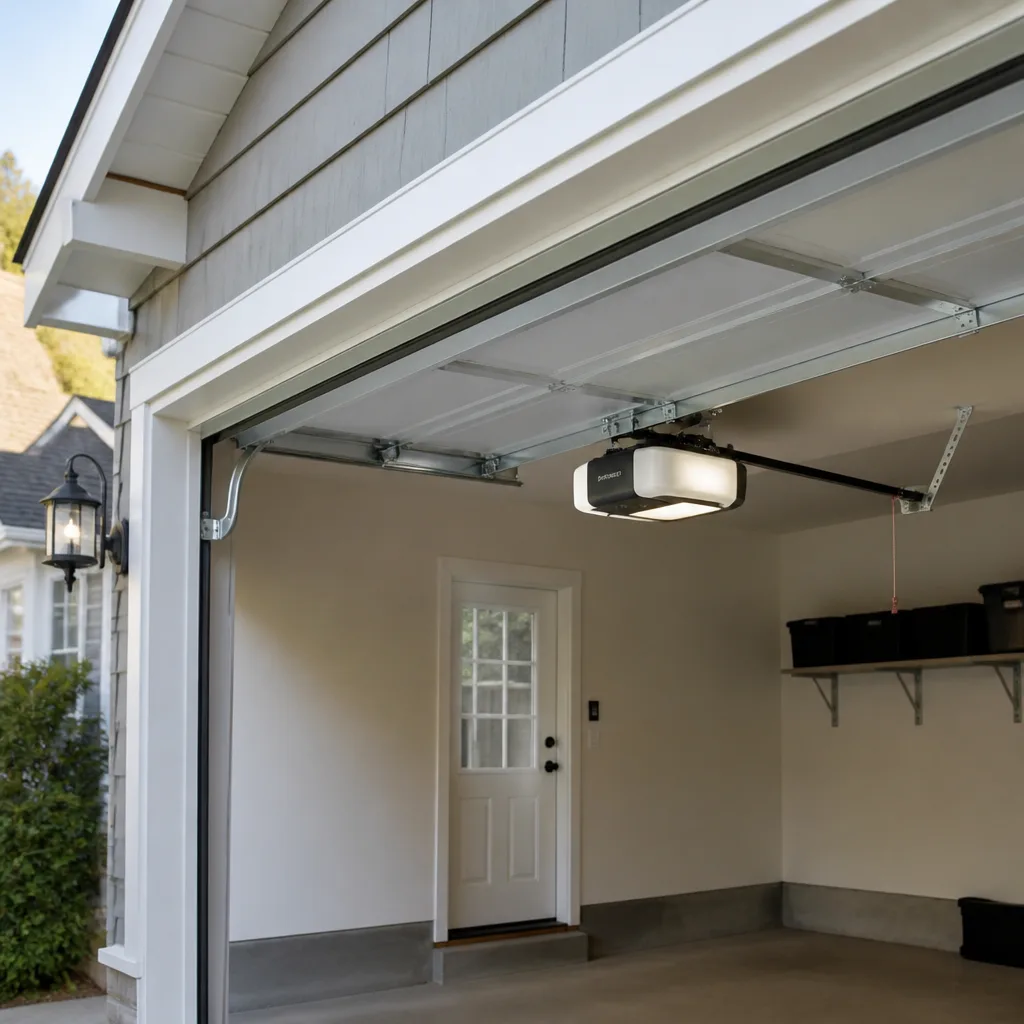 Chamberlain openers
Full 25-point door and opener safety check with every visit - springs, cables, rollers, tracks, and your LiftMaster or Chamberlain opener included
You get a price before we start. It does not change when the pro arrives.
Get your free estimateGarage Door Repair Maintenance Schedule: What to Do and When
Most garage door maintenance advice tells you to lubricate and inspect once a year and calls it done. That advice skips the fact that your door’s service interval depends on how often it cycles, not on the calendar. A door that opens four times a day wears twice as fast as one that opens twice. The average two-car Cambridge household cycles their garage door roughly 1,500 times a year, and most torsion springs are rated for about 10,000 cycles. That puts your spring’s working lifespan near seven years, no matter how new it looks. Below, we lay out a maintenance schedule built around cycle count and the seasonal swings a Cambridge door actually faces, so you know what to do and when.
Quick Answer
Garage door maintenance should be scheduled by cycle count, not by the calendar alone. A typical Cambridge home cycling its door about 1,500 times a year needs a visual inspection and balance check monthly, lubrication every four to six months, and a full professional inspection once a year or every 3,000 to 5,000 cycles. Springs, cables, and rollers reach replacement age faster in high-cycle homes, so tracking usage is the single most useful habit you can build.
Styles & brands we work with
- Raised-panel steel
- Carriage house
- Modern flush
- Full-view glass
- LiftMaster openers
- Chamberlain openers
Table of Contents
- Why Cycle Count Beats the Calendar
- The 10-Second Monthly Balance Test
- Which Lubricants to Use on Which Parts
- A Season-by-Season Cambridge Maintenance Calendar
- Component Lifespans: Springs, Rollers, and Cables
- Which Tasks Actually Extend Life
- What You Can Check Yourself and What You Shouldn’t
Why Cycle Count Beats the Calendar
A garage door is a mechanical system with a finite number of movements before parts wear out. Every open-and-close is one cycle, and each cycle puts the same stress on the torsion spring, the cables, and the rollers. That stress adds up on a schedule your calendar can’t see. A home where two cars leave and return each day runs about 1,460 cycles a year. Add a few extra trips for errands, deliveries, or yard work and you’re quickly at 1,500 or more. A retired couple who drive once a day might run half that.
Here’s how to estimate your own cycle count in about a minute:
- Count the average number of times the door opens and closes on a normal weekday.
- Multiply by five for the working week, then add your usual weekend trips for Sunday.
- Multiply that weekly figure by 52 for your annual cycle estimate.
- Add any seasonal extras: yard equipment pulled in and out, holiday travel, houseguests who park outside.
Once you have a number, you can map it to realistic lifespans. A door running 1,500 cycles a year stretches a 10,000-cycle torsion spring to about seven years. A door running 3,000 cycles a year – common in homes where a garage is the main entry and two or three people pass through daily – halves that to roughly three to four years. The spring doesn’t care what the label says. It only knows how many turns it has made.
This is why the generic “lubricate in spring, inspect in fall” advice falls short. It assumes every door wears at the same rate. In our experience around Cambridge, the variance is wide. Homes near Fresh Pond with a two-car garage used as the primary entry live a very different maintenance life than a single-car door in a Porter Square condo building that opens twice a day.
The 10-Second Monthly Balance Test
You can predict a failing spring months before it snaps. The monthly balance test takes about ten seconds and tells you whether the door is carrying its own weight or leaning on the opener to do it. Here’s how it works:
- Close the door, then pull the manual release cord to disconnect the opener. On most openers the cord hangs from the trolley near the center of the door.
- Lift the door by hand to about waist height.
- Let go.
- Watch what happens.
A healthy door stays roughly where you left it, maybe drifting an inch or two. A door that sinks quickly to the floor has a spring that’s lost tension. A door that rises on its own has a spring that’s overwound or a spring from the wrong size pair. Either way, the balance has shifted, and the opener is compensating. You’ll usually hear it before you see it – a groaning opener, a door that hesitates mid-travel, or a motor that sounds like it’s working harder than it used to.
If the door fails the balance test, don’t keep opening and closing it. It’s a matter of time before the spring breaks outright, and a broken spring means a door you can’t lift safely. This is a genuine safety issue that calls for a trained professional, not a weekend project. A torsion spring under load stores enough energy to break bones or cause serious injury, and the tools to wind one safely aren’t in a typical home garage. Call for garage door repair and let a specialist handle the spring.
The balance test is the single most valuable habit in this guide. It costs nothing, it takes seconds, and it catches the most dangerous failure mode in the system before it happens. Do it on the first of every month and you’ll never be surprised by a snapped spring.
Which Lubricants to Use on Which Parts
Lubrication matters, but the lubricant you choose matters more. WD-40 in its classic aerosol form is a solvent with light oil in it. It cleans and penetrates, and on garage door rollers it actively accelerates wear. Here’s why: WD-40 strips the factory grease from the roller bearings and leaves a thin film that attracts dust and grit. That grit grinds into the bearing race every time the door cycles, and the roller fails faster than if you’d never touched it. We’ve seen rollers ruined by faithful monthly WD-40 spraying.
Use the right product on the right part:
- Torsion springs and extension springs: white lithium grease or a specifically labeled garage door spring lubricant. Apply a light coat, not a heavy one. Excess grease collects grit.
- Roller bearings (nylon rollers): a silicone-based spray. Nylon rollers are the most common type on newer doors and don’t need much – a thin film is enough.
- Steel roller bearings: white lithium grease applied with a small brush or from a grease applicator.
- Hinges: a few drops of lightweight machine oil or a silicone spray at each pivot point.
- Tracks: nothing. Tracks should be clean and dry. Lubricant in the tracks collects dust and causes binding.
- Weatherstripping: silicone spray or a rubber-safe protectant once or twice a year to keep it pliable through temperature swings.
A word on spring lubrication: some manufacturers say no lubricant at all on torsion springs, arguing that any coating traps debris. Others recommend an annual light coat. For LiftMaster and Chamberlain doors, the opener manual usually addresses this. When in doubt, a very light coat of lithium grease on the coils, wiped almost clean, is a safe middle ground. The bigger win is keeping the hinges and roller bearings clean and properly oiled.
Lubrication frequency depends on your cycle count. A high-cycle door benefits from lubrication every four months. A low-cycle door can go six to eight months between applications. Lubricate more often than that and you’re just attracting dirt.
A Season-by-Season Cambridge Maintenance Calendar
Cambridge winters are hard on garage doors. The freeze-thaw cycles that start in November and run through March put weatherstripping through constant expansion and contraction, and the contraction stresses springs and cables that were tensioned in milder weather. A seasonal calendar built around those demands does more than a generic monthly checklist.
Fall: Weatherstripping Before the First Freeze
Before the first hard freeze, run a hand along the bottom seal and the side seals. Any crack, tear, or stiffness means the seal won’t bounce back after it compresses in cold weather – and a stiff seal lets cold air and moisture in. Look at the bottom seal by checking for daylight under a closed door, or by sliding a piece of paper underneath and seeing whether it pulls out easily. Replace worn weatherstripping before the cold sets in. This is one of the few maintenance tasks that genuinely pays for itself in a Cambridge winter, both in comfort and in reduced drafts into the garage.
Spring: Spring Tension Re-Test After Winter
After a Cambridge winter of temperature swings, the springs have expanded and contracted hundreds of times. Run a full balance test in early spring. A spring that passed in October may show its first signs of fatigue in March. Watch the cables too – cold weather makes them more brittle, and a frayed cable at the drum is a safety concern. Cables operate under extreme tension and should only be handled by a trained technician.
Summer: Opener Travel-Limit Verification
Summer heat expands the door and can throw off the opener’s travel limits. The door may close slightly too far, pressing on the bottom seal, or stop short and leave a gap. Check the travel limits on your opener – on Genie and Craftsman models the adjustment screws are usually on the back or side of the motor head, and on LiftMaster and Chamberlain models the limits are typically set through the control panel or a set of screws behind the light lens. Verify the door opens fully and closes flush without straining. This is a task you can watch for and report, but the adjustment itself is best done by a professional who knows the specific model. Our garage door opener repair team handles travel-limit adjustments across the major opener platforms.
Winter: Listen, Watch, and Don’t Force
In the coldest weeks, the door runs on stiffer springs and stiffer seals. If the opener sounds strained, don’t push it. If the door hesitates, resist the urge to hit the button again. Force it and you risk stripping the opener gear or snapping a fatigued spring. A little restraint in January and February prevents a lot of repairs in March.
Component Lifespans: Springs, Rollers, and Cables
Knowing roughly when each part is due for replacement lets you plan instead of react. These are typical ranges for a well-maintained door, expressed in cycles and mapped to years at 1,500 cycles per year:
- Torsion springs: 10,000 cycles standard, or about seven years at 1,500 cycles annually. High-cycle springs rated at 20,000 to 30,000 cycles are available and worth considering if you use the door heavily. A high-cycle spring costs more up front but typically saves money over the door’s life.
- Extension springs (side-mounted): often the same 10,000-cycle rating, but they carry a higher failure risk because there’s no safety cable keeping the spring contained when it breaks. If your door has extension springs, check for the safety cables.
- Nylon rollers: 10,000 to 20,000 cycles, about seven to thirteen years. Steel rollers with sealed bearings last longer but need more maintenance.
- Cables: 10,000 to 15,000 cycles. Cables typically outlast the springs but should be replaced when the springs are replaced as a precaution, since they share the same load cycles.
- Weatherstripping: three to five years in a Cambridge climate, sometimes less on a south-facing door that gets more sun and more temperature swing.
- Openers: 10 to 15 years for a quality unit. LiftMaster and Chamberlain openers tend to reach the high end of that range with proper maintenance.
When the springs are due, most technicians replace both springs in a matched pair at the same time. The pair wears together, and replacing only the broken one means the older spring fails shortly after. Replacing both at once costs more than one spring but less than two separate service visits.
Which Tasks Actually Extend Life
Some garage door maintenance advice has more to do with habit than with results. Here’s how to separate the tasks that genuinely extend component life from the ones that just feel productive.
Genuinely useful:
- The monthly balance test. Predicts spring failure before it happens.
- Lubricating hinges and roller bearings with the right product. Extends roller life measurably.
- Replacing worn weatherstripping before winter. Protects the seal, reduces drafts, and keeps the door operating smoothly.
- Tracking cycle count and planning spring replacement around it. Turns a surprise into a scheduled job.
- Cleaning the tracks and checking for debris or bent sections. Prevents wear on rollers and cables.
Mostly ritual:
- Spraying WD-40 on everything monthly. Actually harmful to rollers, as covered above.
- Lubricating the tracks. Creates grit buildup and binding.
- Adjusting the opener force settings to compensate for a door that’s out of balance. Masks the real problem and stresses the opener.
- Greasing every hinge and roller part every month. More grease collects more dust. Every four to six months is plenty.
- Running a “full tune-up” checklist that ignores cycle count. A door that cycles 3,000 times a year needs faster attention than a calendar allows.
The useful tasks all share one thing: they respond to how the door is actually being used. The ritual tasks follow a schedule regardless of need. If you’re going to spend time on maintenance, spend it on the first list.
What You Can Check Yourself and What You Shouldn’t
Homeowners can safely handle more of this than they might think. The line between watch and fix comes down to stored mechanical energy. Anything that involves a part under tension needs a trained technician.
Safe for you to check and do:
- Run the monthly balance test.
- Clean the tracks with a damp cloth and check for dents or debris.
- Inspect weatherstripping for cracks and stiffness.
- Listen for grinding, squeaking, or hesitation.
- Lubricate the hinges and roller bearings with the products above.
- Check that the opener manual release works.
- Verify the safety reversal – place a roll of paper towels or a piece of wood under the door and see whether it reverses on contact with an obstruction.
Needs a trained professional:
- Replacing torsion springs. These store enough energy to cause serious injury. This is the one task in this guide you should never attempt.
- Replacing or adjusting cables. Cables operate under extreme tension and can whip when released.
- Adjusting spring tension. Involves winding bars and a specific technique.
- Replacing the springs at the end of their service life, even if they haven’t broken yet.
- Diagnosing persistent opener issues or replacing circuit boards.
- Replacing or repairing damaged tracks.
- Any repair that involves the door’s structural frame.
A word on smart openers: if you have a LiftMaster with MyQ or a Chamberlain with Wi-Fi connectivity, the app can often track how many cycles your door has run, which makes cycle-count planning easier. The smart features don’t change the mechanical wear, but they do remove the guesswork from the cycle estimate.
See the difference
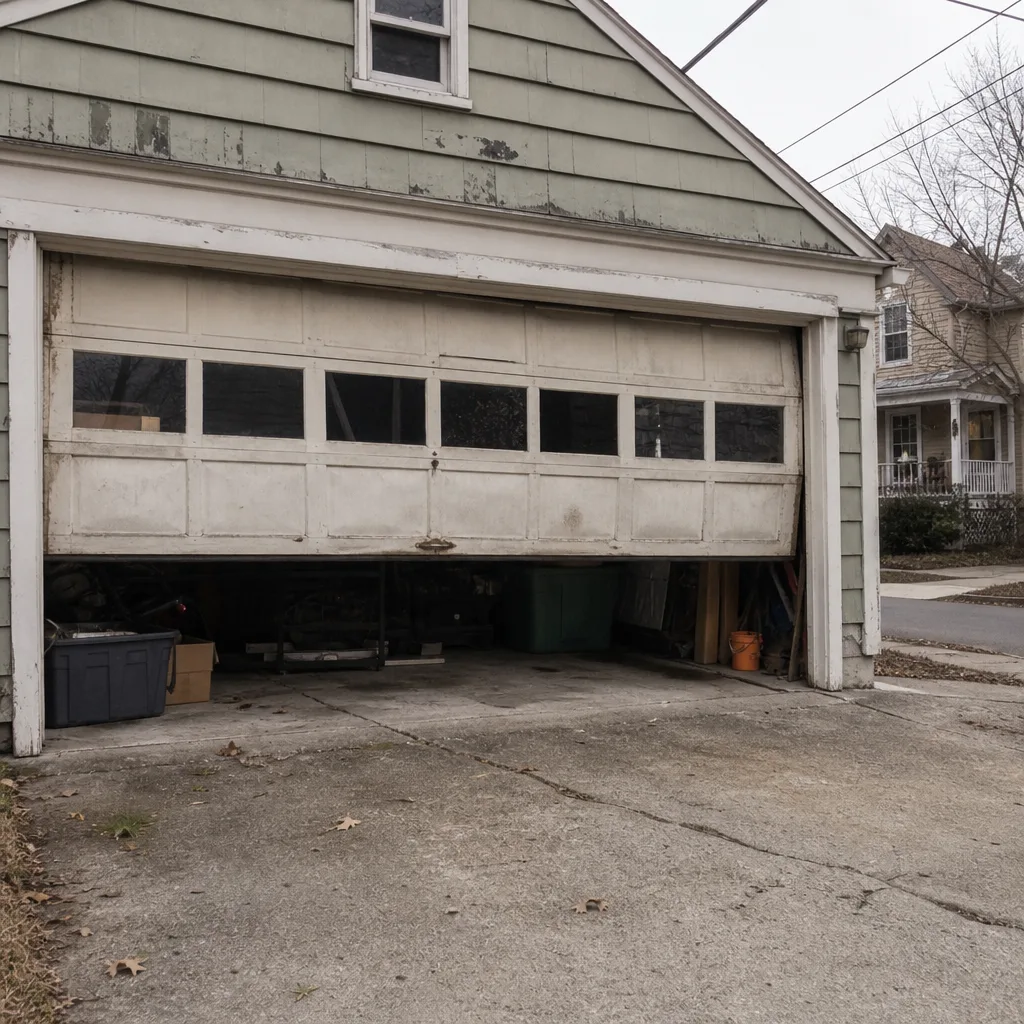 Before
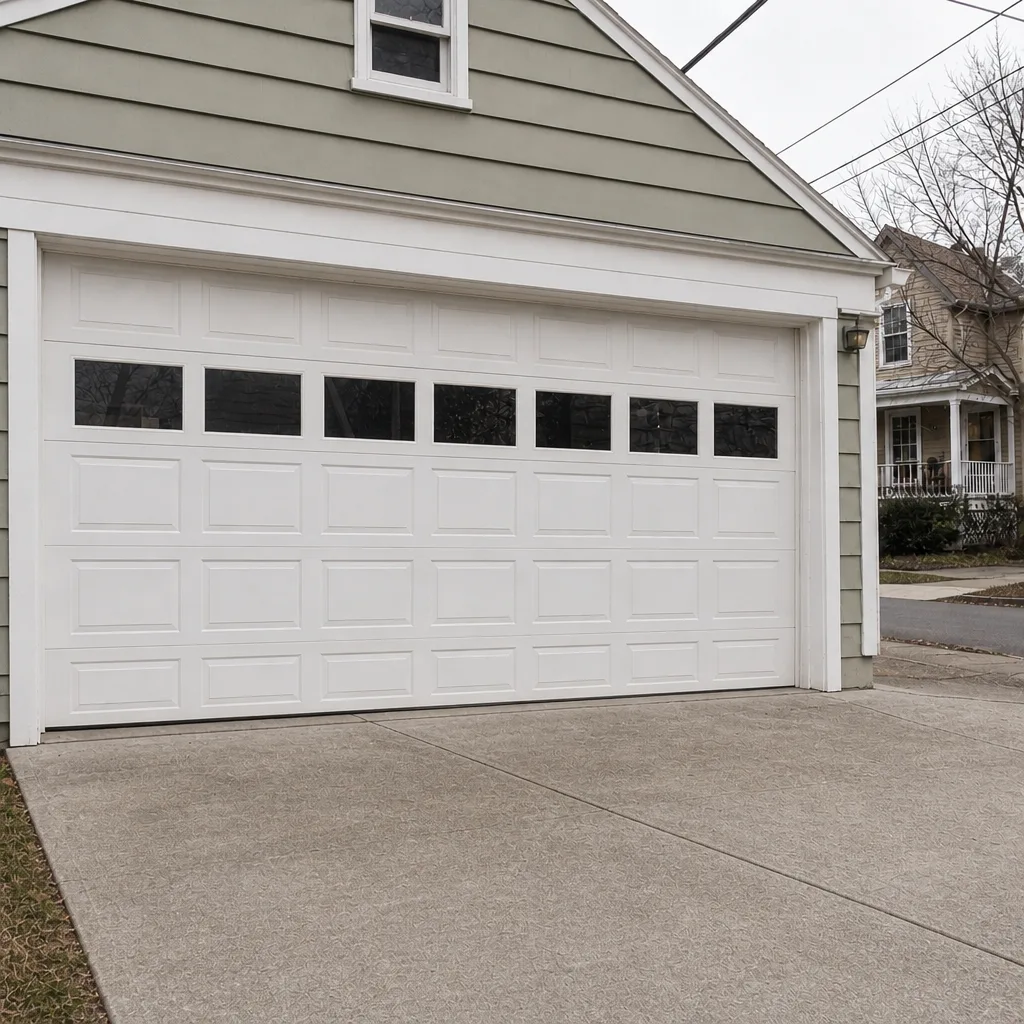 After
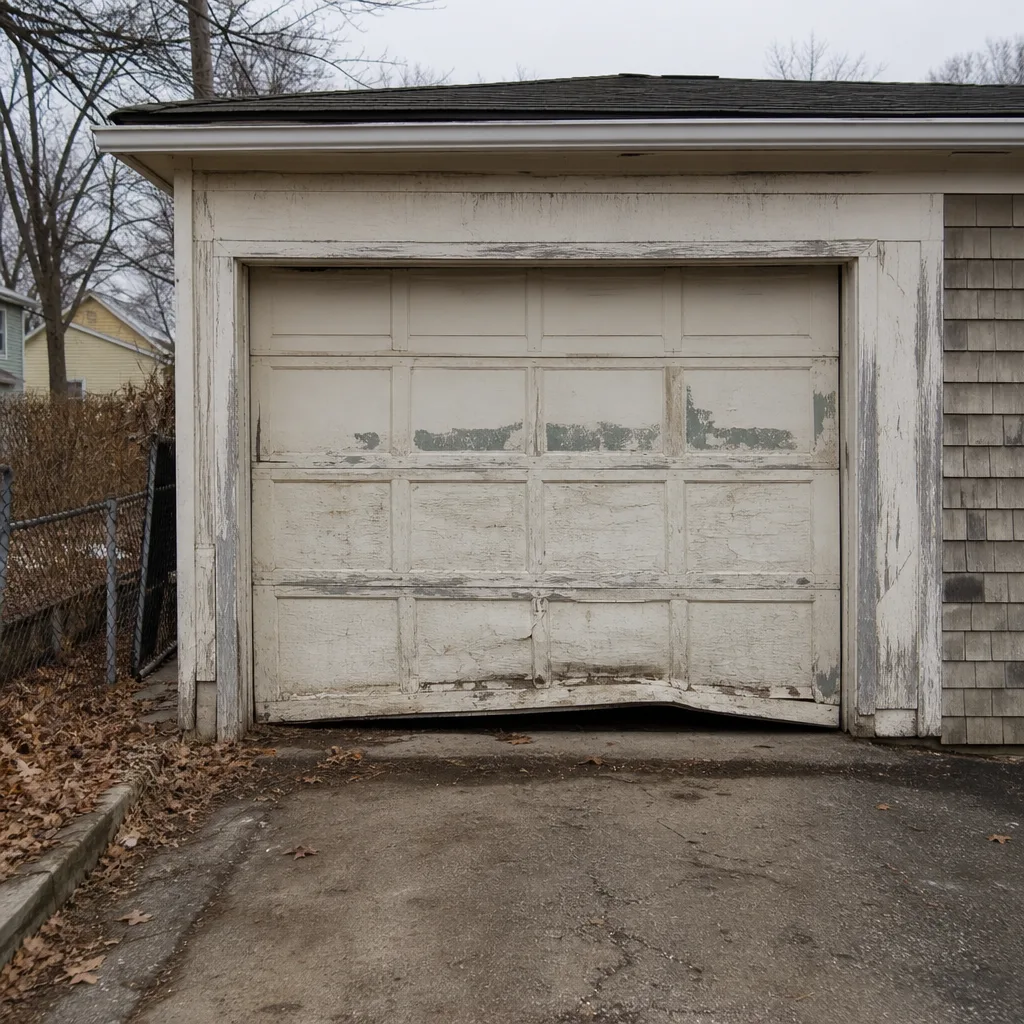 Before
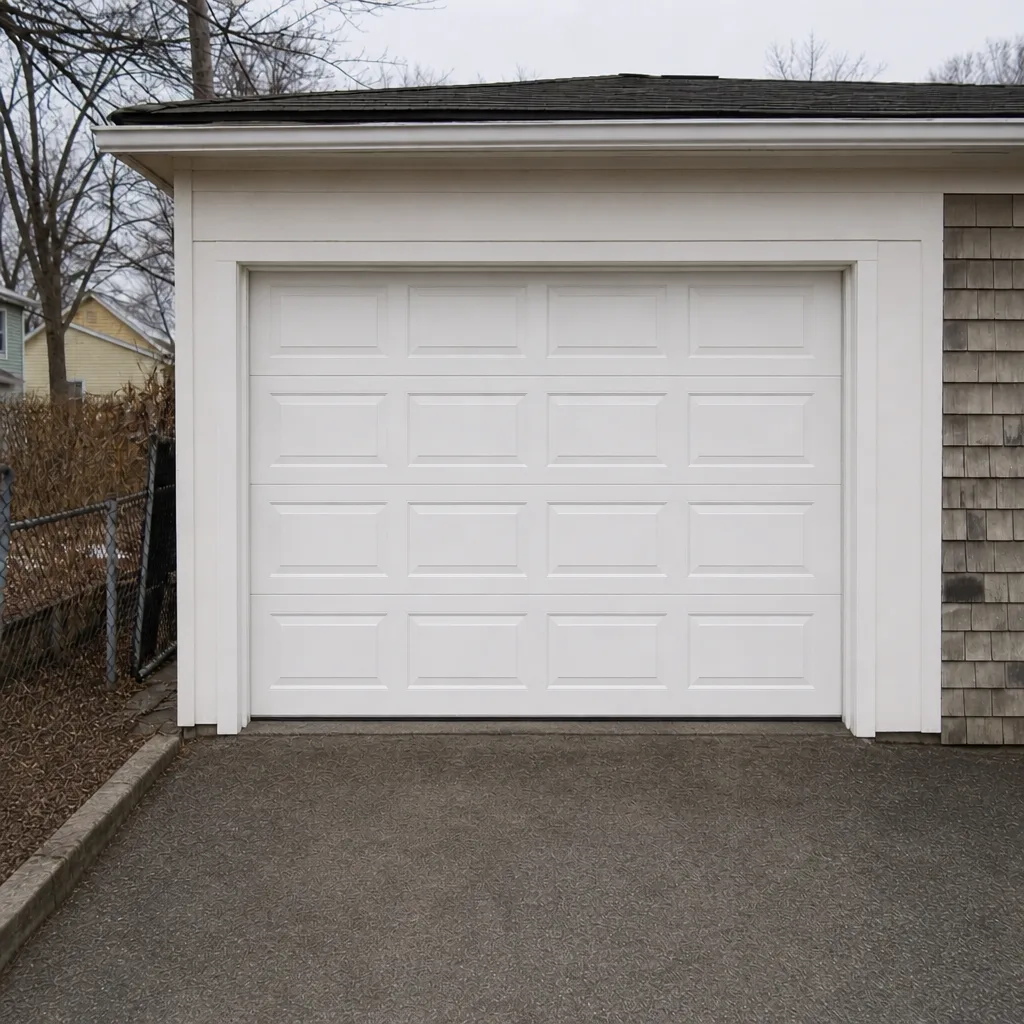 After
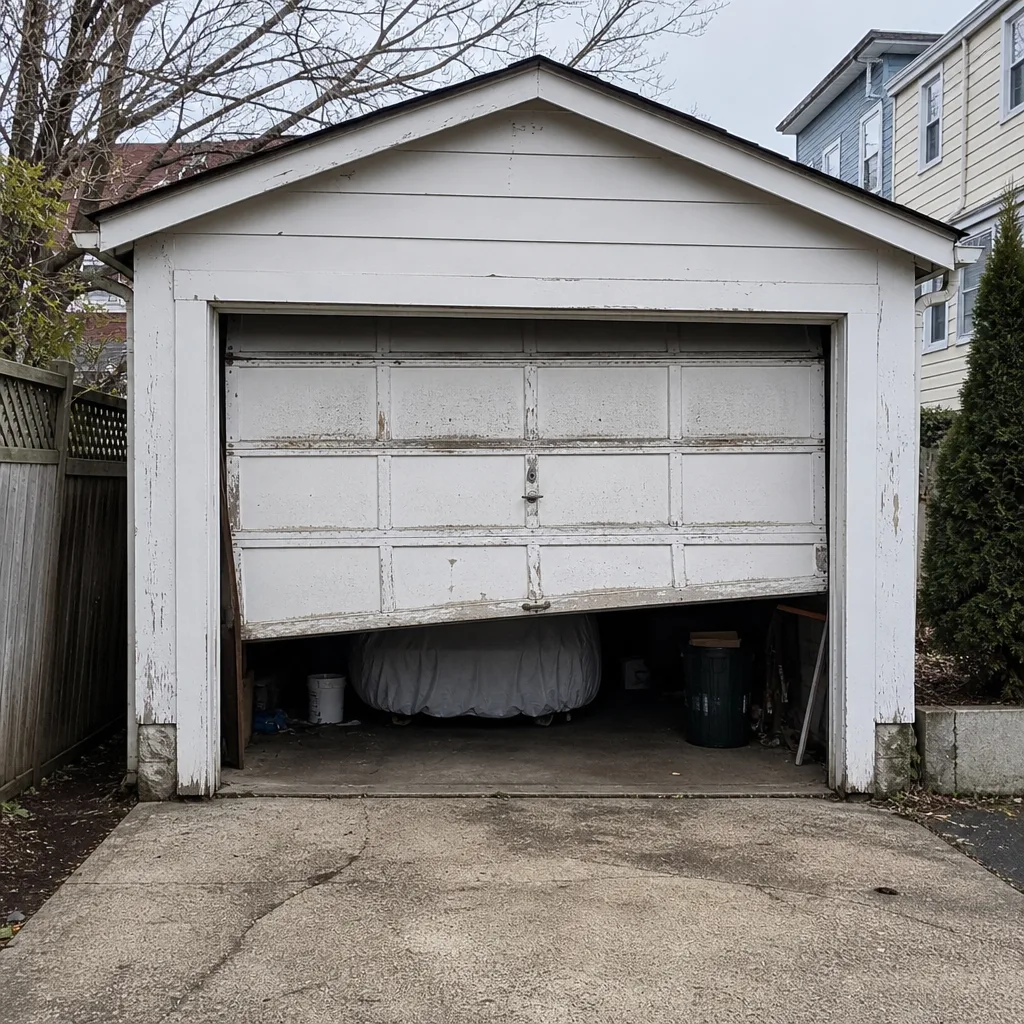 Before
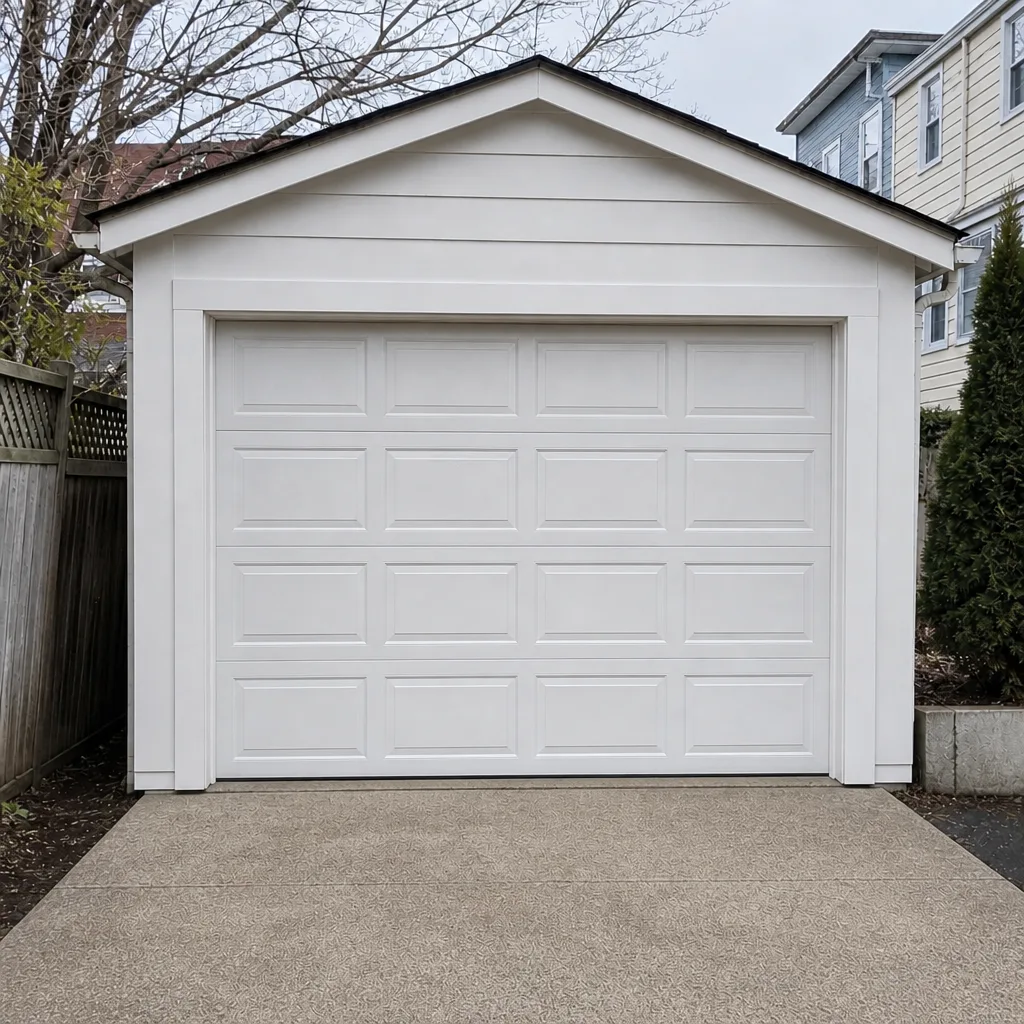 After
Common Mistakes to Avoid
- Spraying WD-40 on the rollers. It strips the factory grease and accelerates bearing wear. Use silicone spray on nylon rollers and white lithium on steel.
- Ignoring the balance test. If a door sinks after you lift it to waist height, the spring is losing tension. Keep using it and the spring will break at the worst moment.
- Lubricating the tracks. Tracks should be clean and dry. Lubricant collects grit and causes the door to bind.
- Adjusting the opener force instead of fixing the imbalance. If the opener needs more force to close the door, the door is out of balance, not the opener.
- Replacing one spring of a matched pair. The older spring will fail shortly after, and you’ll be back to scheduling another repair.
- Running a once-a-year inspection on a high-cycle door. A home that cycles 3,000 times a year needs checks more often than a calendar schedule allows.
- Forcing a stiff door in a Cambridge winter. Stiff weatherstripping and cold springs put more load on the opener. If the door hesitates, call for a repair instead of hitting the button again.
- Skipping the fall weatherstripping check. A stiff seal cracks in the cold and lets drafts and moisture in all winter.
When to Call a Professional
Some situations call for a trained technician rather than a homeowner’s checklist. A broken torsion spring, a frayed or snapped cable, a door that’s come off its track, a door hanging unevenly, or an opener that’s straining or failing to open the door – all of these are professional jobs. A door that fails the balance test two months in a row needs a spring inspection even if it hasn’t broken. And a door that’s nearing the end of its spring life at 7,000 cycles or more deserves a planned replacement rather than a reactive repair.
Ashford Garage Door Repair offers free estimates in Cambridge – call (866) 361-7938. We answer 24/7. Fast dispatch from 7am to 7pm, Sunday through Friday. Our technicians have up to 15 years of experience and are familiar with LiftMaster, Chamberlain, Craftsman, Raynor, and the other major brands you’ll actually find on Cambridge doors.
Frequently Asked Questions
Most Cambridge homes benefit from a professional inspection once a year or every 3,000 to 5,000 cycles, plus monthly balance tests and lubrication every four to six months. High-cycle homes where the garage is the primary entry need service closer to the three-thousand-cycle mark. Call (866) 361-7938 for an exact assessment – estimates are free.
A standard torsion spring rated for 10,000 cycles lasts about seven years in a home that runs 1,500 cycles a year, and about three to four years in a high-cycle home. High-cycle springs rated for 20,000 to 30,000 cycles are available and often worth the extra cost on a heavily used door. Call us to plan a spring replacement before it breaks.
Yes, you can safely lubricate hinges and roller bearings yourself with silicone spray or white lithium grease. Don’t use WD-40 on the rollers, and don’t lubricate the tracks. For springs and cables, leave it to a trained technician – those parts are under high tension. Call (866) 361-7938 if you’d rather have a technician handle the whole lubrication and inspection.
Pull the manual release, lift the door to waist height, and let go. A healthy door stays roughly in place. A door that sinks has a spring losing tension, and a door that rises on its own has a spring that’s overwound. Either result is a sign to call a professional. Call (866) 361-7938 to book an inspection.
Spring replacement is quoted per job by written estimate, and the price is agreed before any work starts, so you never get a surprise invoice. A matched pair usually runs about twice a single spring because both are replaced together. Call (866) 361-7938 for a free estimate – we’ll diagnose the exact issue and give you the written price.
Repair usually wins when the door panels, tracks, and frame are solid and only the springs, rollers, or opener need work. Replacement makes more sense when panels are dented or rusted through, the door is out of balance structurally, or repair costs approach the cost of a new door. A specialist can tell you which way to go after an on-site assessment. Call (866) 361-7938 for a free estimate.
Start with the balance test, then look at weatherstripping for stiffness or cracks and listen for opener strain. If the door sinks when you lift and release, the spring needs professional attention. Our team can diagnose the issue on-site – call (866) 361-7938 and we’ll book a free estimate.
The Bottom Line
Garage door maintenance works best when it’s built around how often your door actually cycles, not around a calendar. The monthly balance test is the highest-value habit here – it predicts spring failure before it happens. Right lubricants on the right parts, and nothing in the tracks. A seasonal Cambridge calendar that moves weatherstripping to fall, spring tension checks to early spring, and opener travel limits to summer. Track your cycle count, plan spring replacement around it, and replace both springs of a matched pair at the same time. The window you need to fill a garage is around seven years of daily use, or fewer if you’re leaving daily. Planning for that window turns a snapped spring into a scheduled job.
Written by the team at Ashford Garage Door Repair.
Ashford Garage Door Repair is a dedicated garage door specialist serving Cambridge and the surrounding area. We handle Ashford Garage Door Repair for repair, opener repair, and installation. Our technicians have up to 15 years of experience with LiftMaster, Chamberlain, Craftsman, Raynor, Clopay, Amarr, Wayne Dalton, and Genie systems. Call (866) 361-7938 for a free estimate. We answer 24/7. Fast dispatch from 7am to 7pm, Sunday through Friday. Your car in and out without a second thought.