
Last updated November 15, 2026
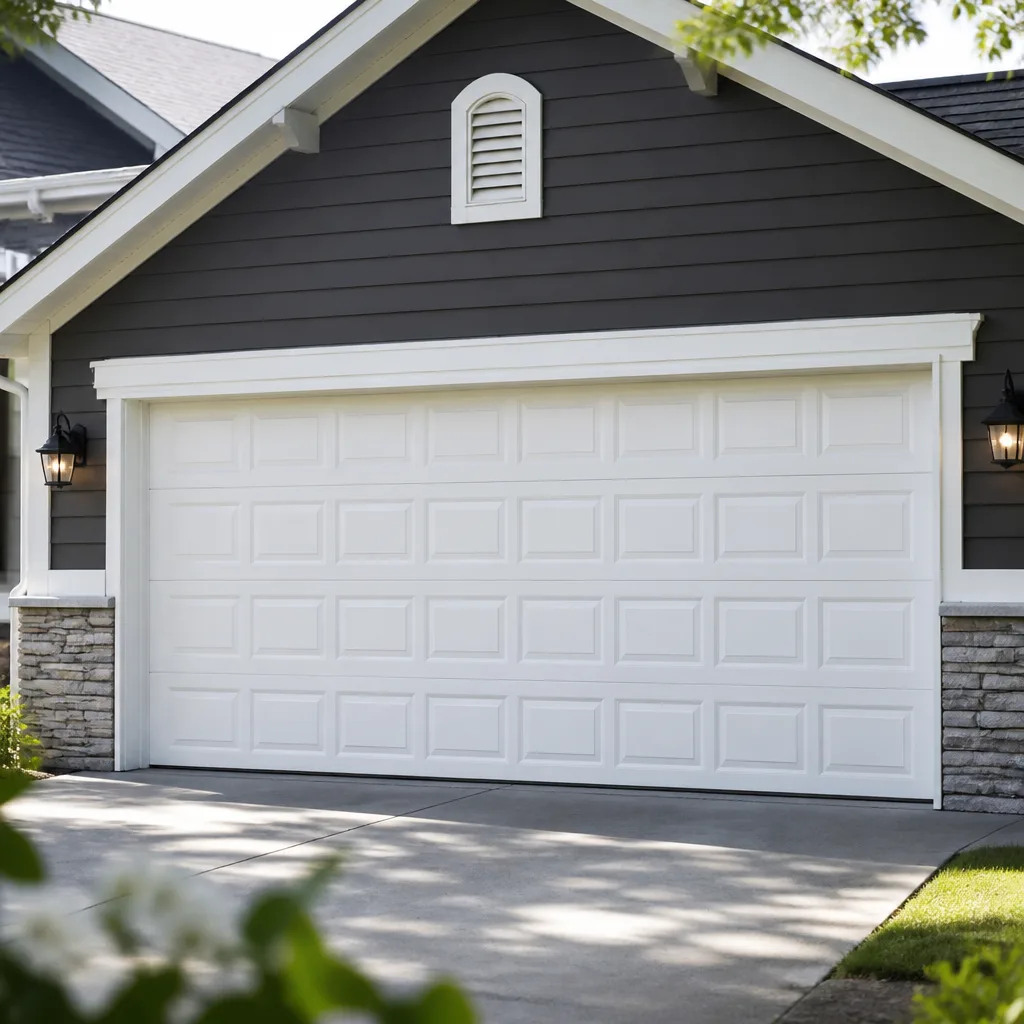 Raised-panel steel
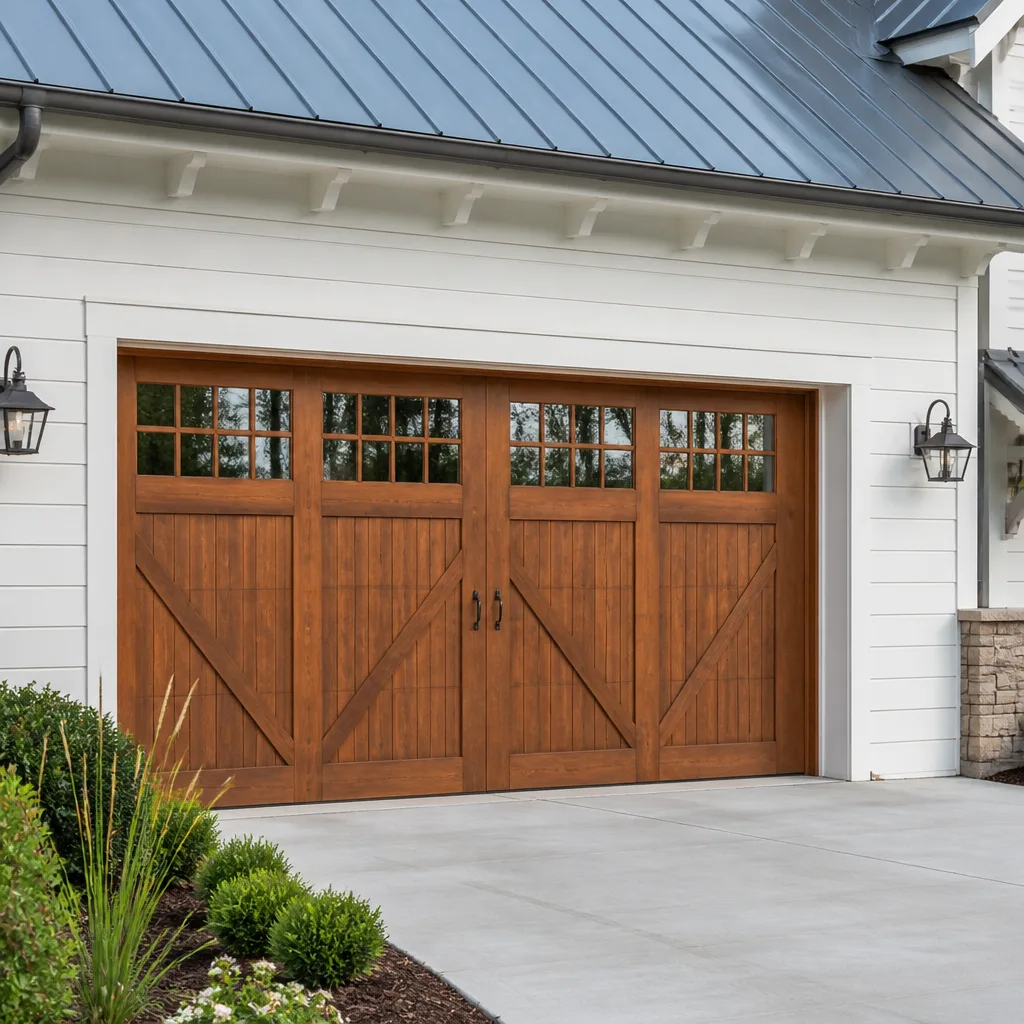 Carriage house
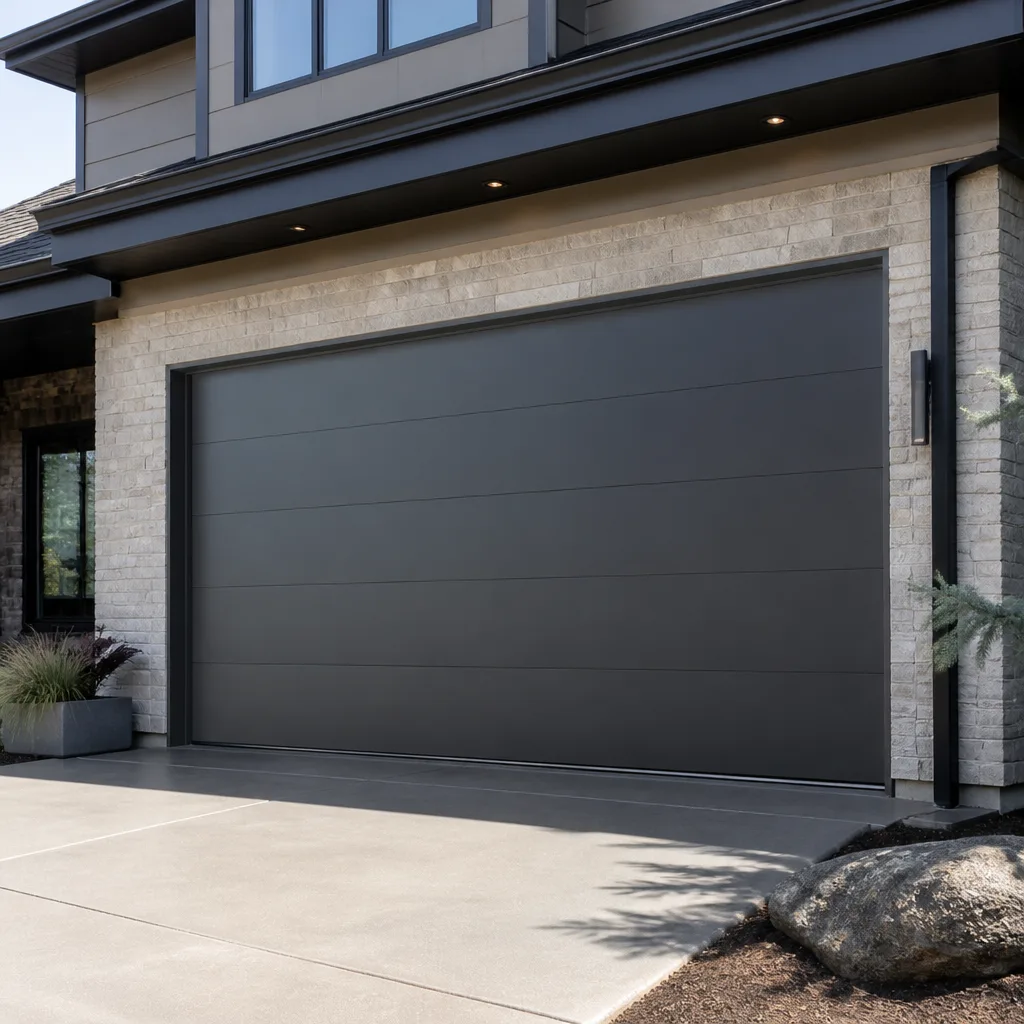 Modern flush
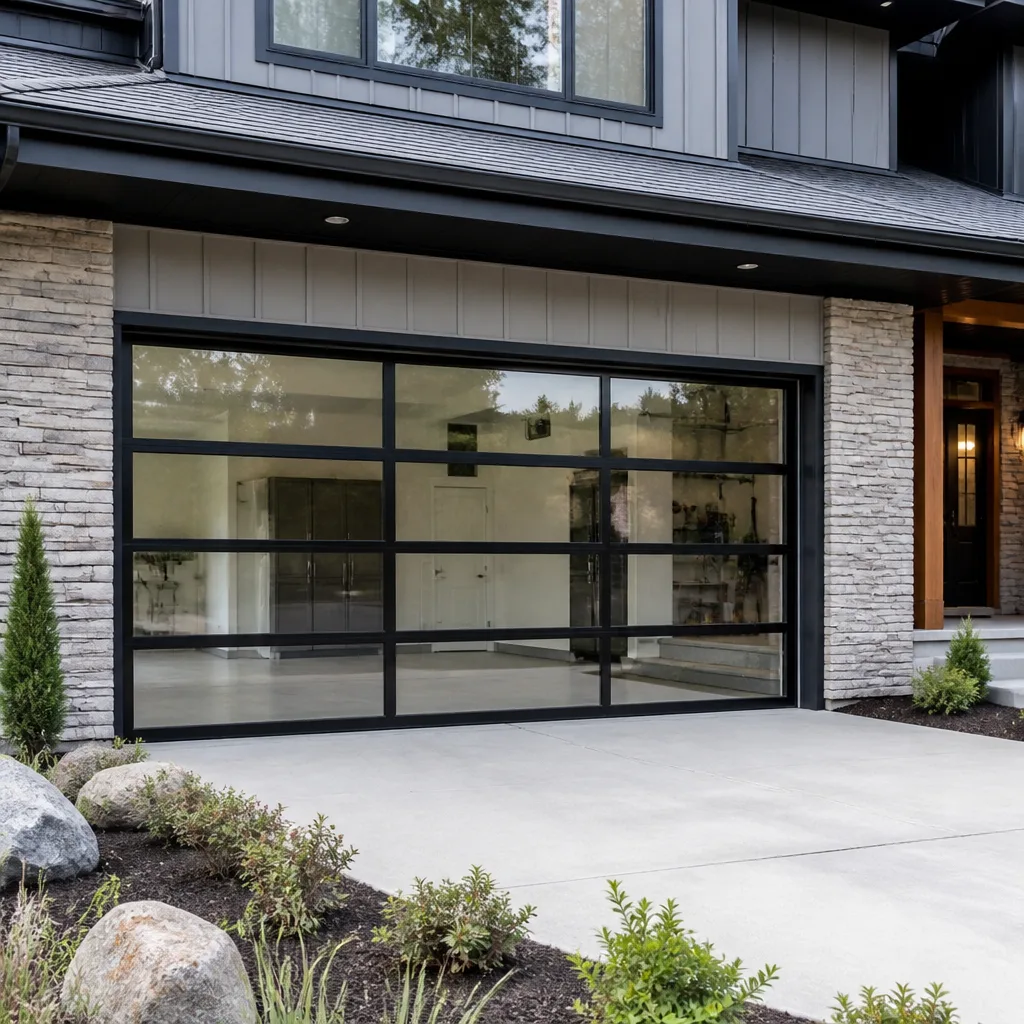 Full-view glass
 LiftMaster openers
 Chamberlain openers
Full 25-point door and opener safety check with every visit - springs, cables, rollers, tracks, and your LiftMaster or Chamberlain opener included
You get a price before we start. It does not change when the pro arrives.
Get your free estimateSeasonal Garage Door Care for Cambridge: Year-Round Homeowner’s Guide
Most homeowners treat a garage door as one thing that either works or doesn’t. In Cambridge it’s really four different machines across the year. The same door that glides easily in October can fight you in February and then scrape its track in July, and none of those problems come from the door being “old.” They come from what the season is doing to metal, grease, rubber, wood and concrete. This guide breaks the year into four technical briefs, one per season, so you know what to check and when. You’ll finish with a Cambridge-specific calendar you can actually follow.
Quick Answer
Cambridge garage doors need different care in each season: a pre-freeze service in fall (seals, lubrication, balance, weatherstripping), careful handling of a frozen bottom seal in winter, a post-winter alignment and threshold check in spring, and humidity-aware adjustment of wood panels and track clearance in summer. Timing the work to the season prevents most of the failures that bring people to a repair call, and a professional tune-up before the first freeze and after the last thaw covers the two highest-risk windows.
Styles & brands we work with
- Raised-panel steel
- Carriage house
- Modern flush
- Full-view glass
- LiftMaster openers
- Chamberlain openers
Table of Contents
- Fall: What Has to Happen Before the First Freeze
- Winter: How to Handle a Frozen Door Without Bending It
- Spring: Post-Winter Inspection Priorities
- Summer: Humidity, Wood Panels, and Track Clearance
- The Cambridge Seasonal Calendar
- What You Can Check Safely (and What You Can’t)
- When to Call a Professional
Fall: What Has to Happen Before the First Freeze
Fall is the one season where a small amount of work prevents a large amount of trouble. The goal is to get the door to a state where cold weather has nothing left to break. Everything on the list below should be done before the first hard freeze, and in Cambridge that window closes faster than most people expect.
Start with the bottom seal. The rubber or vinyl strip along the bottom of the door is the first thing cold attacks. It hardens, cracks, and loses its ability to conform to the concrete. A seal that’s already worn in September will be a drafty, sticking, sometimes torn mess by January. Replacing it in fall is straightforward. Replacing it in the middle of a cold snap is more involved because the material is stiff and the door is harder to work on. If your seal is cracked, compressed flat, or peeling from the retainer, get it replaced before the cold sets in.
Lubrication is the next priority, and the type of lubricant matters. A light, cold-rated garage door lubricant on the hinges, rollers, and springs keeps moving parts from binding when temperatures drop. Heavy grease thickens in the cold and can turn a smooth door into a sluggish one. This is one of the specific reasons doors get harder to move in February – the lubricant itself is working against the door.
Balance and hardware checks close out the fall list:
- Disconnect the opener and lift the door by hand to about halfway. It should stay in place with little effort. If it drops or rises on its own, the springs are out of balance.
- Look at the hinges and rollers for wear, loose screws, or bent hardware, and tighten what’s loose.
- Check the weatherstripping along the sides and top for gaps that will let cold air and moisture in.
- Test the opener’s safety reverse – place a small object in the door’s path and confirm the door reverses on contact.
- Run the door up and down a few times and listen for grinding, popping, or uneven travel.
If the door is out of balance or the springs look worn, that’s the point to stop and call a specialist. Spring work involves stored tension that can release violently, and it’s not a job to improvise. Getting a tune-up done before the first freeze is also the cleanest way to catch a problem while it’s still a small adjustment. Our garage door repair team can handle the fall service in a single visit.
Winter: How to Handle a Frozen Door Without Bending It
A door that won’t open on a cold morning is usually frozen at the bottom seal, not broken. The seal can bond to the concrete overnight when moisture freezes, and the opener will strain against that bond. How you respond in the first few minutes decides whether you have a simple thaw or a bent bottom panel and a damaged opener.
If the door won’t move, don’t keep pressing the opener button. The opener will keep pushing against a resistance it can’t overcome, and the bottom section is the part that suffers. Here’s the safe way to handle it:
- Stop operating the opener. Disconnect it if you can do so safely, so you’re not fighting the motor.
- Look along the bottom of the door for ice bonding the seal to the concrete. That’s usually visible as a clear line or a frost pattern right at the floor.
- Loosen the bond gently. Warm water along the seal, or a rubber mallet tapped lightly on the bottom section, is enough to break the ice without forcing the door. Never use a metal tool to pry at the seal or the panel.
- Lift the door by hand once the bond is loose. If it moves freely, re-engage the opener and cycle it once to confirm smooth travel.
- Clear snow and ice away from the threshold so it doesn’t re-freeze in the same spot.
The important rule: if the door still won’t move freely by hand after the ice is cleared, stop. Forcing it can bend the bottom panel, snap a hinge, or damage the opener’s gear and rail. A door that moves by hand but not with the opener points to an opener problem, and a door that won’t move at all points to springs, track, or a jammed roller. Either way, call before you force anything.
Winter is also when the door is worked hardest – short days, more opening and closing, more ice at the threshold. If your opener is a LiftMaster or Chamberlain unit, this is the season when a failing safety sensor or a straining motor becomes obvious. We handle that kind of diagnosis through our garage door opener repair service, and it’s better to sort it in winter than wait for it to fail completely.
Spring: Post-Winter Inspection Priorities
Spring is inspection season, not because the door suddenly breaks but because the ground underneath it has been moving all winter. Frost heave is the reason. When the soil under a driveway or apron freezes and thaws, it lifts and settles, and the concrete at the threshold goes with it. A garage floor that was level in October can be slightly raised or dropped by March, and the door’s bottom no longer sits where it did.
What frost heave does to the door is subtle at first. The bottom seal stops making contact on one side, so you get a draft and a gap. The door begins to close unevenly, one corner hitting before the other. Left alone, that uneven contact wears the seal, strains the opener, and can loosen the track over time. A post-winter inspection catches this before it becomes a repair.
Here’s what to check after the last thaw:
- Bottom seal contact: close the door and look for daylight under the seal from inside. Gaps at one corner point to a threshold that’s shifted.
- Track alignment: look down the length of each vertical track. A bend or a section that’s out of plumb will make the door drag. Frost heave at the floor can push the bottom of the track out of alignment.
- Balance: repeat the hand-lift test from the fall list. A door that balanced in October but not in April has a spring problem.
- Hardware: check hinges, rollers, and bolts for winter wear, rust, or looseness.
- Opener travel and force: confirm the door opens fully and closes evenly with the opener, and that the safety reverse still works.
If the threshold has shifted enough that the door won’t seal properly, the fix is sometimes as simple as adjusting the bottom seal or the door’s travel. Sometimes it needs a track adjustment. A technician can tell the difference quickly – this is where brand familiarity saves time, because a technician who already knows how a Raynor or Genie system is built skips the guesswork. If you’re in one of Cambridge’s older neighborhoods where driveways and garage floors have had decades to settle, spring is the season to look closely.
Summer: Humidity, Wood Panels, and Track Clearance
Summer brings the opposite problem from winter. Heat and humidity expand things – wood door panels swell, metal tracks grow slightly, and clearances that were fine in April get tight by August. A door that rubs or scrapes in July is usually a door whose tolerances have closed up in the heat.
Wood and wood-composite doors are the most sensitive. Humidity causes panels to swell, and the swelling can push against the frame or bind at the hinges. The door might start to stick at the top of its travel, or a panel might rub the weatherstripping along the side. This isn’t a structural failure – it’s the door responding to moisture in the air. A technician adjusts the hardware or the track to restore clearance, and the door usually frees up as the weather dries. For doors with visible wood, keeping the finish in good condition helps slow moisture absorption, but no finish fully stops seasonal movement.
Metal tracks expand with heat as well, and a track that was properly aligned in spring can develop a slight bow in a heat wave. That’s enough to make rollers drag. The symptoms are a door that moves more slowly, a scraping sound near a particular height, or a door that stops short of fully opening. If you notice any of these in summer, it’s worth having the track checked rather than living with the drag – a dragging door wears rollers and strains the opener faster than one that runs clean.
Summer is also when opener connectivity problems show up. Smart openers from Genie and Chamberlain rely on Wi-Fi, and heat, power fluctuations, or router changes can knock them offline. If your opener app stopped responding but the door still works from the wall button, that’s a connectivity issue rather than a mechanical failure, and it usually isn’t a reason to replace the opener.
The Cambridge Seasonal Calendar
Here’s the year mapped to actions. The months are approximate – Cambridge weather varies year to year – but the order is the part that matters. Each task belongs to a season for a reason, and doing it in the wrong season is less effective or, in the case of seal replacement, genuinely harder.
- September-October: Replace a worn bottom seal. Lubricate hinges, rollers, and springs with a cold-rated product. Check balance and hardware. Inspect weatherstripping. Test the safety reverse.
- November: Clear the threshold and driveway apron of debris before the first freeze. Confirm the door closes fully and seals against the floor.
- December-February: Keep the threshold clear of ice. If the door freezes, thaw gently and never force it. Watch for opener strain and call if the door won’t move by hand.
- March-April: Post-winter inspection. Check bottom seal contact for gaps from frost heave. Look for track misalignment. Re-test balance. Check for rust and loose hardware.
- May-June: Adjust for humidity. Watch wood panels for swelling and binding. Check track clearance as temperatures rise.
- July-August: Watch for dragging, scraping, or short travel in heat waves. Check smart opener connectivity if the app stops responding.
Two service visits cover the year for most doors: one in fall before the freeze, one in spring after the thaw. Everything else is a quick visual check you can do yourself. If you’d rather have the whole calendar handled in two visits, that’s what a seasonal tune-up is for.
What You Can Check Safely (and What You Can’t)
Some of this guide is DIY-friendly, and some of it isn’t. Being clear about the line protects you. Visual checks, lubrication, tightening a loose hinge screw, and clearing ice from the threshold are all reasonable for a homeowner. Anything involving the springs, cables, or the opener’s internal mechanism is not.
Garage door springs and cables hold enormous tension. When a spring fails or a cable slips, the release is sudden and can cause serious injury. Never try to adjust, remove, or replace a spring or cable yourself, and never try to “help” a door that’s stuck by pulling on the cables. The same goes for the opener’s internal gears and the track’s anchoring hardware – a track that comes loose under load is dangerous. If a spring looks stretched, the door is out of balance, or a cable looks frayed, stop using the door and call a trained technician.
Electrical work inside an opener or at the wall outlet is also a job for someone qualified. If you’re not sure whether a problem is mechanical or electrical, that’s fine – describe what the door does and let a technician diagnose it. Our technicians have up to 15 years of experience, and the diagnosis is the part where that experience matters most.
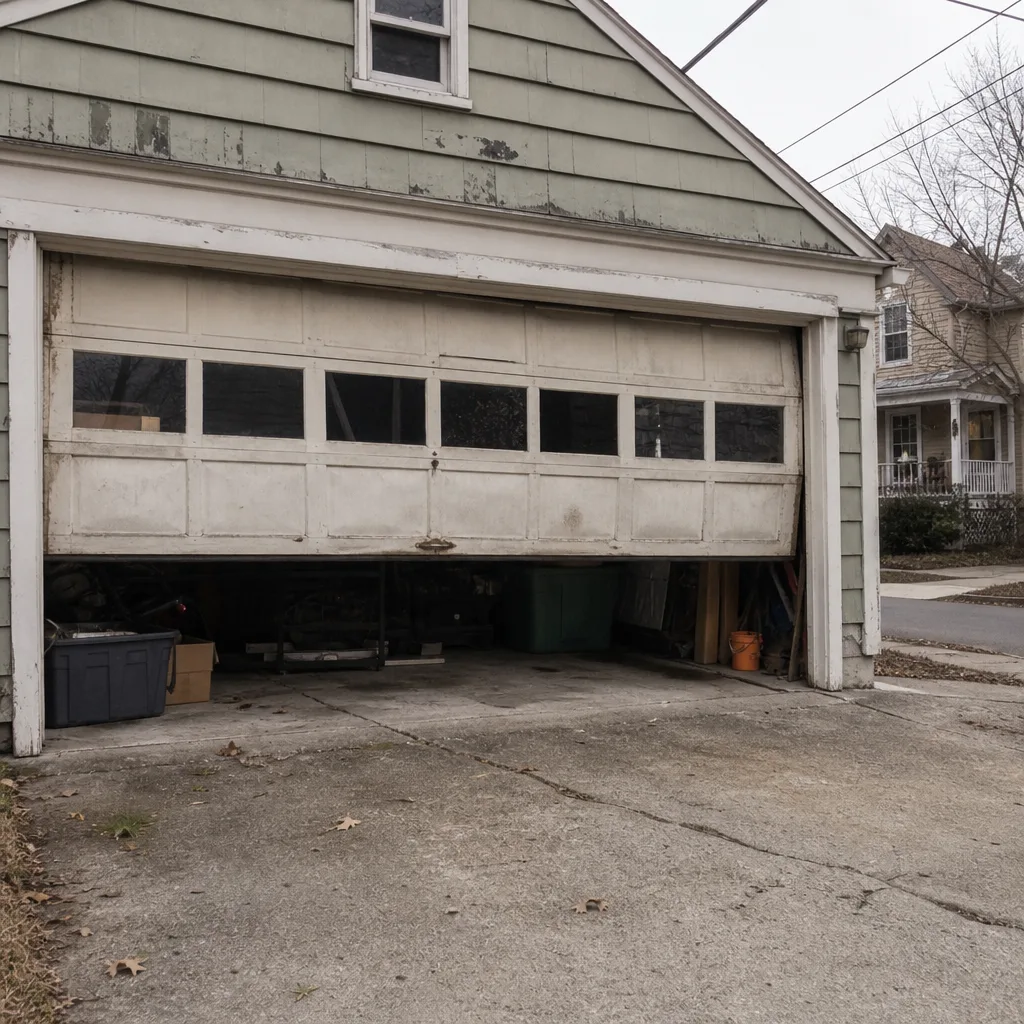
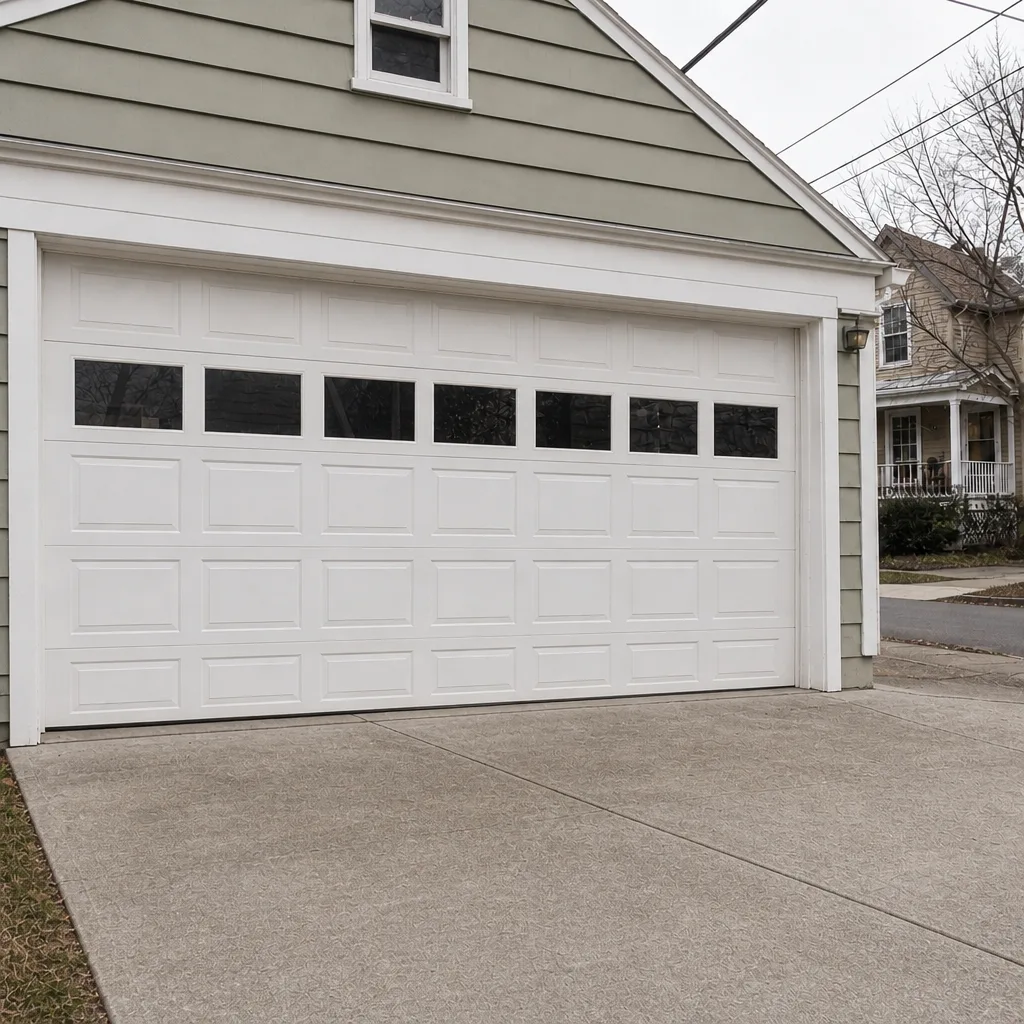
See the difference
 Before
 After
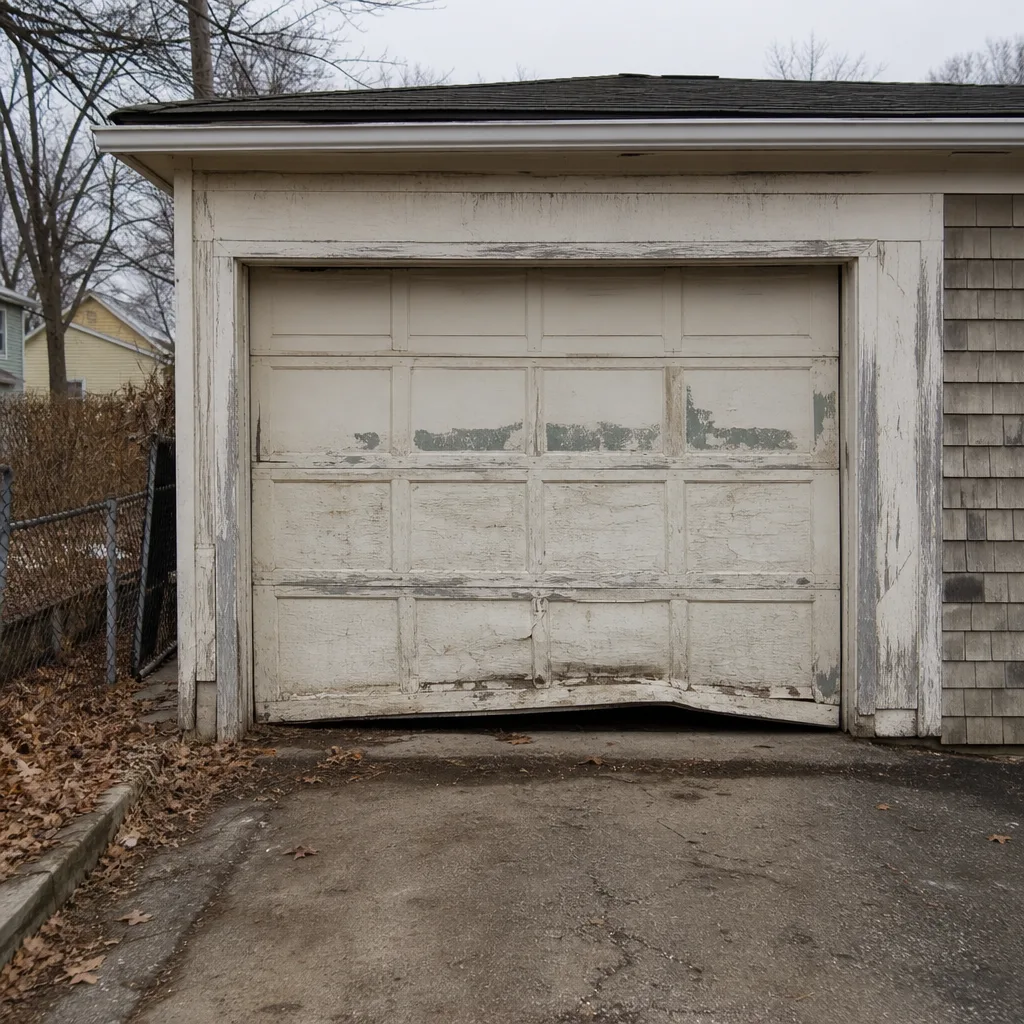 Before
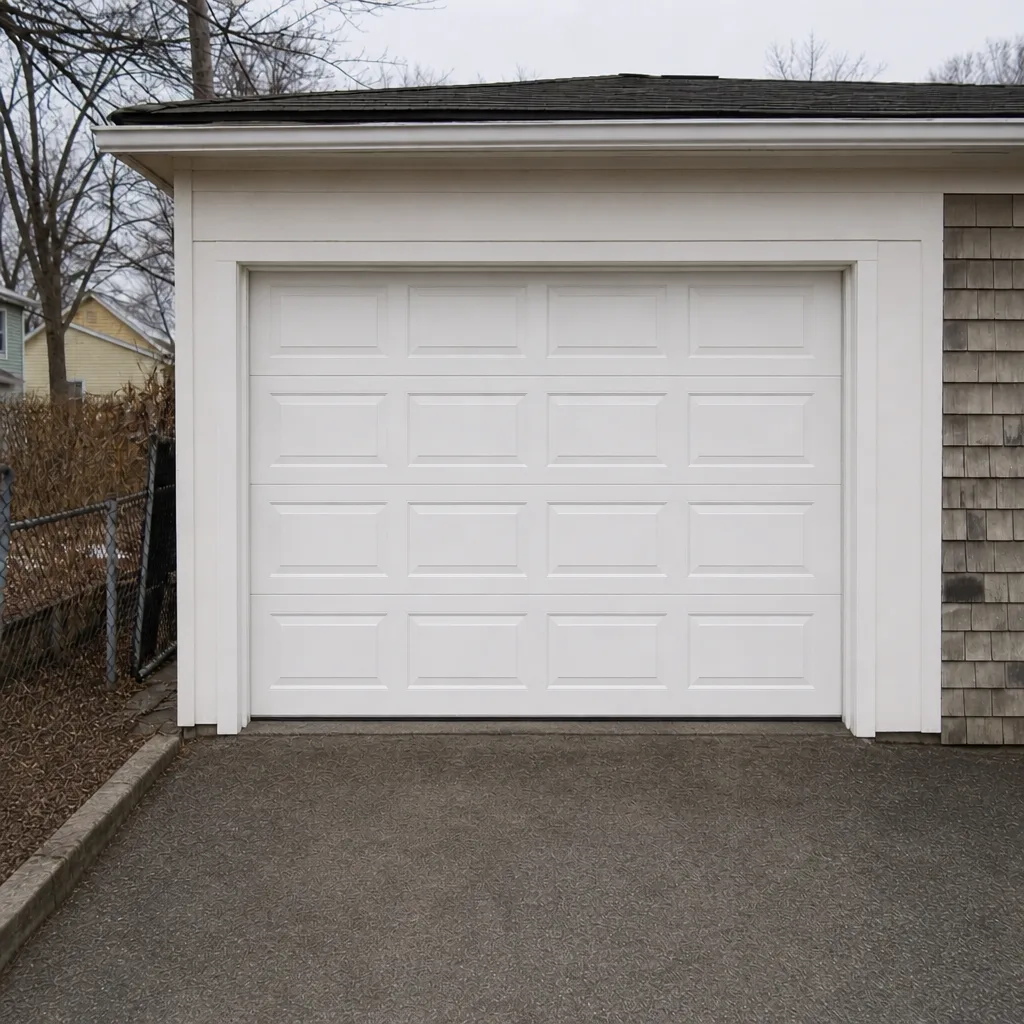 After
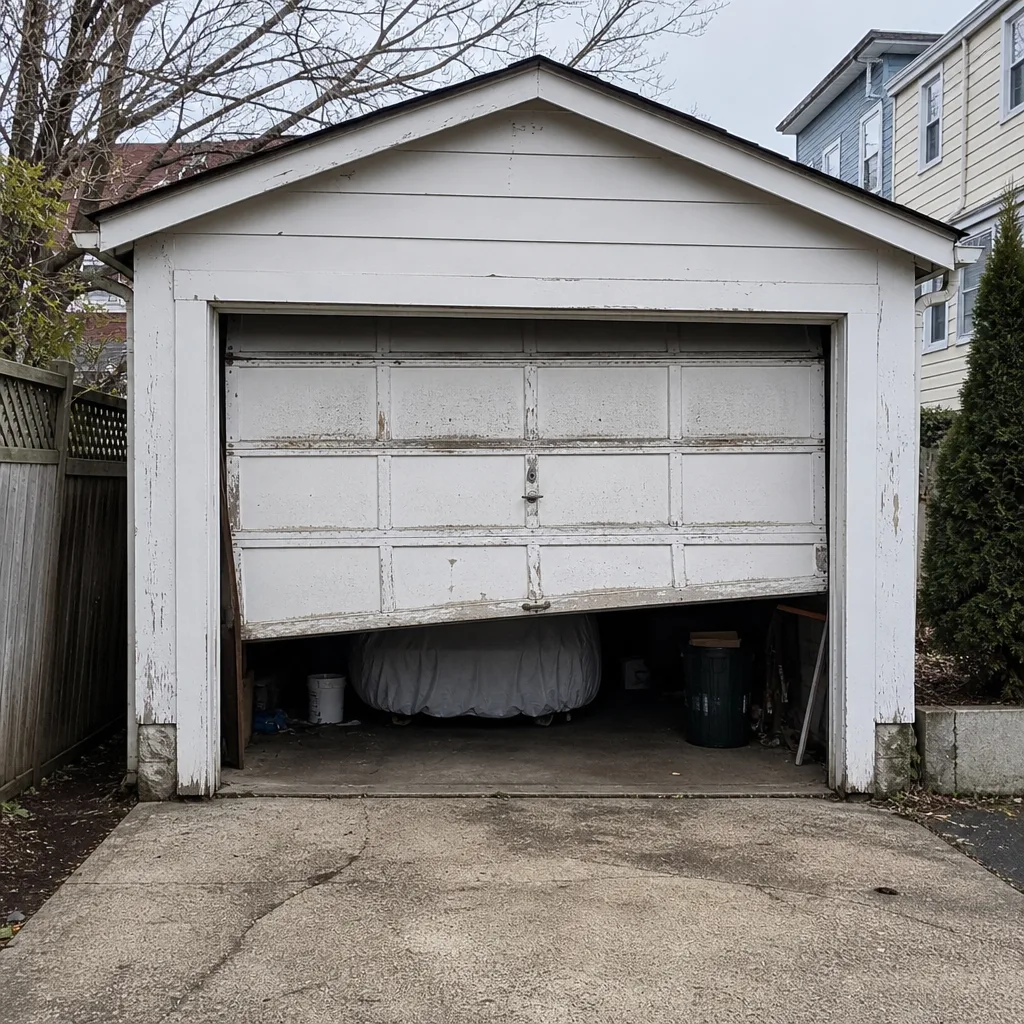 Before
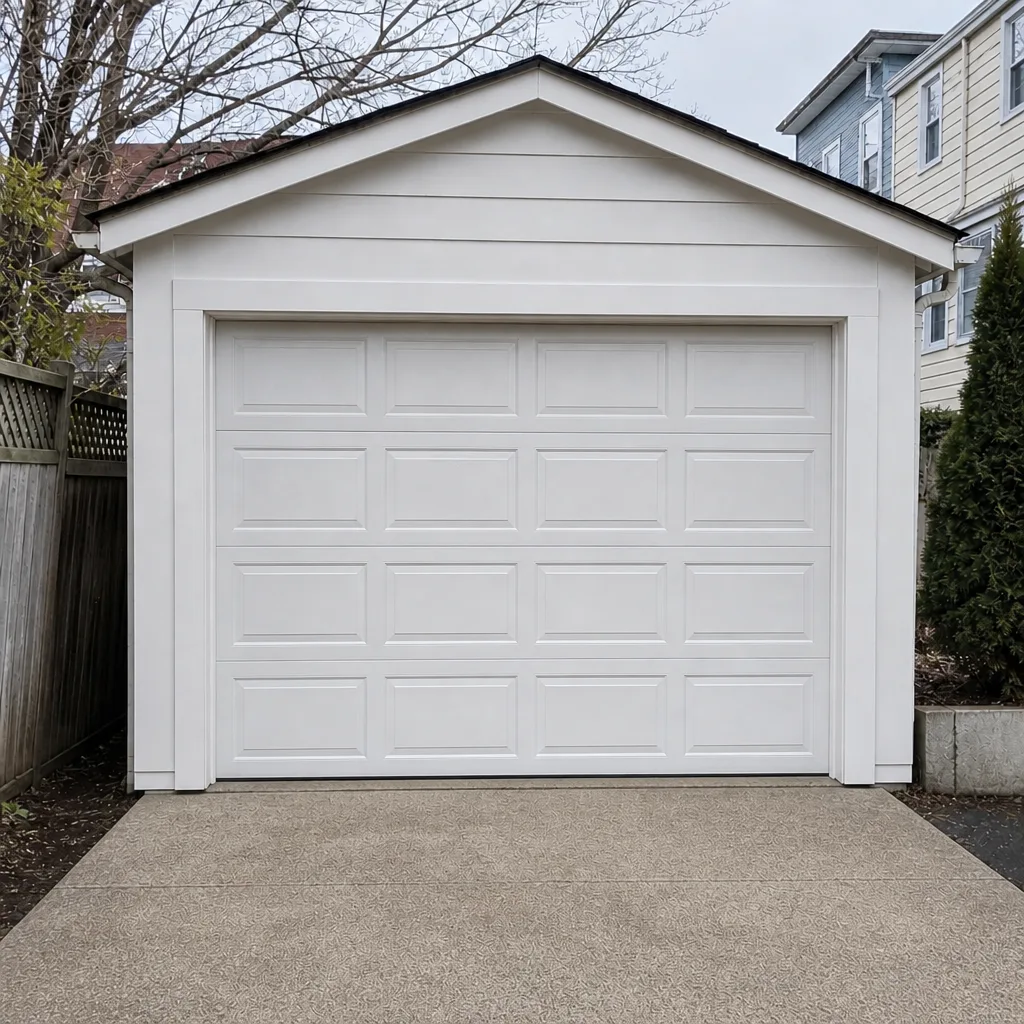 After
Common Mistakes to Avoid
- Waiting until January to replace a worn bottom seal. The material is stiff and the door is harder to work on in the cold. Replace it in fall while it’s still flexible.
- Using heavy grease on the tracks and springs. Heavy grease thickens in cold weather and can make the door harder to move. Use a light, cold-rated lubricant designed for garage doors.
- Forcing a frozen door with the opener. Pressing the button repeatedly on a frozen door strains the opener and can bend the bottom panel. Thaw gently or call.
- Ignoring a gap under the seal after winter. A gap on one side after the thaw usually means the threshold has shifted. Left alone, it wears the seal and strains the opener.
- Assuming summer sticking means the door needs replacing. Humid-weather swelling and heat-expanded tracks are adjustments, not replacement. Have the clearance checked first.
- Trying to fix a balance problem by adjusting the springs. Springs are under high tension. A door that won’t balance needs a technician, not a homeowner with a wrench.
- Skipping the safety reverse test. It’s a two-minute check that confirms the opener will stop and reverse if something is in the door’s path. Test it at every seasonal check.
When to Call a Professional
Call a specialist when the door is out of balance, when a spring or cable looks worn or damaged, when the door won’t move by hand after ice is cleared, or when the opener strains, reverses unexpectedly, or stops responding. Also call if a summer sticking problem doesn’t clear as the weather dries, or if the door won’t seal after the spring thaw. Those are the situations where a diagnosis saves money – the right fix is usually an adjustment, not a replacement, and a specialist can tell the difference. Ashford Garage Door Repair offers free estimates in Cambridge – call (866) 361-7938 to book one. We answer 24/7. Fast dispatch from 7am to 7pm, Sunday through Friday. A call outside dispatch hours is booked into the next opening.
Frequently Asked Questions
Twice a year covers most doors: once in fall before the first freeze and once in spring after the last thaw. Those two visits catch the seasonal problems – seal wear, balance, track alignment, and threshold shifts – before they turn into repairs. A quick visual check between visits handles everything else.
Yes, a bottom seal is one of the few garage door parts a homeowner can replace. The seal slides out of its retainer and a new one slides in. If the retainer itself is damaged or the door won’t seal evenly after replacement, that’s the point to call – the threshold or the door’s travel may need adjustment.
Heat and humidity expand wood panels and metal tracks, closing the clearances that were fine in spring. The door binds or rubs because the tolerances have tightened. It’s usually an adjustment rather than a failure, and the door frees up as the weather dries if the hardware is set correctly.
Check the bottom seal for ice bonding it to the concrete before doing anything else. Thaw the bond gently with warm water or a light tap, then lift the door by hand to confirm it moves freely. If it still won’t move, stop and call – forcing it can bend the panel or damage the opener.
Yes. When the ground under the driveway freezes and thaws, the concrete at the threshold lifts and settles with it. The door’s bottom no longer meets the floor evenly, which causes gaps, uneven closing, and track misalignment. A spring inspection catches it before it wears the seal or strains the opener.
Our technicians are experienced professionals who work on garage doors as a single trade, not as one job among many. Our technicians have up to 15 years of experience. If you have a question about a specific repair, call (866) 361-7938 for a free estimate.
The Bottom Line
Cambridge’s seasons put four different kinds of stress on a garage door, and each one has a predictable failure mode. Fall is for preparation – seals, lubrication, balance. Winter is for patience – thaw a frozen seal, never force it. Spring is for inspection – frost heave moves the threshold and the door needs to be re-checked. Summer is for adjustment – humidity closes clearances and heat bows tracks. Two professional visits a year, in fall and spring, cover the highest-risk windows, and the rest is a few minutes of checking. If something looks off, call a specialist before it becomes a bigger repair.
Call (866) 361-7938 for a free estimate in Cambridge. We answer 24/7. Fast dispatch from 7am to 7pm, Sunday through Friday. Our team at Ashford Garage Door Repair handles repair, opener repair, and installation across the brands already in your garage, including LiftMaster, Chamberlain, Genie, and Raynor. If you’re nearby in Cambridge and want the seasonal service done right, we’re one call away.
Written by the team at Ashford Garage Door Repair.